Longevity – live long and age healthily
What’s the point of a long life if quality of life suffers? What truly matters is not just how long we live, but how good we feel. This is precisely where longevity comes in: the concept combines the latest scientific insights with well-founded approaches to maintain health, performance, and quality of life into old age.
This guide will explain what longevity means according to the definition, which biological processes influence the aging process, and how you can actively extend your healthy lifespan with concrete measures.
Definition: What Does Longevity Mean?
The term “longevity” comes from English and translates to “long life” in German. However, according to the definition of longevity, it is not only about the maximum lifespan, but more importantly about the quality of those years – in other words, the healthy lifespan (healthspan). The core idea of longevity is therefore not just to extend life, but to remain physically and mentally healthy throughout it.
Key Mechanisms of Longevity: 12 Hallmarks of Aging
Aging is not a uniform process but the result of many changes at the cellular level. The goal of longevity research is to better understand the biological processes of aging—and to discover how they can be positively influenced. In recent years, scientists have identified numerous mechanisms associated with aging. The 12 hallmarks of aging are:
1. Genomic Instability
The genome is a cell’s genetic material—that is, the totality of all DNA information that controls the body’s structure and function. Over time, DNA damage—caused by environmental toxins or oxidative stress, for example—can accumulate.
Normally, the body has effective repair mechanisms to fix such damage. However, with age, genomic instability increases. This means: repair processes become more error-prone, and DNA damage occurs more frequently. As a result, the risk of cellular malfunction and disease increases.
2. Telomere Shortening
Telomeres are the protective caps at the ends of chromosomes—the carriers of genetic information (DNA). You can think of telomeres like the plastic tips on shoelaces that prevent fraying.
With each cell division, telomeres shorten—a natural marker of aging. However, short telomeres are associated with reduced cell division capacity and increased disease susceptibility. Therefore, a goal of longevity research is to find ways to lengthen telomeres or slow their shortening.
3. Epigenetic Alterations
Epigenetics controls which genes are active without changing the DNA itself. This requires chemical markings (such as DNA methylation), which can switch genes on or off. These epigenetic patterns can be altered by factors like diet, stress, and environmental toxins. This in turn influences how cells function, regenerate, and respond to stimuli—and ultimately how slowly we age.
As we age, epigenetic control often deteriorates. This can impair cell function, promote inflammatory processes, and accelerate aging—regardless of biological age.
4. Loss of Proteostasis
Proteins perform essential functions in the body: they act as enzymes, messengers, transport molecules, or structural components. To fulfill these roles, they must be properly folded.
As we age, the cells’ ability to detect and eliminate misfolded or damaged proteins declines. This leads to the accumulation of misfolded proteins, as seen in neurodegenerative diseases like Alzheimer’s.
5. Deregulated Cellular Signaling
Biochemical signaling pathways—such as insulin/IGF-1, mTOR, or AMPK—regulate how cells utilize nutrients and produce energy. In old age, this balance is often disrupted, which can accelerate the aging process.
6. Mitochondrial Dysfunction
Mitochondria, known as the powerhouses of the cell, are essential for energy supply. As we age, their efficiency declines—meaning mitochondria produce less energy. They also generate more free radicals, which can damage mitochondrial structures. Functional mitochondria are critical for longevity and health.
7. Cellular Senescence
Cellular senescence refers to a state in which cells lose the ability to divide but remain active. Instead of regenerating, they release pro-inflammatory signals that can damage surrounding tissue. These senescent cells accumulate with age and are considered a driver of many aging processes.
8. Stem Cell Exhaustion
Stem cells are responsible for regeneration and repair. They ensure damaged tissues are renewed and cells are replenished—for example, in the immune system, muscles, and organs. With age, stem cell activity declines. The result: repair processes slow down, and tissue regeneration capacity diminishes.
9. Chronic Inflammation (Inflammaging)
As we age, the immune system tends toward a chronically increased inflammatory state—even without an acute trigger. This phenomenon is called inflammaging. Today, inflammaging is considered a key factor in the development of many age-related diseases—including cardiovascular diseases, neurodegenerative disorders, and diabetes.
10. Altered Cell Communication
With age, communication between cells changes: signal transmission becomes less precise, partly due to chronic inflammation (inflammaging). This can disrupt vital regulatory mechanisms, such as hormonal balance or immune responses, further accelerating tissue aging.
11. Dysbiosis of the Microbiome
The balance of gut flora changes with age—often at the expense of bacterial diversity. This can impact key processes such as immune function, metabolic regulation, and even brain function.
12. Impaired Macroautophagy
Autophagy is a vital self-cleaning process of the cell. Damaged cellular components and misfolded proteins are broken down into their building blocks and recycled. As we age, the efficiency of autophagy declines: waste products accumulate, cellular function is impaired, and the risk of chronic disease increases.
What Can You Do for Longevity? 8 Tips for Healthy Aging
Many aging processes can be actively influenced. The following tips for healthy aging can help extend your healthspan—that is, the number of years you live in good health:
- Regular physical activity: Exercise supports nearly all longevity mechanisms. It boosts cellular metabolism, strengthens mitochondria, activates autophagy, and counteracts inflammation.
- Balanced, plant-based nutrition: A diet rich in vegetables, legumes, healthy fats, and high-quality proteins provides essential micronutrients, antioxidants, and phytochemicals. In contrast, sugar and highly processed foods should be reduced to minimize cellular stress.
- Intermittent fasting and calorie restriction: Regular fasting periods—such as intermittent fasting—activate autophagy and improve metabolic balance. Overall reduced calorie intake (without malnutrition!) is also associated with increased longevity.
- Targeted micronutrient support: Vitamins, minerals, and bioactive compounds play a key role in cellular protection, mitochondrial function, and hormonal balance. Lab-based analysis can help determine individual needs. Substances currently of interest in longevity research include alpha-ketoglutarate, pyrroloquinoline quinone (PQQ), betaine, spermidine, and quercetin.
- Restful sleep: During sleep, cells regenerate, the brain processes stimuli, and the immune system is regulated. Ideally, adults should get 7 to 8 hours of sleep per night. Sleep deprivation, on the other hand, can intensify inflammation and accelerate aging. The sleep hormone melatonin plays a key role in maintaining healthy sleep.
- Stress reduction: Chronic stress negatively affects telomeres, inflammatory processes, and hormonal balance. Conscious breaks, breathing techniques, yoga, or mindfulness training help regulate the body’s stress response. Herbal adaptogens can also support stress management.
- Mental activity and learning: Mental stimulation strengthens neural networks, promotes neuroplasticity, and helps prevent cognitive decline. Reading, learning new languages, and picking up new hobbies keep the brain flexible—a key factor for healthy aging.
- Social connectedness: People with stable social relationships not only live longer but also age more healthily. In contrast, loneliness is considered a risk factor for many diseases. Community, interaction, and a sense of purpose are essential for both physical and psychological resilience.
Conclusion: Longevity – Living Longer and Healthier
According to the definition of longevity, living a long life means more than simply reaching old age—it’s primarily about staying physically and mentally healthy. Current findings from longevity research confirm: aging is not a passive process—it can be actively influenced. In this way, the healthy lifespan (healthspan) can be significantly extended.
Processes such as genomic instability, mitochondrial dysfunction, epigenetic alterations, and chronic inflammation are now recognized as hallmarks of aging. Many of these mechanisms can be specifically addressed through evidence-based lifestyle measures—such as regular physical activity, a plant-based diet, intermittent fasting, and targeted micronutrient support.
Longevity therefore represents a holistic, science-based approach aimed at preserving healthy years of life and preventing age-related diseases.
Suitable FormMed Supplements
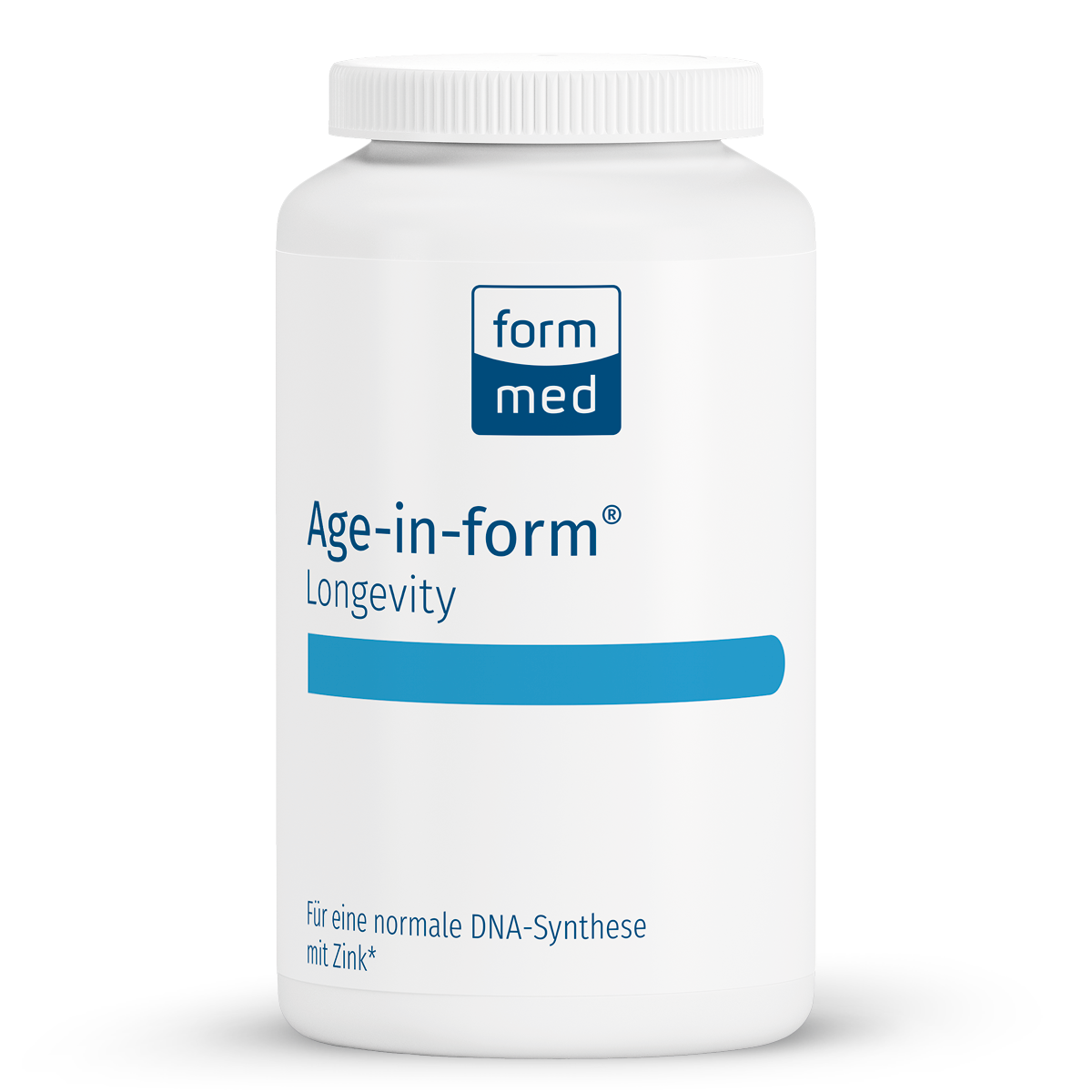
Complex of coenzyme Q10, PQQ, nicotinamide riboside, calcium α-ketoglutarate, betaine, taurine and the secondary plant substances spermidine, quercetin and resveratrol.
Ready for immediate dispatch - Delivery time approx. 1-3 days
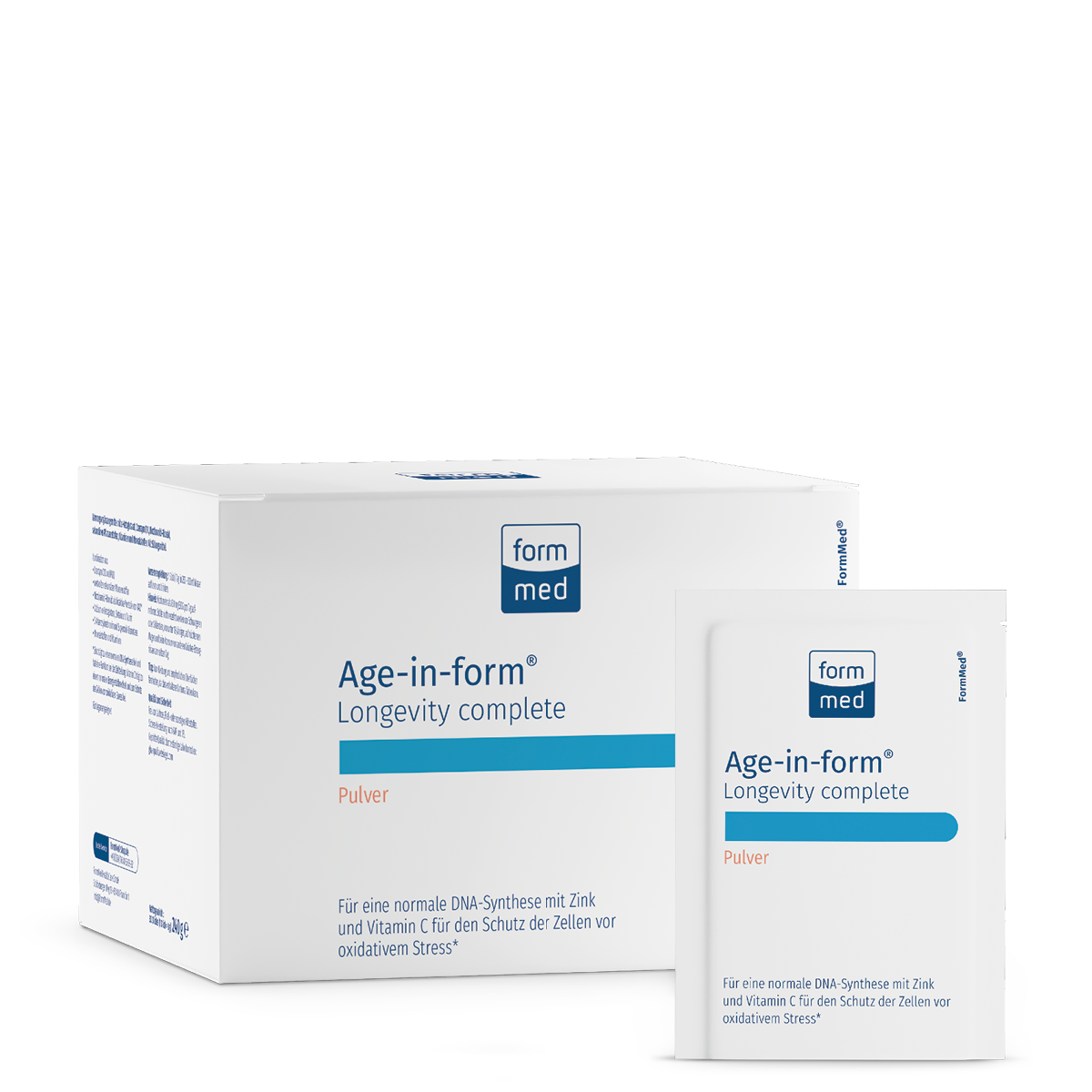
Powdered drink with α-ketoglutarate, coenzyme Q10, nicotinamide riboside, betaine, SOD, taurine, phytochemicals, vitamins and minerals.
Ready for immediate dispatch - Delivery time approx. 1-3 days
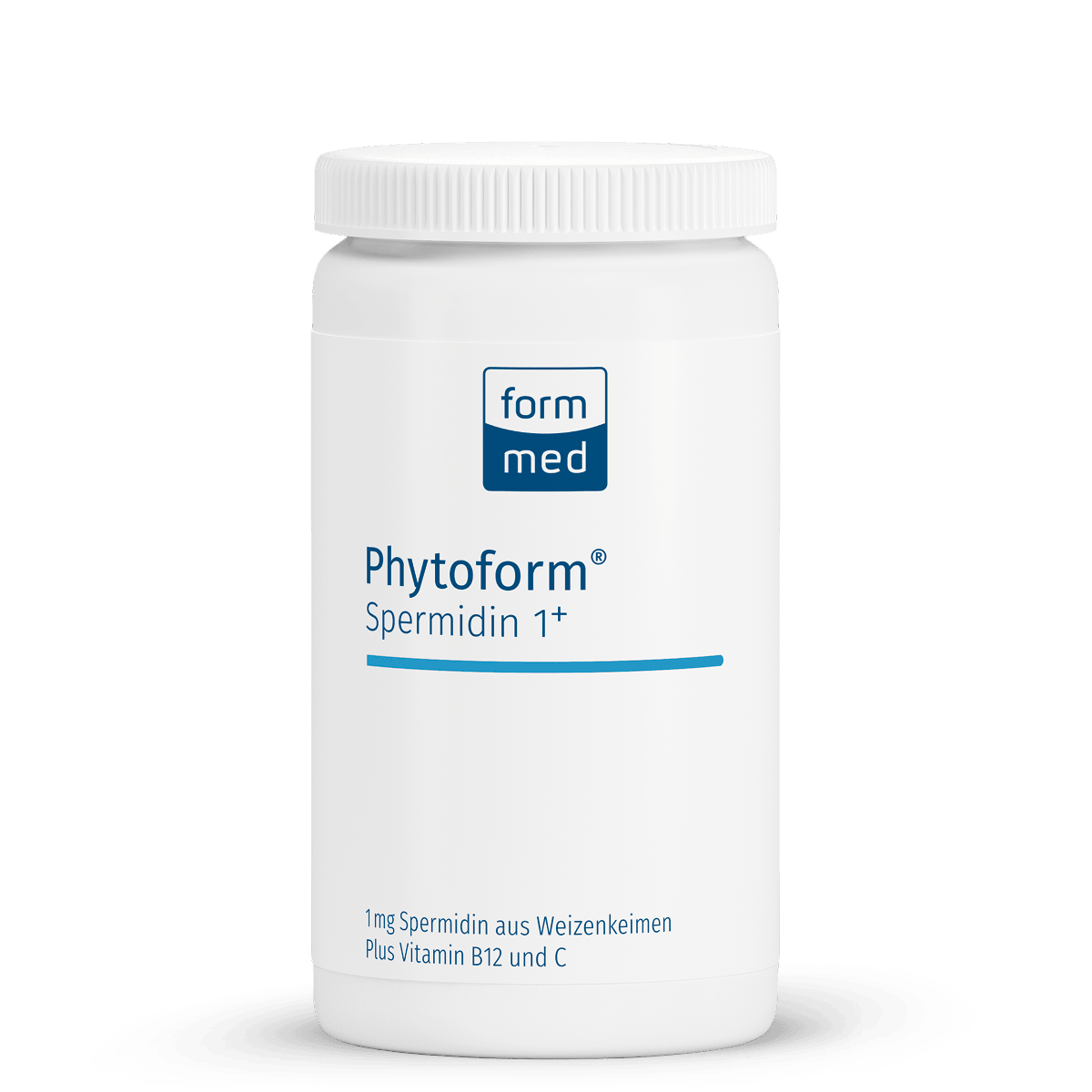
1.0 mg spermidine
Ready for immediate dispatch - Delivery time approx. 1-3 days
References
Attia, P. (2024): OUTLIVE. Wie wir länger und besser leben können, als wir denken. Ullstein Paperback. Hofer, S. J. et al. (2024): Spermidine is essential for fasting-mediated autophagy and longevity. Nat Cell Biol. 26(9):1571-1584. https://pubmed.ncbi.nlm.nih.gov/39117797/
Hu, F. B. (2023): Diet strategies for promoting healthy aging and longevity: An epidemiological perspective. J Intern Med. 295(4):508–531. https://pmc.ncbi.nlm.nih.gov/articles/PMC10939982/
Hyman, M. (2024): Young Forever: Geheimnisse eines langen und gesunden Lebens. Heel Verlag GmbH.
López-Otín, C. et al. (2023): Hallmarks of aging: An expanding universe. Cell. 186(2):243-278. https://pubmed.ncbi.nlm.nih.gov/36599349/
Martinović, A. et al. (2024): Climbing the longevity pyramid: overview of evidence-driven healthcare prevention strategies for human longevity. Front Aging. 5:1495029. https://pmc.ncbi.nlm.nih.gov/articles/PMC11628525/
Naeini, S. H. et al. (2023): Alpha-ketoglutarate as a potent regulator for lifespan and healthspan: Evidences and perspectives. Exp Gerontol. 175:112154. https://pubmed.ncbi.nlm.nih.gov/36934991/
Wang, K. et al. (2022): Epigenetic regulation of aging: implications for interventions of aging and diseases. Signal Transduct Target Ther. 7(1):374. https://pubmed.ncbi.nlm.nih.gov/36336680/
Xu, Y. et al. (2025): Functional foods and nutraceuticals with anti-aging effects: Focus on modifying the enteral microbiome. Journal of Functional Foods. 128,106786. https://www.sciencedirect.com/science/article/pii/S1756464625001288
Yan, T. et al. (2024): Pyrroloquinoline Quinone (PQQ): Its impact on human health and potential benefits: PQQ: Human health impacts and benefits. Curr Res Food Sci. 9:100889. https://pubmed.ncbi.nlm.nih.gov/39513102/