

Astaxanthin, Lutein and Zeaxanthin – good for eyes?
Table of Contents
- Importance of Carotenoids for the Eyes
- Sun protection for the eyes through lutein and zeaxanthin?
- A clear view despite screen time – can astaxanthin support the eyes?
- Targeted intake of carotenoids
- What else is good for the eyes?
- Conclusion: Astaxanthin, Lutein, and Zeaxanthin – natural companions for eye health
- Suitable FormMed Supplements
- References
The eyes accomplish remarkable work every day: they process countless light stimuli, adapt to changing distances, and enable precise vision. Good eye health is therefore closely linked to cognitive performance and overall well-being. Yet the demands are high: UV radiation, artificial light, and long hours in front of screens challenge the visual system day after day. Targeted intake of micronutrients can help maintain visual function and protect the delicate structures of the eyes.
Carotenoids play a particularly important role. The most important representatives include beta-carotene, astaxanthin, lutein, and zeaxanthin. Learn what carotenoids are, which foods contain them, and what role they play in supporting eye health.
Importance of Carotenoids for the Eyes
Carotenoids are fat-soluble plant pigments that give vegetables and fruits their bright yellow, orange, or red color.
In the plant world, they serve a protective function: they prevent plant tissues from being damaged by intense sunlight – acting like a natural shield.
Through the diet, carotenoids also enter the human body, where they can take on a similar role – particularly in the eyes.
Beta-Carotene: Precursor of Vitamin A
The best-known carotenoid is beta-carotene. It is considered particularly beneficial for the eyes because it is converted in the body into vitamin A — a vitamin that helps maintain normal vision and supports the function of mucous membranes, including the conjunctiva of the eye. It is also involved in the formation of the visual pigment rhodopsin, which is important for seeing in low-light conditions.
Foods rich in beta-carotene are primarily yellow-orange and dark green vegetables, such as carrots, pumpkin, sweet potatoes, spinach, and kale.
Lutein and Zeaxanthin: Pigments of the Macula
Lutein and zeaxanthin are not precursors of vitamin A, but they can naturally accumulate in the eye — especially in the macula, the area responsible for sharp central vision. There, they give the tissue its yellowish color and are known as macular pigments. Studies suggest that lutein and zeaxanthin from the diet make an important contribution to the body’s natural protective systems for the eyes.
Foods rich in lutein and zeaxanthin include green and yellow-orange vegetables — such as spinach, kale, broccoli, corn, parsley, egg yolk, and red bell peppers.
Astaxanthin: Plant compound with antioxidant properties
Astaxanthin is a red carotenoid produced by certain microalgae. It is responsible for the coloration of salmon, shellfish, and flamingos. These animals consume the algae and thus take up the astaxanthin they contain. For these organisms, astaxanthin has a protective effect against light and oxidative stress. What makes astaxanthin special is that it can cross cell membranes because it contains both a fat-soluble and a water-soluble component.
Foods rich in astaxanthin include salmon, trout, crabs, shrimp, and krill oil.
Sun protection for the eyes through lutein and zeaxanthin?
Sunlight boosts our well-being, but at the same time, intense light exposure creates stress for the eyes. In particular, the short-wavelength, high-energy UV and blue light components can trigger oxidative stress in the retina and damage its cells.
Lutein and zeaxanthin act in the eye like a natural light filter. They accumulate in the macula: a meta-analysis of 46 studies shows that macular pigment optical density (MPOD) – the natural protective layer in the eye – increases with higher lutein and zeaxanthin intake. A higher macular pigment density is also associated with better visual performance – including faster recovery from glare, reduced sensitivity to glare, and improved contrast perception.
These findings suggest that a balanced diet containing lutein and zeaxanthin can support the eye’s natural protective mechanisms.
A clear view despite screen time – can astaxanthin support the eyes?
Digital devices have long become part of everyday life — at work, during studies, or in our free time. However, hours of screen use can place significant strain on the eyes, as the gaze is usually fixed at a short distance. This requires constant effort from the ciliary muscle, which is responsible for focusing. At the same time, prolonged staring at screens can decrease the blink rate and destabilize the tear film. This may lead to sensations of tired, dry, or irritated eyes. In addition, the intensive use of digital devices increases oxidative stress.
In a placebo-controlled study involving 60 adults, visual acuity remained significantly more stable after intensive screen work in the astaxanthin group compared with the placebo group. The researchers attributed this to the antioxidant properties of astaxanthin and an improved adaptability of the ciliary muscle.
Another clinical study with 60 participants who reported dry eyes also showed positive results: After 30 days of astaxanthin intake, dryness symptoms, tear film stability, and the function of the Meibomian glands improved — these small glands at the edge of the eyelids produce the oily layer of the tear film, helping prevent rapid evaporation.
These findings suggest that astaxanthin may help support the eyes during frequent screen use.
Targeted intake of carotenoids
An adequate supply of carotenoids is best achieved through a healthy and varied diet. Green leafy vegetables such as spinach, kale, and broccoli, as well as yellow-orange varieties like pumpkin, corn, or bell peppers, provide high amounts of lutein and zeaxanthin. Astaxanthin is primarily found in salmon, trout, and shrimp, as these animals obtain it from microalgae. Scientific studies have examined an astaxanthin dose of up to 9 milligrams per day. In addition, daily intakes of 10 milligrams of lutein and 2 milligrams of zeaxanthin were used.
Because carotenoids are fat-soluble, the body absorbs them more efficiently when they are consumed together with some fat — for example, in combination with plant oils or nuts.
Especially when the eyes are exposed to increased strain, such as long hours of screen use or intense sunlight, high-quality micronutrient supplements can be a useful option to ensure precise dosing of astaxanthin, lutein, and zeaxanthin.
What else is good for the eyes?
In addition to a balanced diet, lifestyle and everyday habits play a crucial role in keeping the eyes healthy — especially with strong sunlight and frequent screen use.
Anyone who spends a lot of time outdoors should protect their eyes with sunglasses with UV filters. They reduce the amount of high-energy radiation, protect the sensitive structures of the eye, and relieve the retina.
Equally important are regular breaks when working at a screen: The 20-20-20 rule — every 20 minutes, look at something about 20 feet (6 meters) away for 20 seconds — relaxes the ciliary muscle and helps prevent fatigue.
Adequate hydration, comfortable indoor air quality, as well as consciously frequent blinking and short eye movements are also good for the eyes, as they help stabilize the tear film and prevent dryness.
Getting enough sleep also supports regeneration, while regular physical activity in fresh air promotes circulation and oxygen supply to the eyes.
Conclusion: Astaxanthin, Lutein, and Zeaxanthin – natural companions for eye health
Our eyes face a wide range of daily challenges — from sunlight and artificial light to long hours of screen use. Carotenoids from the diet, such as beta-carotene, lutein, zeaxanthin, and astaxanthin, can provide natural support.
Studies suggest that they help protect the sensitive structures of the eye and support normal vision.
A healthy and balanced diet rich in fruits, vegetables, and fish provides these valuable plant compounds in their natural form. For those who wish to support their eyes even more — for example, during periods of high light exposure or frequent screen work — high-quality supplements can help ensure precise dosing. Beneficial amounts include 6 to 9 milligrams of astaxanthin daily, as well as 10 milligrams of lutein and 2 milligrams of zeaxanthin.
This way, eye health can be supported in the long term — with the power of natural pigments that already function as protective compounds in the plant world.
Suitable FormMed Supplements
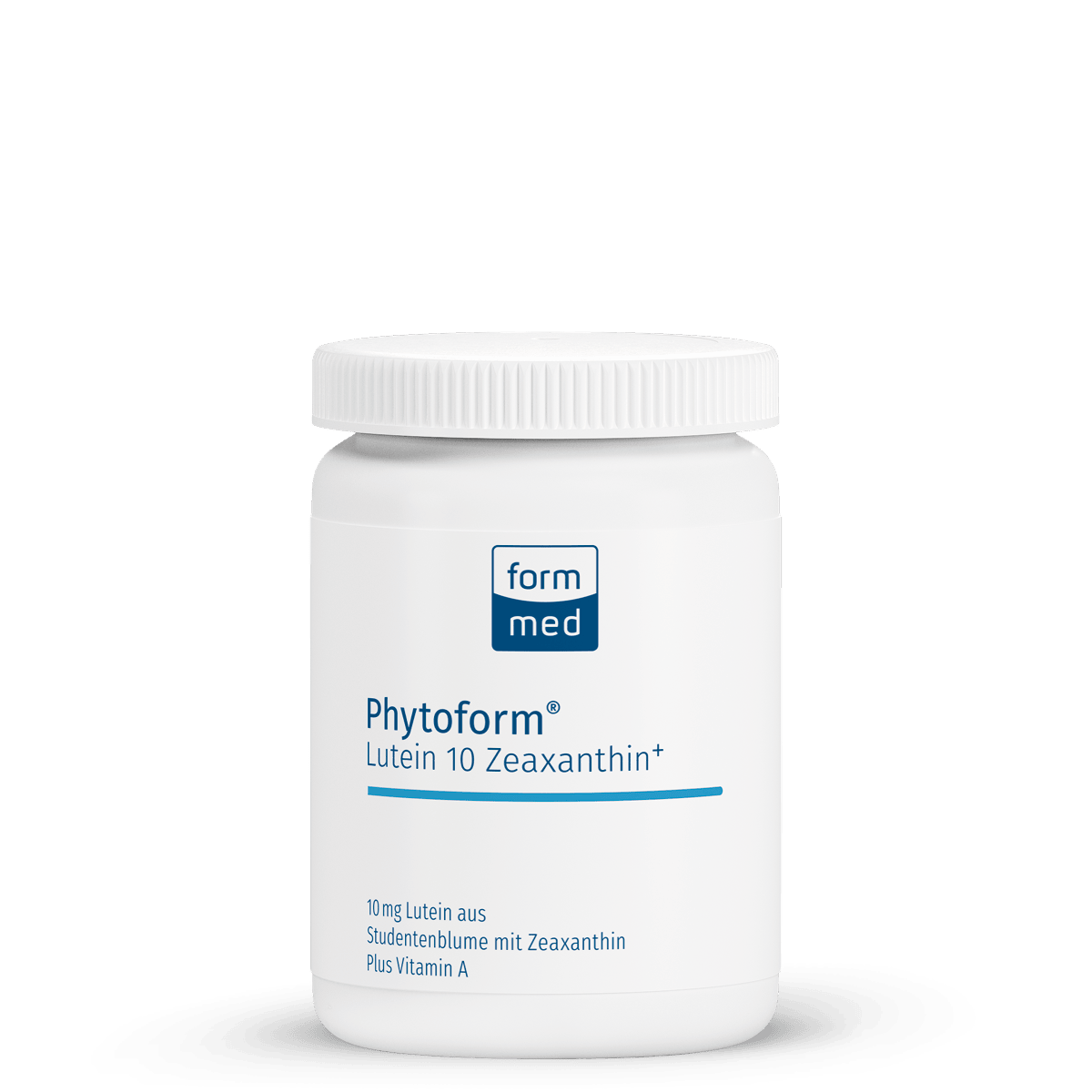
10 mg lutein with 2 mg zeaxanthin from marigold
Ready for immediate dispatch - Delivery time approx. 1-3 days
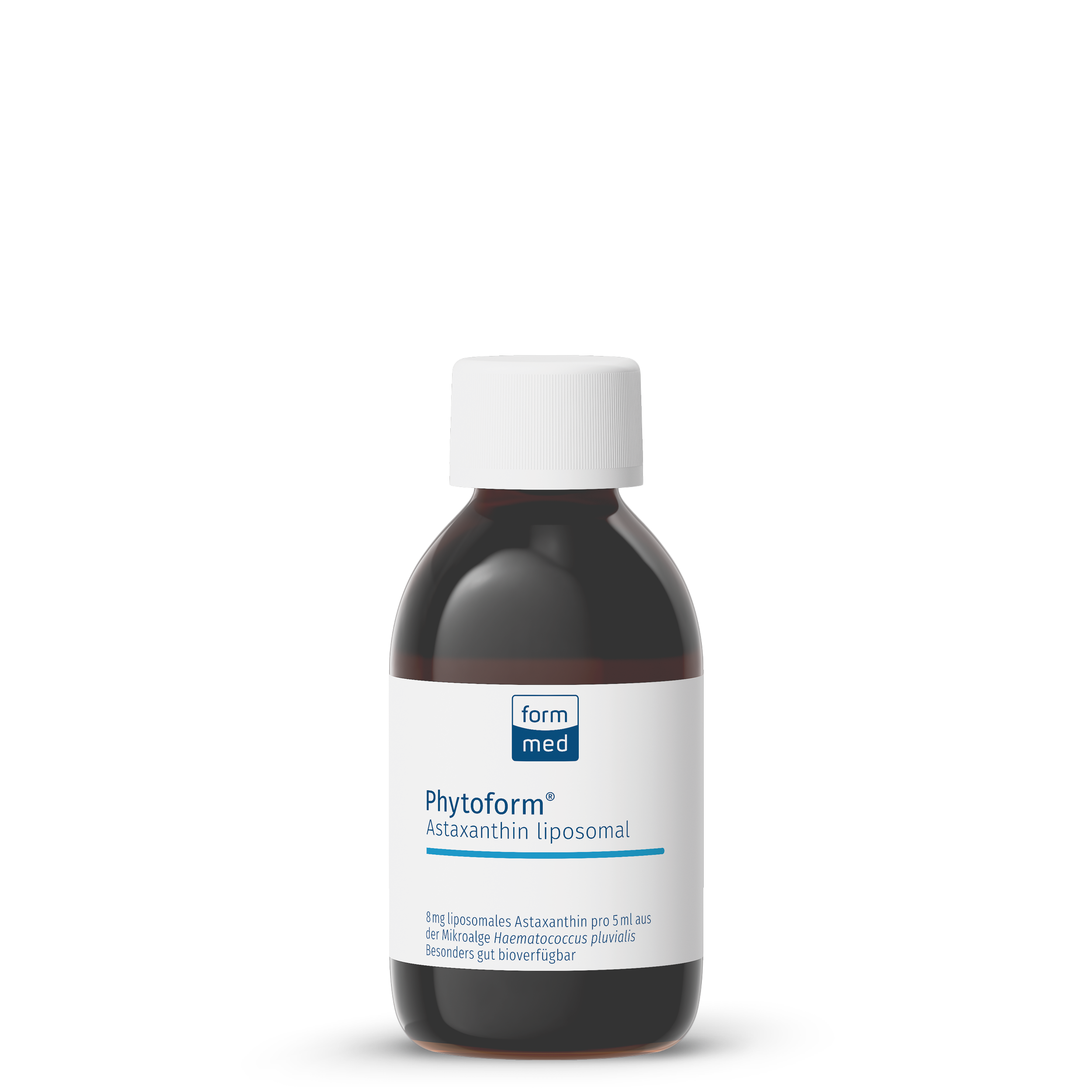
Ready for immediate dispatch - Delivery time approx. 1-3 days

Ready for immediate dispatch - Delivery time approx. 1-3 days
References
Johnson, E. J. et al. (2021): The association between macular pigment optical density and visual function outcomes: a systematic review and meta-analysis. Eye (Lond). 35(6):1620-1628. https://pubmed.ncbi.nlm.nih.gov/32792595/
Lopresti, A. L. & Smith, S. J. (2025): The effects of lutein/ zeaxanthin (Lute-gen®) on eye health, eye strain, sleep quality, and attention in high electronic screen users: a randomized, double-blind, placebo-controlled study. Front Nutr. 12:1522302. https://pubmed.ncbi.nlm.nih.gov/39963662/
Sekikawa, T. et al. (2023): Effects of diet containing astaxanthin on visual function in healthy individuals: a randomized, double-blind, placebo-controlled, parallel study. J Clin Biochem Nutr. 72(1):74-81. https://pubmed.ncbi.nlm.nih.gov/36777084/
Tian, L. et al. (2022): Benefits and Safety of Astaxanthin in the Treatment of Mild-To-Moderate Dry Eye Disease. Front Nutr. 8:796951. https://pubmed.ncbi.nlm.nih.gov/35096941/
Wilson, L. M. et al. (2021): The Effect of Lutein/Zeaxanthin Intake on Human Macular Pigment Optical Density: A Systematic Review and Meta-Analysis. Adv Nutr. 12(6):2244-2254. https://pubmed.ncbi.nlm.nih.gov/34157098/
Yoshida, K. et al. (2023): Effects of Astaxanthin, Lutein, and Zeaxanthin on Eye-Hand Coordination and Smooth-Pursuit Eye Movement after Visual Display Terminal Operation in Healthy Subjects: A Randomized, Double-Blind Placebo-Controlled Intergroup Trial. Nutrients. 15(6):1459. https://pubmed.ncbi.nlm.nih.gov/36986186/


