
Menopausal hot flashes: Naturally supporting temperature regulation
Table of Contents
- The Hormonal Rollercoaster: Why the Body Suddenly “Overheats”
- Vitamin B6 and Pantothenic Acid: Why Deficiencies Should Be Avoided During Menopause
- Phytoestrogens: Red Clover and Soy as “Plant Hormones” in the Focus of Research
- Sage: Traditionally Used for Excessive Sweating
- Identifying Triggers: What Fuels Hot Flashes
- Conclusion: Targeted support for menopausal hot flashes
- Frequently Asked Questions About Hot Flashes
- Well-supported during menopause
- Literature
The Hormonal Rollercoaster: Why the Body Suddenly “Overheats”
Hot flashes occur during menopause because the brain’s temperature regulation system gets thrown off balance. The hypothalamus is responsible for this; it is a region of the brain that controls body temperature like a thermostat, normally ensuring it remains within a narrow, stable range.
As long as there is sufficient estrogen circulating in the body, the hormone inhibits a specific group of nerve cells in this area of the brain. When estrogen levels drop during menopause, this inhibitory effect is lost. The nerve cells become overactive and falsely signal to the brain that the body is overheating. In response, blood vessels in the skin suddenly dilate—causing the characteristic flushing—and sweat glands are activated so the body can release heat through the evaporation of sweat.
This process happens automatically and cannot be suppressed at will, which many women find particularly distressing. Researchers have deciphered this mechanism in greater detail in recent years, explaining why symptoms are often especially severe during perimenopause—the phase characterized by the most intense hormonal fluctuations, typically occurring between the mid-40s and the final menstrual period.
Afterward, estrogen levels settle at a lower but more stable level. The brain adapts to this new baseline, causing hot flashes to subside for most women over time—even though the process can span several years.
How long do menopausal hot flashes last?
The duration varies greatly from woman to woman. In a large American long-term study involving over 1,400 women who experienced frequent hot flashes, researchers determined an average total duration of 7.4 years across the entire menopausal period. For a subset of women who noticed the onset of hot flashes prior to their final period, the symptoms persisted for an average of more than 11.8 years in total. Following the final period (menopause), they continued to occur for an average of another 4.5 years.
However, this does not mean that hot flashes are felt daily or with undiminished intensity throughout that entire time. For most women, frequency and intensity fluctuate over the course of the experience, with noticeable periods of relief in between. The symptoms generally subside significantly over time before eventually disappearing completely.
Vitamin B6 and Pantothenic Acid: Why Deficiencies Should Be Avoided During Menopause
During menopause, the body is challenged by hormonal changes. It is important to avoid additional deficiencies in certain micronutrients during this time so as not to place further strain on the body. Vitamin B6 and pantothenic acid play a special role in this regard, as both are directly involved in hormone metabolism.
Vitamin B6 – Important for Hormonal Activity
Vitamin B6 supports the action of hormones after they have bound to their receptors. Through this mechanism, vitamin B6 contributes to the regulation of hormonal activity.
A lack of vitamin B6 in the body can manifest in effects on the nervous system and mental well-being; possible signs of deficiency include tingling sensations in the skin, sleep disturbances, irritability, or a low mood. These symptoms resemble those triggered by the hormonal changes of menopause itself, making it difficult to distinguish between the two.
Good sources of vitamin B6 include meat, fish, whole grain products, nuts, as well as fruits and vegetables.
Pantothenic Acid – A Building Block for Hormone Metabolism
Pantothenic acid (vitamin B5) is a component of coenzyme A, a central molecule in cellular energy metabolism. Coenzyme A is also required for the production of cholesterol—the common precursor for all steroid hormones, including estrogen and progesterone.
In this way, pantothenic acid contributes to the normal metabolism of steroid hormones. Although a severe deficiency of pantothenic acid is rare—since the vitamin is found in almost all foods—supplies can nevertheless run low during periods of increased need or an unbalanced diet.Phytoestrogens: Red Clover and Soy as “Plant Hormones” in the Focus of Research
Red clover and soy contain substances that are the focus of research regarding menopausal hot flashes: isoflavones—plant compounds with a structure similar to that of the body’s own estrogen. For this reason, they are known as phytoestrogens. The best-known examples are daidzein and genistein.
For estrogen to work in the body, it must first bind to specific receptors on target cells—much like a key fitting into the right lock. Such receptors are found throughout the body: in the skin, bones, and breasts, as well as in the areas responsible for temperature regulation.
Thanks to their structural similarity, isoflavones also bind to these receptors, though they do so less strongly and with varying intensity depending on the location. Consequently, they do not produce the same effect as the body’s own hormone in every tissue: in some areas—such as those involved in temperature regulation—a mild estrogen-like effect is suggested, whereas their impact remains significantly weaker in other tissues. It is precisely this characteristic that makes isoflavones a subject of interest in research concerning hormonal balance and menopause.
Numerous randomized controlled trials and meta-analyses are investigating whether and how isoflavones affect hot flashes. A recent meta-analysis of red clover isoflavones demonstrated a statistically measurable effect on the frequency of hot flashes.
Research into soy isoflavones is increasingly focusing on other menopausal symptoms—such as headaches, heart palpitations, low mood, or vaginal dryness—whereas analyses of several studies have not shown a consistent effect specifically on hot flashes.The role of individual differences in gut flora is also being discussed: gut bacteria influence how isoflavones are converted into their active metabolites—a potential explanation for why study results vary so widely from woman to woman.
Sage: Traditionally Used for Excessive Sweating
Sage is one of Europe’s most traditional medicinal plants—its Latin name is derived from "salvare" (to heal). For centuries, sage has been used to treat excessive sweating, regardless of the underlying cause.
Its valuable plant compounds include tannins and essential oils. One possible explanation is that these compounds dampen the nerve signals that stimulate sweat glands to produce sweat—though this mechanism has not yet been conclusively proven.
Consequently, studies are investigating whether and how sage extract affects hot flashes. A double-blind, placebo-controlled study involving 100 postmenopausal women showed that taking 100 milligrams of sage extract daily for eight weeks resulted in a statistically measurable effect on hot flashes, night sweats, and scores on the Menopause Rating Scale (a questionnaire assessing general menopausal symptoms). Further, larger-scale studies may provide greater clarity on this matter in the future.
FormMed Tip – High-Quality Extracts
Depending on cultivation and processing methods, plant-based raw materials such as red clover, soy, or sage can contain varying levels of residues, such as pesticides. As part of the FormMed Q360+ Quality Promise, products containing plant-based ingredients therefore undergo additional independent laboratory testing for pesticides—going beyond statutory minimum requirements.
Meno-in-form® has successfully passed these tests for the current batch and bears the GBA quality seal.
In addition to red clover and soy isoflavones as well as sage extract, the product contains vitamin B6 and pantothenic acid, which contribute to the regulation of hormonal activity and normal steroid hormone metabolism, respectively.
Identifying Triggers: What Fuels Hot Flashes
In addition to the hormonal changes themselves, there are a number of triggers that can provoke individual hot flashes. Researchers are discussing a link between chronic stress and the frequency of hot flashes: mental tension releases the stress hormone cortisol, which can promote hot flashes. Frequent hot flashes, in turn, disrupt sleep and thereby increase overall stress levels—meaning the two factors can reinforce each other.
Other triggers that further stimulate the already overactive temperature-regulating center include:
- Caffeine: Coffee and other caffeinated beverages activate the sympathetic nervous system and briefly boost heart rate and circulation.
- Alcohol: Alcohol causes blood vessels to dilate.
- Spicy spices: Capsaicin from spices triggers a sensation of heat, which in turn sends a cooling signal to the brain.
- High-sugar foods: Significant fluctuations in blood sugar levels are linked to the frequency of hot flashes.
- Heat and restrictive clothing: Warm rooms, tight clothing, and layered bedding hinder the body's ability to dissipate heat.
Which triggers have the strongest effect varies from woman to woman.
Managing one's triggers in moderation can help reduce the frequency of individual hot flashes.Conclusion: Targeted support for menopausal hot flashes
Hot flashes occur because declining estrogen levels disrupt the brain's temperature-regulating center: it mistakenly signals overheating, thereby triggering a wave of heat and a bout of sweating.
Since the body is already under strain during this transitional phase, it is important to avoid any additional micronutrient deficiencies. Vitamin B6, in particular, plays a role in regulating hormonal activity, while pantothenic acid is involved in the metabolism of estrogen and progesterone. Furthermore, plant-based compounds are being studied in the context of menopause: isoflavones from red clover and soy are structurally similar to the body's own estrogen, and sage is traditionally used to address excessive sweating.
In addition to micronutrient intake, daily habits also play a role: avoiding triggers such as caffeine, alcohol, or heat can help alleviate individual hot flashes—especially in the evening.
Frequently Asked Questions About Hot Flashes
Hot flashes occur because declining estrogen levels during menopause disrupt the balance of the brain's temperature-regulating center, falsely triggering a signal of overheating. The body responds by rapidly dilating blood vessels in the skin and activating sweat glands to dissipate the perceived excess heat.
A hot flash typically begins with a sudden sensation of heat in the chest and head, spreading within a few seconds. This is often followed by skin flushing, heart palpitations, and sweating of varying intensity.
The wave of heat usually subsides after a few minutes, often followed by a brief shiver as the sweat evaporates from the skin and draws away heat.
Hot flashes typically occur most intensely during perimenopause. This is the transitional phase at the onset of menopause characterized by significant hormonal fluctuations, usually accompanied by an irregular menstrual cycle. It is precisely this fluctuation in estrogen levels—rather than just the decline itself—that is linked to more severe hot flashes.
After menopause—that is, following the final menstrual period—estrogen levels stabilize at a consistently lower level. As a result, symptoms subside noticeably for most women.
Nighttime hot flashes—also known as night sweats—arise through the same mechanism as those occurring during the day: the body's temperature regulation system remains active even during sleep and can still trigger a false signal of overheating.
However, during sleep, the body is less able to dissipate heat—for instance, due to bedcovers or a warm bedroom temperature. This makes nighttime hot flashes particularly uncomfortable for many women and frequently disrupts their sleep.
Yes, symptoms resembling hot flashes can occur independently of menopause. In the second half of the menstrual cycle—prior to menstruation—the drop in estrogen and progesterone levels causes similar, though usually much milder, sensations of heat in some women.
Hyperthyroidism, certain medications, and hormonal changes following the removal of the ovaries can also trigger hot flashes. If you are unsure about the cause, it is advisable to consult a doctor.
In the short term, measures that help the body dissipate heat are particularly effective: wearing several light layers of clothing that can be removed individually as needed, having a cool drink, getting some fresh air, or placing a cool towel on the back of the neck.
Slow, deep breathing can also help reduce the tension and heart palpitations that often accompany hot flashes.
Isoflavones derived from red clover and soy—which are structurally similar to the body's own estrogen—are frequently discussed as a natural aid for menopausal hot flashes. Sage extract is also traditionally used in this context to address excessive sweating.
In addition, avoiding known triggers such as caffeine, alcohol, spicy foods, and heat—particularly in the evening—plays a supportive role.
Diet can influence hot flashes in two ways: through the intake of plant-based compounds and through exposure to known triggers. A balanced diet rich in plant-based foods naturally provides isoflavones—for instance, from soy products such as tofu or edamame. Additionally, reducing the intake of known triggers—such as high-sugar foods, spicy seasonings, alcohol, and hot beverages—is advisable, particularly in the evening.
Adequate fluid intake throughout the day also supports the body's own temperature regulation.
Well-supported during menopause
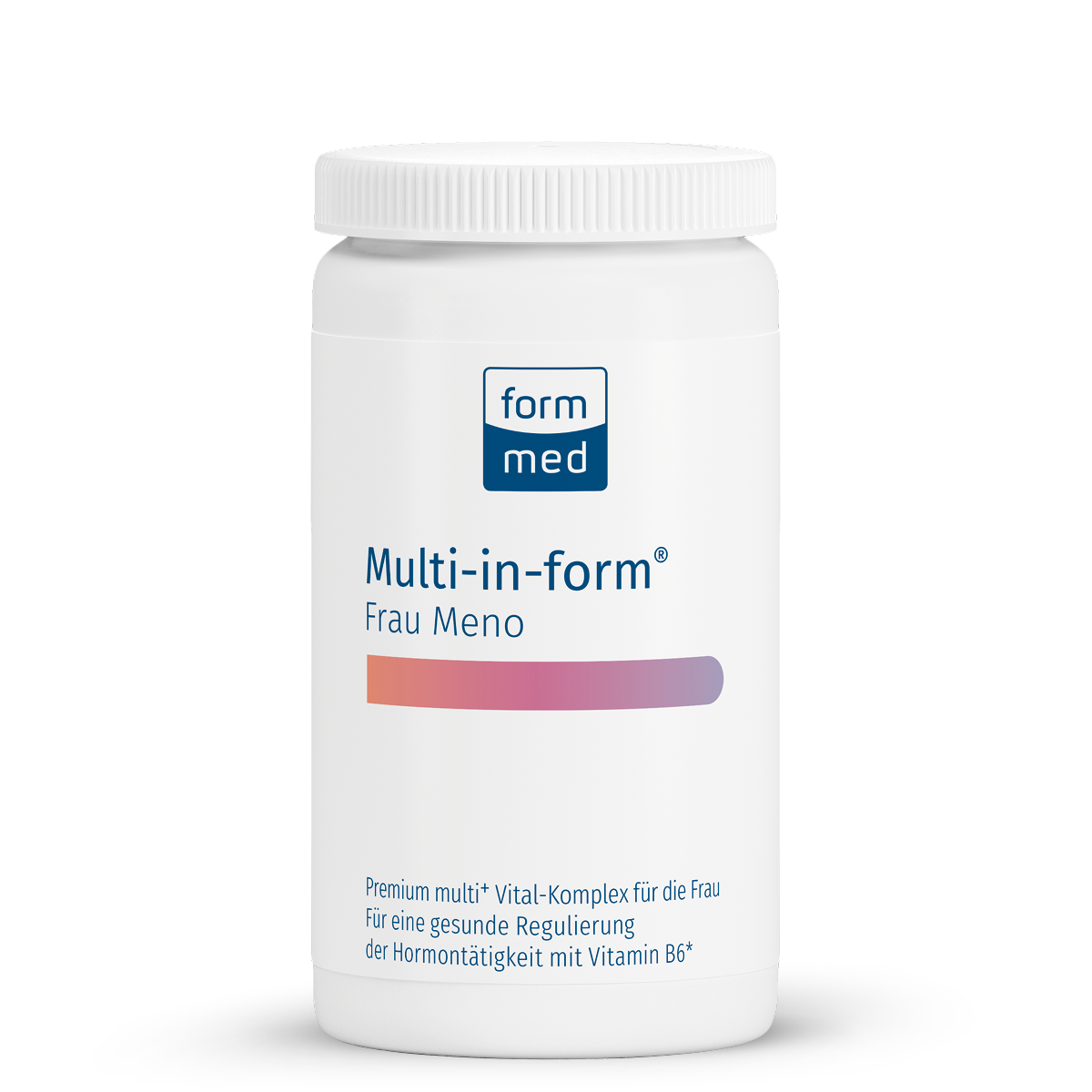
Ready for immediate dispatch - Delivery time approx. 1-3 days
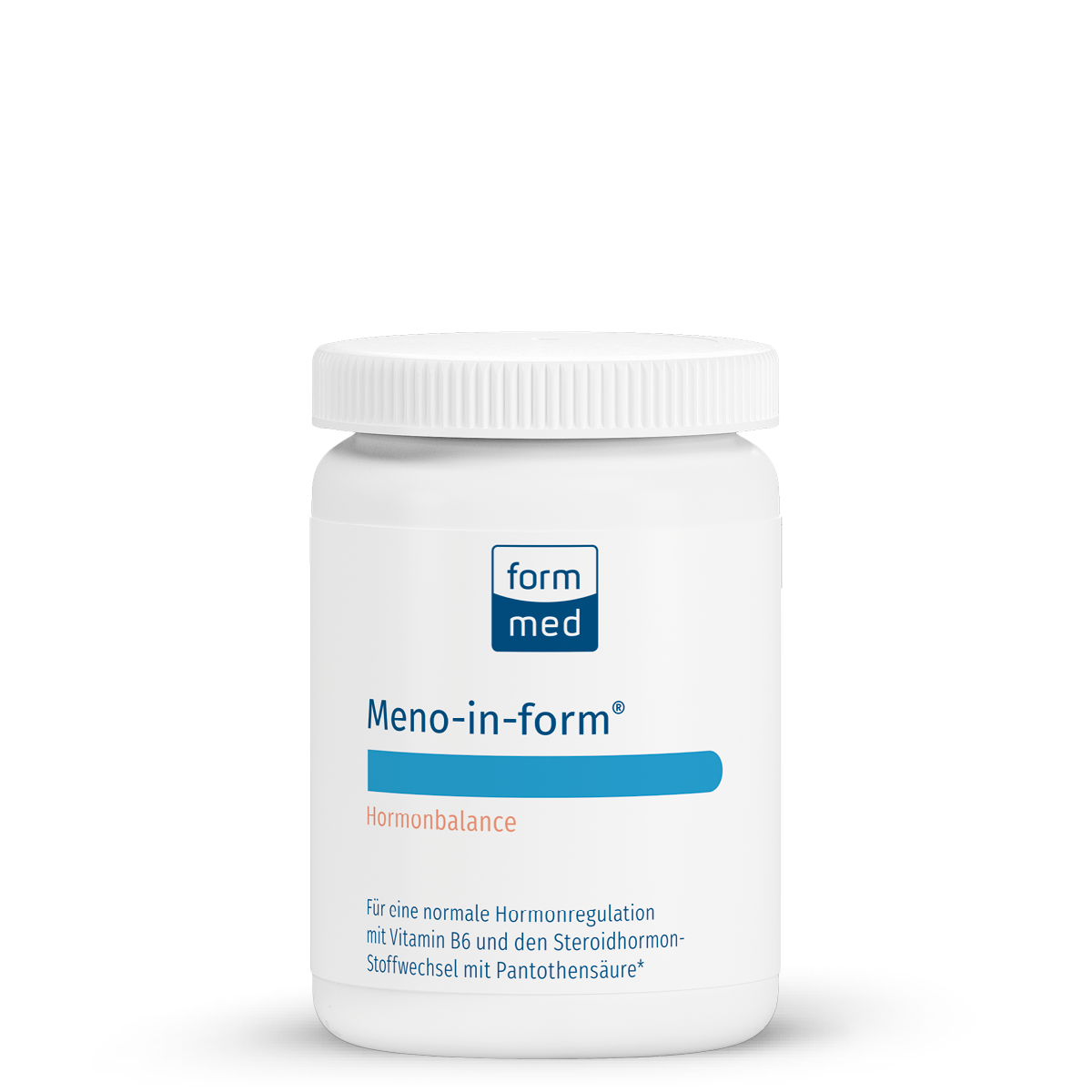
Ready for immediate dispatch - Delivery time approx. 1-3 days
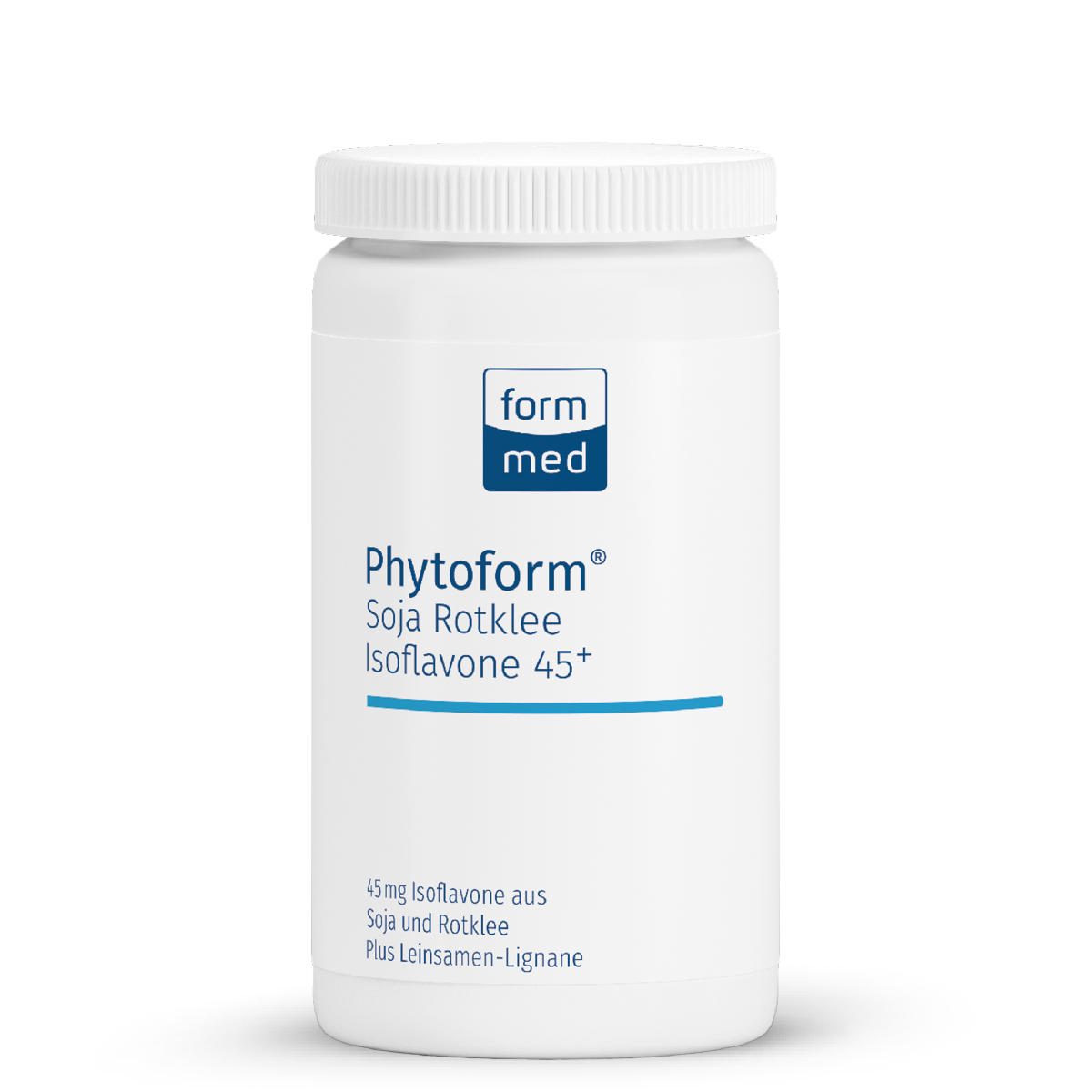
45 mg isoflavones from soy and red clover plus flaxseed lignans
Ready for immediate dispatch - Delivery time approx. 1-3 days
Literature
Avis, N.E. et al. (2015): Duration of Menopausal Vasomotor Symptoms Over the Menopause Transition. JAMA Intern Med. 175(4):531-539. https://pubmed.ncbi.nlm.nih.gov/25686030/
Daily, J.W. et al. (2019): Equol Decreases Hot Flashes in Postmenopausal Women: A Systematic Review and Meta-Analysis of Randomized Clinical Trials. J Med Food. 22(2):127-139. https://pubmed.ncbi.nlm.nih.gov/30592686/
Kanadys, W. et al. (2021): Evaluation of Clinical Meaningfulness of Red Clover (Trifolium pratense L.) Extract to Relieve Hot Flushes and Menopausal Symptoms in Peri- and Post-Menopausal Women: A Systematic Review and Meta-Analysis of Randomized Controlled Trials. Nutrients. 13(4):1258. https://pubmed.ncbi.nlm.nih.gov/33920485/
Kiani Rad, S. et al. (2016): The Effect of Salvia Officinalis Tablet on Hot Flashes, Night Sweating, and Estradiol Hormone in Postmenopausal Women. Int J Med Res Health Sci. 5(8):257-263. https://www.ijmrhs.com/medical-research/the-effect-of-salvia-officinalis-tablet-on-hot-flashes-night-sweating-and-estradiol-hormone-in-postmenopausal-women.pdf
Luan, H. et al. (2025): Effects of Soy Isoflavones on Menopausal Symptoms in Perimenopausal Women: A Systematic Review and Meta-Analysis. PeerJ. 13:e19715. https://pubmed.ncbi.nlm.nih.gov/40718787/
Mittelman-Smith, M.A. et al. (2012): Role for Kisspeptin/Neurokinin B/Dynorphin (KNDy) Neurons in Cutaneous Vasodilatation and the Estrogen Modulation of Body Temperature. Proc Natl Acad Sci USA. 109(48):19846-19851. https://pubmed.ncbi.nlm.nih.gov/23150555/
Moradi, M. et al. (2023): The Effect of Salvia Officinalis on Hot Flashes in Postmenopausal Women: A Systematic Review and Meta-Analysis. Int J Community Based Nurs Midwifery. 11(3):169-178. https://pubmed.ncbi.nlm.nih.gov/37489230/
Thurston, R.C. et al. (2005): Emotional Antecedents to Hot Flashes During Daily Life. Psychosom Med. 67(1):137-146. https://pubmed.ncbi.nlm.nih.gov/15673636/
Thurston, R.C. et al. (2012): Vasomotor Symptoms and Insulin Resistance in the Study of Women's Health Across the Nation. J Clin Endocrinol Metab. 97(10):3487-3494. https://pubmed.ncbi.nlm.nih.gov/22851488/