
Lipedema: How you can support connective tissue and blood vessels from within
Table of Contents
- What is Lipoedema? Definition and Symptoms
- Lipödem oder Adipositas – wo liegt der Unterschied?
- More Than Just Fat Cells: What Happens in the Tissue During Lipedema
- Vitamin C: Supporting Collagen in Blood Vessels
- OPC and Rutin: Plant Compounds in the Spotlight of Vascular Research
- Anti-inflammatory Diet: A Building Block for Managing Lipedema
- Lipedema in Daily Life: Additional Support for Body and Mind
- Conclusion: A Holistic Approach to Managing Lipedema
- Frequently Asked Questions About Lipedema
- Well-supplied with micronutrients
- Literature
Your legs feel heavy and painful—as if they might burst. Even the slightest pressure leaves you with constant bruising, and diets simply have no effect on the affected areas. Lipedema is far more than just a cosmetic issue; it is a chronic medical condition that primarily affects women and is often mistakenly dismissed for years as mere obesity. In this guide, you will learn why, in cases of lipedema, excess fluid seeps from tiny blood vessels into the surrounding tissue, and which micronutrients are essential for maintaining healthy blood vessels.
What is Lipoedema? Definition and Symptoms
Lipoedema is a chronic disorder of fat distribution that, at first glance, may resemble obesity. However, the underlying cause is different: it is not a result of lifestyle, but rather a genetic predisposition—one that is often triggered during periods of hormonal change, such as puberty, pregnancy, or menopause.
The processes occurring within the tissue differ significantly from those seen in obesity, which explains why dieting is largely ineffective for lipoedema. The tissue swells due to an accumulation of fat and fluid (oedema), leading to a sensation of tightness, tenderness to the touch, and the development of bruises. These two characteristics are reflected in the name itself: "lipoedema" is derived from the Greek terms *lipos* (fat) and *oedema* (fluid retention).
In addition to physical discomfort, those affected often experience psychological symptoms, such as depressive moods, anxiety, stress, or burnout.
Lipedema or obesity – what is the difference?
Obesity is caused by a consistently excessive caloric intake: the body stores the surplus energy as fat, which is distributed fairly evenly across the entire body in both men and women.
In the case of lipedema, by contrast, tissue increases in an uncontrolled and symmetrical manner on the arms, hips, buttocks, and legs—a distribution pattern that occurs almost exclusively in women. The torso, as well as the hands and feet, remain unaffected by lipedema; however, many women also have concurrent obesity, which then involves the abdomen and waist.
The tissue that forms is often lacking in elasticity and homogeneity, feeling nodular to the touch. Furthermore, the fine blood vessels within the tissue are more permeable, causing fluid to leak into the surrounding tissue. This combination explains why lipedema-affected tissue is prone to bruising and cannot be specifically reduced through strict dieting or exercise. Lipedema is also painful.
More Than Just Fat Cells: What Happens in the Tissue During Lipedema
While fat cells do play a role in lipedema—increasing in both number and size—this change alone does not account for the full clinical picture. A crucial factor is what happens to the blood vessels: an increased number of small, dilated blood and lymphatic vessels develop within the skin and adipose (fat) tissue. The structure of the fine blood vessels—the capillaries—also changes; they become more permeable, allowing fluid to leak more easily from the vessels into the surrounding tissue. This also explains the tendency to develop bruises.
Furthermore, research indicates that sodium accumulates in the skin and subcutaneous fat tissue in cases of lipedema. Salts like sodium retain water within the tissue, which explains the characteristic, slightly rubbery texture of the tissue and the pronounced tendency for swelling to occur throughout the day. Fluid retention related to the menstrual cycle can exacerbate the situation even further.
In addition, there is an increase in inflammatory processes within the tissue, which are linked to the pain experienced. This makes the tissue sensitive to pressure; even light pressure can cause pain and visible bruising. Consequently, many affected individuals describe their symptoms by saying it feels as though their legs might "burst."
As the condition progresses, lymphatic flow may also become impaired, making it even more difficult for the accumulated fluid to be drained away.
Vitamin C: Supporting Collagen in Blood Vessels
Fine blood vessels are supported by a network of collagen fibers that keep their walls stable and elastic. In this sense, collagen acts as a kind of internal corset for the vessels. Vitamin C is essential for the formation of these collagen fibers; it serves as a cofactor, enabling the protein building blocks of collagen to assemble into a strong, resilient structure. In this way, Vitamin C supports collagen synthesis, which is necessary for the normal function of blood vessels. A Vitamin C deficiency could compromise vessel walls that are already under strain.
In tissue affected by lipedema, altered blood vessels lead to fluid retention and reduced oxygen supply to the cells. This results in increased oxidative stress, which places an additional burden on the tissue. Vitamin C helps protect cells from oxidative stress.
Ensuring an adequate intake of Vitamin C is therefore a beneficial measure for supporting both blood vessels and cells. Good sources of Vitamin C include, for example, bell peppers, sea buckthorn, berries, and citrus fruits.
OPC and Rutin: Plant Compounds in the Spotlight of Vascular Research
In cases of lipedema, blood vessels become more permeable and fragile. Regarding vascular health, two plant compounds are currently the focus of research: OPC (oligomeric proanthocyanidins)—derived from grape seed extract or the bark of the French maritime pine—and the flavonoid rutin, obtained from the Japanese pagoda tree.
One area of research investigates whether OPC and rutin possess anti-inflammatory and antioxidant properties—both of which are processes involved in lipedema.
A second line of research explores how OPC and rutin might affect the permeability of the smallest blood vessels—the very characteristic that is altered in lipedema.
Anti-inflammatory Diet: A Building Block for Managing Lipedema
In cases of lipedema, inflammatory markers are often slightly elevated. The inflammatory processes occurring within the tissue are linked to the characteristic pain associated with the condition.
Diet can play a role in influencing these inflammatory processes. A key focus is maintaining stable blood sugar and insulin levels, as significant fluctuations in blood sugar can promote inflammation. Consequently, it is recommended to reduce the intake of highly processed carbohydrates and sugar. Instead, the consumption of fiber-rich vegetables and whole-grain products is advised, as the fiber helps to moderate spikes in blood sugar.
These principles are also reflected in the Mediterranean diet. In one study, patients with lipedema followed an adapted Mediterranean diet for four weeks. The results showed a reduction in adipose tissue in the arms and legs, as well as an improvement in quality of life.
The clinical guideline for the treatment of lipedema also recommends a Mediterranean-style diet. In addition to vegetables and whole-grain products, omega-3 fatty acids—found in fatty fish, flaxseed oil, or walnuts—are an integral part of this way of eating. Specifically, EPA and DHA (derived from fish) serve as precursors for signaling molecules that help resolve inflammation. The guide “Silent Inflammation: When the Immune System Fails to Switch Off” explains how so-called “silent” inflammations can place an additional burden on the body in everyday life.Lipedema in Daily Life: Additional Support for Body and Mind
Beyond medical treatment, supplementary measures can make daily life with lipedema easier—both physically and emotionally.
The psychological burden is often underestimated; studies show that the quality of life for women with lipedema is significantly more restricted compared to women without the condition. Since the mind and the experience of pain can reinforce one another, an integrated approach is essential.
The following components address both physical and psychological needs:
- Regular physical activity: This helps to alleviate pain, improve fitness, and counteract swelling—even moderate activities like swimming or walking can be beneficial.
- Compression and, if necessary, lymphatic drainage: Both support lymphatic flow and ease the sensation of heaviness and tension in the legs.
- Skincare tailored to your skin type: Regular moisturizing and gentle massage help keep the affected skin supple.
- Nutrition and weight management: A balanced diet and the avoidance of excess weight gain can have a positive impact on the progression of the condition.
- Stress reduction: Chronic stress intensifies the perception of pain.
Conclusion: A Holistic Approach to Managing Lipedema
Lipedema is not a matter of a lack of discipline; rather, it is a chronic disorder of fat distribution in which the fine blood vessels are more permeable than normal. This causes fluid to leak out and accumulate in the tissue, leading to painful tension and a characteristic tendency to bruise easily.
Nutrition plays an important role in this context. Vitamin C is essential for the formation of collagen, which, in turn, helps keep blood vessels stable. Researchers are currently investigating whether plant-based substances—such as OPC and rutin—can also provide support for blood vessels and connective tissue. The medical guidelines for lipedema recommend an anti-inflammatory diet, modeled after the Mediterranean diet.
Equally important is how one cares for both the body and the mind. Physical activity, compression therapy, skin care, stress reduction, and—if necessary—psychotherapeutic support all contribute to overall well-being, as pain and mental state can influence one another. By incorporating these various elements into daily life, it becomes easier to manage lipedema.
Frequently Asked Questions About Lipedema
Typisch für ein Lipödem sind eine symmetrische Fettvermehrung an Beinen, Hüften oder Armen mit einem deutlichen Missverhältnis zum eher schlanken Oberkörper. Hinzu kommen Druckschmerzen, ein Spannungsgefühl, das im Tagesverlauf zunehmen kann, sowie eine ausgeprägte Neigung zu blauen Flecken schon bei leichtem Druck. Hände, Hals, Rumpf und Füße sind davon in der Regel nicht betroffen.
Einen speziellen Lipödem-Test gibt es nicht. Die Diagnose erfolgt vor allem durch eine körperliche Untersuchung und den Tastbefund. Ärzte achten auf die typische symmetrische Fettverteilung, die Druckschmerzhaftigkeit sowie das sogenannte Stemmer-Zeichen, mit dem sich ein zusätzliches Lymphödem ausschließen lässt: Dabei wird an der Oberseite der Zehen- oder Fingergrundgelenke mit Daumen und Zeigefinger eine Hautfalte angehoben. Bei einem reinen Lipödem ist das problemlos möglich, da das Gewebe an diesen Stellen nicht verdickt ist. Erst in späteren Stadien, wenn zusätzlich das Lymphsystem gestört ist, kann das Stemmer-Zeichen positiv werden.
Es werden drei Stadien unterschieden, die sich nach der Beschaffenheit des Gewebes richten:
- Stadium 1: glatte Hautoberfläche, aber bereits verdicktes Unterhautfettgewebe
- Stadium 2: größere Knoten (perl- bis apfelgroß) und eine unebene Hautoberfläche (Matratzen-Muster)
- Stadium 3: dünnere, weniger elastische Haut sowie großflächige, wulstartige und überhängende Fettgewebsvermehrungen
Kommt zusätzlich ein Lymphödem hinzu, spricht man von einem Lipo-Lymphödem – nach aktueller Leitlinie gilt dies als eigenständige Begleiterkrankung. Die Stadien beschreiben außerdem nur das Ausmaß der Gewebeveränderung, nicht die Schmerzstärke – Schmerzen können bereits in Stadium 1 auftreten.
Die genaue Ursache eines Lipödems ist noch nicht abschließend geklärt. Lipödem betrifft fast ausschließlich Frauen, weshalb ein Zusammenhang mit weiblichen Hormonen diskutiert wird – insbesondere mit hormonellen Umstellungen in der Pubertät, während einer Schwangerschaft oder in den Wechseljahren. Daneben vermuten Forscher eine genetische Veranlagung.
Nein, ein Lipödem gilt als chronische Erkrankung, die sich nach aktuellem Wissensstand nicht von selbst zurückbildet. Eine gezielte Begleitung kann jedoch helfen, Beschwerden wie Schmerzen und Schwellungen zu lindern. In vielen Fällen verläuft ein Lipödem über viele Jahre stabil.
Das vom Lipödem betroffene Fettgewebe lässt sich durch Diäten oder Fasten in der Regel nicht gezielt reduzieren, da es sich anders verhält als gewöhnliches Fettgewebe.
Auf die Begleitbeschwerden kann sich die Ernährung aber durchaus auswirken: Eine antientzündliche und kalorienarme Ernährung trägt dazu bei, Schmerzen zu lindern und das allgemeine Wohlbefinden zu verbessern.
Ungünstig sind vor allem Lebensmittel, die entzündliche Prozesse begünstigen können. Dazu zählen:
- stark zuckerhaltige Lebensmittel und stark verarbeitete Produkte wie Weißmehl, da sie den Blutzucker schnell ansteigen lassen
- Fette aus Fleisch und Wurstwaren, da gesättigte Fettsäuren ebenfalls entzündungsfördernd wirken können
Eine individuelle Ernährungsberatung hilft, dies auf die persönliche Situation abzustimmen.
Am besten wirkt eine Kombination aus mehreren Maßnahmen: Kompressionstherapie und manuelle Lymphdrainage lindern das Druck- und Schweregefühl, während leichte Bewegung wie Schwimmen, Wassergymnastik oder lockeres Ausdauertraining zusätzlich entzündliche Prozesse im Körper günstig beeinflussen kann. Auch eine moderate Massage wird als unterstützende Maßnahme gegen den Schmerz diskutiert.
Eine gezielte Entwässerung mit harntreibenden Mitteln wird bei Lipödem nicht empfohlen: Die Flüssigkeitseinlagerungen gehen nämlich nicht auf zu viel Wasser im Körper zurück, sondern auf die durchlässigen Blutgefäße und den gestörten Lymphabfluss. Wirksamer sind die gleichen Maßnahmen, die auch gegen die Schmerzen helfen: Bewegung, Kompression und manuelle Lymphdrainage sowie vor allem Aquagymnastik unterstützen den Abtransport der Gewebeflüssigkeit.
Ein Lipödem lässt sich nicht schnell oder vollständig loswerden, da es sich um eine chronische Erkrankung handelt. Kompression und Lymphdrainage können die Beschwerden lindern, das Fettgewebe selbst aber nicht reduzieren. In fortgeschrittenen Stadien kann nach ärztlicher Abklärung eine Fettabsaugung (Liposuktion) die Fettvermehrung und die Schmerzen deutlich verringern.
Well-supplied with micronutrients
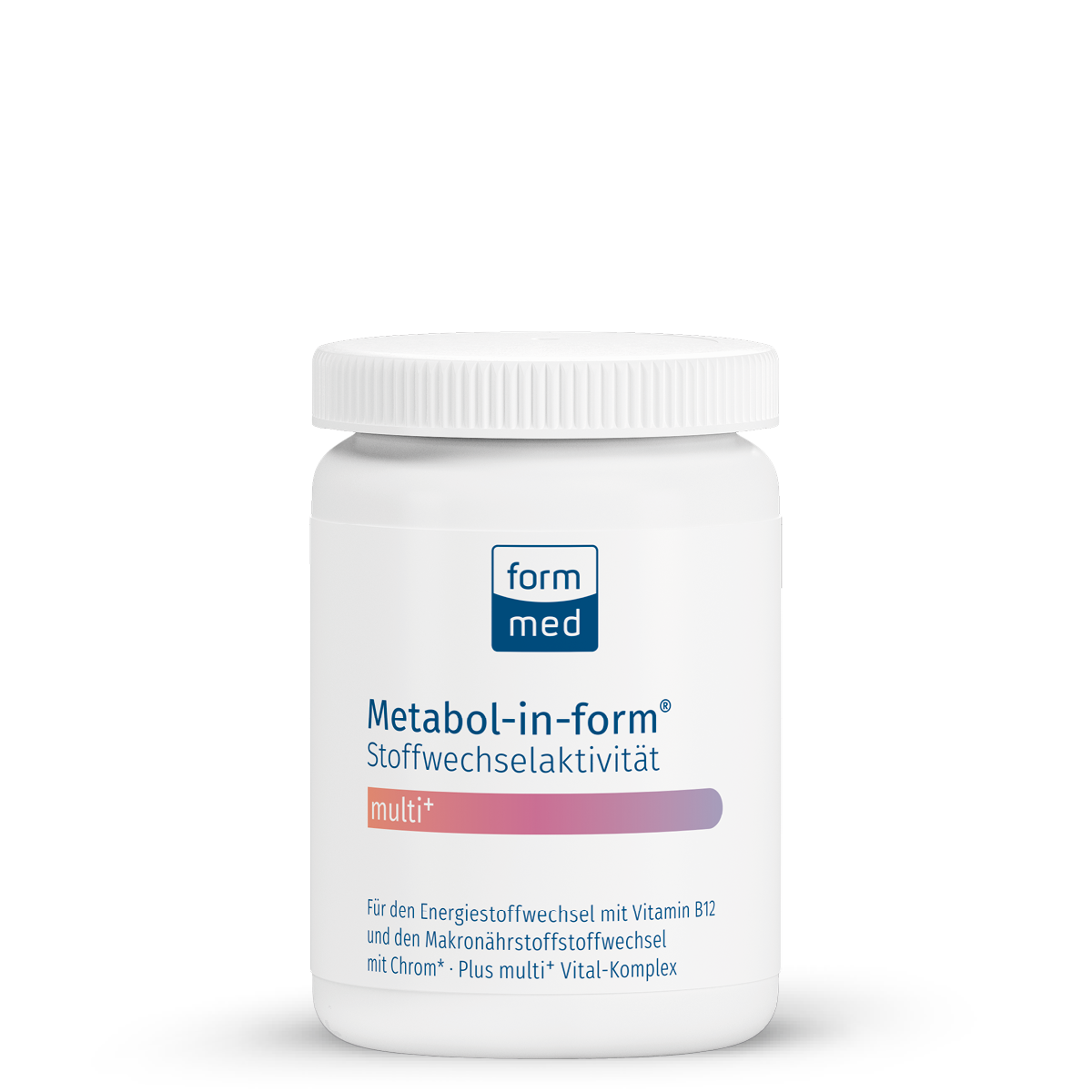
Ready for immediate dispatch - Delivery time approx. 2-5 days

Ready for immediate dispatch - Delivery time approx. 2-5 days

375 mg purest Omega-3 fatty acids rich in EPA – particularly bioavailable from certified sustainable wild catch
Ready for immediate dispatch - Delivery time approx. 2-5 days
Literature
Al-Ghadban, S. et al. (2019): Dilated Blood and Lymphatic Microvessels, Angiogenesis, Increased Macrophages, and Adipocyte Hypertrophy in Lipedema Thigh Skin and Fat Tissue. J Obes. 2019:8747461. https://pubmed.ncbi.nlm.nih.gov/30949365/
Al-Ghadban, S. et al. (2026): Vascular changes and their implications in lipedema. Front Cell Dev Biol. 14:1819443. https://pmc.ncbi.nlm.nih.gov/articles/PMC13193901/
Al-Wardat, M. et al. (2021): The association between serum vitamin D and mood disorders in a cohort of lipedema patients. Horm Mol Biol Clin Investig. 42(4):351-355. https://pubmed.ncbi.nlm.nih.gov/34323062/
Atabilen Pınar, B. et al. (2026): Current Evidence-Based Clinical Nutritional Approaches in Lipedema: A Scoping Review. Nutr Rev. 84(8):1736-1755. https://pubmed.ncbi.nlm.nih.gov/41288228/
AWMF (2024): S2k-Leitlinie Lipödem. Registernummer 037-012. https://register.awmf.org/de/leitlinien/detail/037-012
Cheon, H. et al. (2025): Grape seed proanthocyanidins improve lymphatic drainage and blood perfusion in secondary lymphedema models. Front Oncol. 2025:1553090. https://pubmed.ncbi.nlm.nih.gov/40548114/
Cifarelli, V. et al. (2025): Lipedema: Progress, Challenges, and the Road Ahead. Obes Rev. https://pubmed.ncbi.nlm.nih.gov/40425048/
Crescenzi, R. et al. (2018): Tissue Sodium Content is Elevated in the Skin and Subcutaneous Adipose Tissue in Women with Lipedema. Obesity (Silver Spring). 26(2):310-317. https://pubmed.ncbi.nlm.nih.gov/29280322/
Di Renzo, L. et al. (2021): Potential Effects of a Modified Mediterranean Diet on Body Composition in Lipoedema. Nutrients. 2021:358. https://pubmed.ncbi.nlm.nih.gov/33504026/
Flores, T. et al. (2024): High-Volume Liposuction in Lipedema Patients: Effects on Serum Vitamin D. J Clin Med. 13(10):2846. https://pubmed.ncbi.nlm.nih.gov/38792387/
Herbst, K. L. (2012): Rare adipose disorders (RADs) masquerading as obesity. Acta Pharmacol Sin. 33(2):155-172. https://pubmed.ncbi.nlm.nih.gov/22301856/
Herbst, K. L. et al. (2021): Standard of care for lipedema in the United States. Phlebology. 36(10):779-796. https://pubmed.ncbi.nlm.nih.gov/34049453/
Jamuna, S. et al. (2023): Anti-Atherogenic Protection by Oligomeric Proanthocyanidins via Regulating Collagen Crosslinking Against CC Diet-Induced Atherosclerosis in Rats. Appl Biochem Biotechnol. 2023:4881-4892. https://pubmed.ncbi.nlm.nih.gov/37097399/
Martínez-Zapata, M. J. et al. (2020): Phlebotonics for venous insufficiency. Cochrane Database Syst Rev. 11:CD003229. https://pubmed.ncbi.nlm.nih.gov/33141449/
Mello Netto, B. S. et al. (2025): Impact of Pycnogenol® Use in the Treatment of Patients With Lipedema: A Randomized Controlled Trial. Cureus. 17(11):e96589. https://pubmed.ncbi.nlm.nih.gov/41393612/
Miguel, C. B. et al. (2025): Emerging Pharmacological Interventions for Chronic Venous Insufficiency: A Comprehensive Systematic Review and Meta-Analysis of Efficacy, Safety, and Therapeutic Advances. Pharmaceutics. 17(1):59. https://pubmed.ncbi.nlm.nih.gov/39861707/
Perrin, M. und Ramelet, A. A. (2011): Pharmacological Treatment of Primary Chronic Venous Disease: Rationale, Results and Unanswered Questions. Eur J Vasc Endovasc Surg. 41(1):117-125. https://pubmed.ncbi.nlm.nih.gov/21126890/
Pfister, C. et al. (2020): Selenium Deficiency in Lymphedema and Lipedema—A Retrospective Cross-Sectional Study from a Specialized Clinic. Nutrients. 12(5):1211. https://pubmed.ncbi.nlm.nih.gov/32344864/
Poojari, A. et al. (2022): Lipedema: Insights into Morphology, Pathophysiology, and Challenges. Biomedicines. 10(12):3081. https://pmc.ncbi.nlm.nih.gov/articles/PMC9775665/
Sano, A. et al. (2013): Proanthocyanidin-rich grape seed extract reduces leg swelling in healthy women during prolonged sitting. J Sci Food Agric. 93(3):457-462. https://pubmed.ncbi.nlm.nih.gov/22752876/
Siems, W. et al. (2005): Anti-fibrosclerotic effects of shock wave therapy in lipedema and cellulite. BioFactors. 24:275-282. https://pubmed.ncbi.nlm.nih.gov/16403988/
Weichmann, F., Rohdewald, P. (2024): Pycnogenol® French maritime pine bark extract in randomized, double-blind, placebo-controlled human clinical studies. Front Nutr. 2024:1389374. https://pubmed.ncbi.nlm.nih.gov/38757130/
Wolf, S. et al. (2022): A distinct M2 macrophage infiltrate and transcriptomic profile decisively influence adipocyte differentiation in lipedema. Front Immunol. 13:1004609. https://pubmed.ncbi.nlm.nih.gov/36605202/