Winter blues and low spirits: How to keep your mental well-being intact through the winter
Table of Contents
- Winterblues und gedrückte Stimmung: So kommt die Psyche durch den Winter
- Winter Blues or Winter Depression? Comparing the Symptoms
- The Biology of Low Mood: When Light Is Lacking
- Synergy for the Psyche: Micronutrients as a Foundation
- Saffron: A Traditional Spice Under Scientific Scrutiny
- Light, Movement, Daily Routine: What Helps with the "Winter Blues"
- Conclusion: Supporting Your Mental Well-being Through the Winter
- Frequently Asked Questions About the Winter Blues and Winter Depression
- Well-supplied with micronutrients and saffron
- Literature
As autumn arrives, the days grow shorter and the sky remains grey—many people experience the "winter blues," characterized by persistent fatigue and a low mood. The winter blues are an understandable biological response, driven by hormones in the brain reacting to a lack of daylight. In this guide, learn how the winter blues differ from winter depression (seasonal affective disorder), the roles played by melatonin and serotonin, and what steps you can take to combat the winter blues.
Winter Blues or Winter Depression? Comparing the Symptoms
During the darker months of the year, many people feel more tired, less energetic, and more downcast than usual. These symptoms are quite common: in northern latitudes, 15 to 20% of the population report experiencing a noticeable "winter blues."
A typical case of the winter blues manifests as a lack of motivation and a low or irritable mood. Other symptoms include cravings for sweets and carbohydrates, as well as a significantly increased need for sleep. Many of those affected also tend to withdraw somewhat from their social circles during this time.
These symptoms typically begin in the autumn or early winter and subside on their own once spring arrives.
Is the "winter blues" a form of clinical depression?
The typical "winter blues" refers to a seasonal, usually temporary, lack of motivation—often accompanied by an increased need for sleep and a low mood—triggered by a lack of daylight. A key characteristic is that these symptoms can be noticeably improved through increased exposure to daylight, physical activity, or enjoyable experiences, allowing daily life—including work, relationships, and routine responsibilities—to continue as usual. While many people who experience the winter blues may feel that it significantly impacts their well-being, it generally does not meet the strict medical criteria for clinical depression.
However, if a depressive mood during the winter severely interferes with daily life, it may be a case of Seasonal Affective Disorder (SAD). This is considered a form of depression. Therefore, if symptoms are severe or persistent, it is advisable to seek medical advice.
The Biology of Low Mood: When Light Is Lacking
Low mood and persistent fatigue during the winter have a clear biological cause—one that begins in the retina of the eye. Specialized cells signal darkness to the brain. In response, a part of the brain—the pineal gland—increases its production of the sleep hormone melatonin, and does so over a longer period. As a result, many people feel almost constantly sleepy during the winter months.
At the same time, the "happiness hormone" serotonin becomes imbalanced: researchers have discovered that the transport of serotonin back into nerve cells is more active during the winter months than in the summer—which significantly weakens the effect of serotonin.
There is also another theory: if increased amounts of melatonin are produced over an extended period during long winter nights, there may consequently be less serotonin available. This is because, within the brain, melatonin is synthesized directly from serotonin—and both ultimately originate from tryptophan.
Tryptophan is an essential amino acid that the body cannot produce on its own and must therefore obtain through diet. Protein-rich foods—such as poultry, eggs, dairy products, fish, legumes, as well as nuts and seeds—are excellent sources of tryptophan. A balanced, protein-rich diet is therefore important to ensure an adequate supply of tryptophan, which serves as a building block for the production of serotonin.
Synergy for the Psyche: Micronutrients as a Foundation
Many vitamins and minerals act as cofactors within the body: as helper molecules, they facilitate numerous enzymatic reactions—including those in the brain and nervous system. If one of these cofactors is missing, the associated processes can only function to a limited extent.
Certain B vitamins, as well as magnesium, contribute to normal psychological function—in addition to supporting the normal functioning of the nervous system and healthy energy metabolism.
B Vitamins: Cofactors for Neurotransmitters and Energy
Vitamins B6 and B12, along with folic acid, serve as cofactors in the synthesis of several neurotransmitters. These include the "happiness hormone" serotonin, as well as dopamine and noradrenaline. These neurotransmitters play a crucial role in regulating mood, motivation, and alertness.
Vitamin B6 is also involved in the production of GABA, the primary calming neurotransmitter in the brain.B vitamins—such as B1, B2, and B12—also serve as cofactors for metabolic processes in which carbohydrates, fats, and proteins are converted into usable energy.
Magnesium: A Mineral for Nerve Impulses and Energy Metabolism
Magnesium plays a role in the transmission of impulses between nerve cells. It regulates the excitatory influx of calcium at the junctions between nerve cells, thereby helping to maintain a balance between excitation and inhibition within the nervous system.
Furthermore, magnesium is involved in several enzymatic reactions within energy metabolism that contribute to the formation of ATP, the universal energy carrier. Magnesium is also essential for the release of usable energy from ATP. Consequently, it helps to reduce tiredness and fatigue.
Researchers are currently investigating whether magnesium has an impact on stress and depressive moods—particularly when combined with B vitamins.
FormMed Tip – Scientifically sound combinations rather than single nutrients
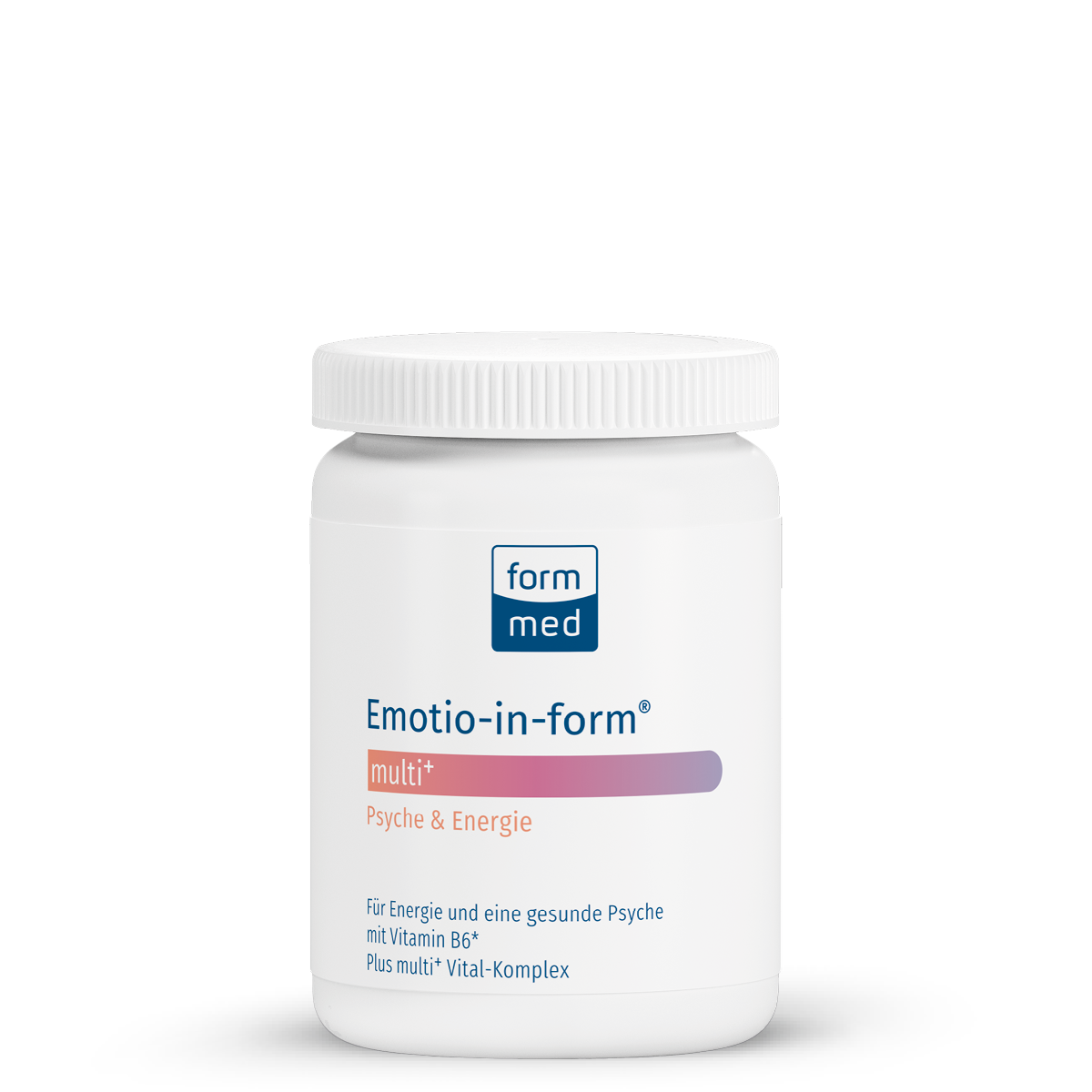
Emotio-in-form® multi+ combines B vitamins, magnesium, and more—a blend specifically tailored to the needs of the psyche, the nervous system, and energy metabolism. The formula is further enhanced with the essential amino acid L-tryptophan, as well as high-quality plant extracts from rhodiola, lemon balm, and hops. Taking one capsule in the morning and one in the evening ensures a consistent supply throughout the day.
As part of the Q360+ quality commitment, every batch is tested by the independent GBA Group for heavy metals, microorganisms, and pesticides.
Saffron: A Traditional Spice Under Scientific Scrutiny
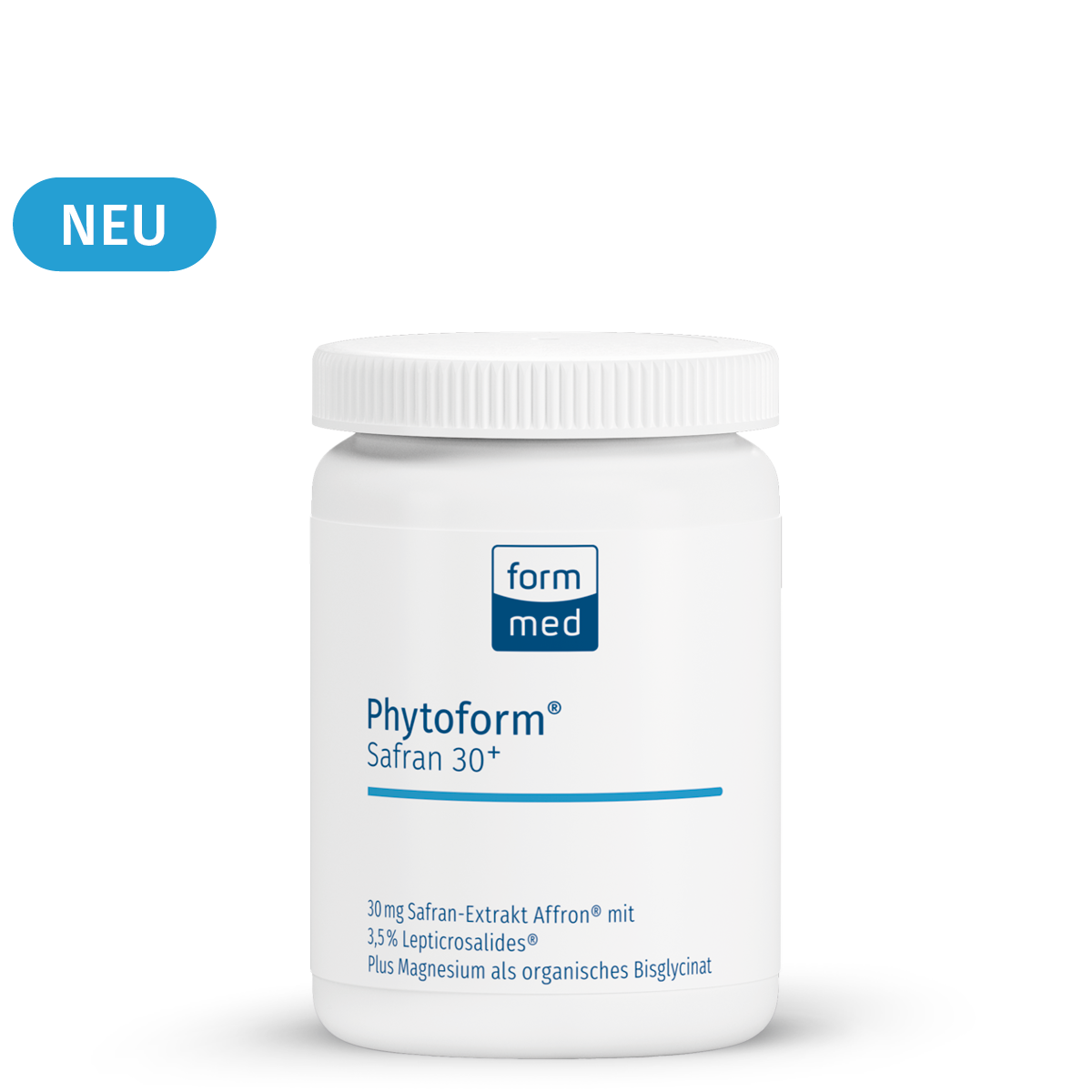
Saffron (Crocus sativus) is best known as the world’s most expensive spice—producing a single gram of the dried threads requires the hand-harvesting of up to 150 flowers. In recent years, saffron extract has also become the subject of increasing scientific research, focusing on two secondary plant compounds found in the saffron blossom: safranal and crocin.
Through controlled studies, researchers are investigating whether and how these compounds interact with the metabolism of neurotransmitters—such as serotonin, dopamine, and noradrenaline—in the brain, and whether they may influence depressive moods.
In Southeast Asia, saffron has been used traditionally for centuries to address feelings of melancholy.
Light, Movement, Daily Routine: What Helps with the "Winter Blues"
During the darker months of the year, one’s mood is influenced not only by internal biological processes but also by external factors—most notably daylight, physical activity, and a stable daily routine.
Daylight inhibits the production of melatonin (the sleep hormone) and helps regulate the body’s sleep-wake cycle. If you do not get enough natural daylight during the winter, you might consider using a special light therapy lamp with an intensity of at least 10,000 lux. Research has shown that daily use of such a lamp can alleviate depressive symptoms associated with seasonal mood slumps. Typically, 20 to 30 minutes a day—ideally in the morning or forenoon—is sufficient.
Regular physical activity can also improve your mood. Even moderate exercise can lower the risk of developing a depressive state—ideally done outdoors, which allows you to benefit from daylight at the same time.
Furthermore, maintaining social connections is helpful. Making plans with friends or family provides a reliable structure to your daily life during the darker season. Additionally, a consistent daily schedule—including waking up at the same time each day—helps stabilize your internal clock, even when the mornings remain dark for longer periods.
Conclusion: Supporting Your Mental Well-being Through the Winter
The "winter blues" are a perfectly understandable bodily reaction to reduced daylight—they are not a matter of willpower. Exposure to daylight, physical activity in the fresh air, maintaining social connections, and following a consistent daily routine form the foundation for navigating the darker months of the year successfully.
Ensuring an adequate intake of micronutrients can also play a role: B vitamins and magnesium act as cofactors, participating in the production of neurotransmitters and the transmission of signals between nerve cells. Consequently, they contribute to normal psychological function and the proper functioning of the nervous system—processes that are placed under greater strain during shorter, less luminous days. Furthermore, safranal and crocin—compounds derived from the saffron flower—are currently the focus of scientific research. In this way, daily lifestyle habits and micronutrient intake complement one another effectively.
Frequently Asked Questions About the Winter Blues and Winter Depression
To combat winter depression, the most effective approach is to ensure sufficient exposure to natural daylight—especially during the morning hours—or, alternatively, to use light therapy with a daylight lamp. Regular physical activity in the fresh air is also beneficial. In more severe cases of winter depression, antidepressants prescribed by a physician may be used.
In everyday language, the "winter blues" are often equated with winter depression, even though they differ in terms of severity. Light and physical activity are also helpful for the winter blues.
Furthermore, an adequate intake of B vitamins and magnesium can play a role: as cofactors, they are involved in the production of neurotransmitters and the transmission of signals between nerve cells. Consequently, they contribute to normal psychological function and the proper functioning of the nervous system. In addition, scientists are currently investigating the influence of saffron on mood and the nervous system.
Daylight lamps with an intensity of at least 10,000 lux are recommended, to be used in the morning for about 20 to 30 minutes. The timing—in the morning—is important, as light suppresses the release of melatonin, thereby stabilizing the sleep-wake cycle. During use, your eyes should remain open, though you should avoid looking directly into the light. Initial effects are often noticeable after just one to two weeks.
B vitamins—specifically B6, B12, and folic acid—are important for normal psychological function. As coenzymes, they are involved in the production of neurotransmitters such as serotonin and dopamine. These same vitamins also help reduce tiredness and fatigue by playing a role in cellular energy metabolism.
In addition, vitamin D is a micronutrient that is the subject of increasing research. Scientists are investigating what role it might play in depressive moods—especially given that levels tend to drop during the winter months.
Vitamin D is the subject of ongoing research into seasonal mood fluctuations. Since the body’s own production of vitamin D via the skin depends on sunlight, vitamin D levels drop significantly for many people during the winter. In particular, researchers are investigating whether and how vitamin D is linked to serotonin metabolism in the brain, and what role this might play in depressive moods.
Saffron is among the most extensively researched spices—its plant compounds, such as safranal and crocin, are the focus of numerous scientific studies.
Historically, saffron has been valued for centuries in traditional medicine systems, including Persian and Chinese medicine as well as Ayurveda, where it was believed to influence mood and well-being.
Modern research is now revisiting these traditional claims. Currently, scientists are primarily investigating the potential role of standardized saffron extracts in addressing depressive moods. Other areas of study include premenstrual syndrome and eye health.
The use of saffron as a dietary supplement is discouraged, particularly during pregnancy, as larger amounts can trigger uterine contractions and induce labor. However, saffron is considered safe in the small quantities used in cooking.
Furthermore, the safety of saffron supplements has not been sufficiently studied in children and adolescents.
Individuals with a known hypersensitivity to saffron or other plants in the Iridaceae (crocus) family should also avoid its use.
Consultation with a physician is also recommended in the following cases:
- low blood pressure or heart disease
- bipolar disorder
- blood clotting disorders or prior to scheduled surgery
- concurrent use of antidepressants, such as selective serotonin reuptake inhibitors (SSRIs)
- concurrent use of blood pressure medication or sedatives
- use of diabetes medication
Well-supplied with micronutrients and saffron
Ready for immediate dispatch - Delivery time approx. 2-5 days

2,000 I.U. (50 µg) natural Vitamin D3 with Vitamin K2 plus Pantothenic acid
Ready for immediate dispatch - Delivery time approx. 2-5 days
Ready for immediate dispatch - Delivery time approx. 2-5 days
Literature
Golden, R. N. et al. (2005): The efficacy of light therapy in the treatment of mood disorders: a review and meta-analysis of the evidence. Am J Psychiatry. 162(4):656-662. https://pubmed.ncbi.nlm.nih.gov/15800134/
Hausenblas, H. A. et al. (2013): Saffron (Crocus sativus L.) and major depressive disorder: a meta-analysis of randomized clinical trials. J Integr Med. 11(6):377-383. https://pubmed.ncbi.nlm.nih.gov/24299602/
Jahan-Mihan, A. et al. (2024): The Role of Water-Soluble Vitamins and Vitamin D in Prevention and Treatment of Depression and Seasonal Affective Disorder in Adults. Nutrients. 16(12):1902. https://pubmed.ncbi.nlm.nih.gov/38931257/
Kurlansik, S. L. und Ibay, A. D. (2012): Seasonal affective disorder. Am Fam Physician. 86(11):1037-1041. https://pubmed.ncbi.nlm.nih.gov/23198671/
Marx, W. et al. (2019): Effect of saffron supplementation on symptoms of depression and anxiety: a systematic review and meta-analysis. Nutr Rev. 77(8):557-571. https://pubmed.ncbi.nlm.nih.gov/31135916/
Melrose, S. (2015): Seasonal affective disorder: an overview of assessment and treatment approaches. Depress Res Treat. 2015:178564. https://pubmed.ncbi.nlm.nih.gov/26688752/
Pearce M et al. (2022): Association Between Physical Activity and Risk of Depression: A Systematic Review and Meta-Analysis. JAMA Psychiatry. 79(6):550–559. https://jamanetwork.com/journals/jamapsychiatry/fullarticle/2790780
Pereira, J. C. Jr. et al. (2017): Secondary to excessive melatonin synthesis, the consumption of tryptophan from outside the blood-brain barrier and melatonin over-signaling in the pars tuberalis may be central to the pathophysiology of winter depression. Med Hypotheses. 98:69-75. https://pubmed.ncbi.nlm.nih.gov/28012610/
Rajizadeh, A. et al. (2017): Effect of magnesium supplementation on depression status in depressed patients with magnesium deficiency: A randomized, double-blind, placebo-controlled trial. Nutrition. 35:56-60. https://pubmed.ncbi.nlm.nih.gov/28241991/
Shafiee, A. et al. (2025): Effect of Saffron Versus Selective Serotonin Reuptake Inhibitors (SSRIs) in Treatment of Depression and Anxiety: A Meta-analysis of Randomized Controlled Trials. Nutr Rev. 83(3):e751-e761. https://pubmed.ncbi.nlm.nih.gov/38913392/
Stover, P. J. und Field, M. S. (2015): Vitamin B-6. Adv Nutr. 6(1):132-133. https://pubmed.ncbi.nlm.nih.gov/25593152/
Tarleton, E. K. et al. (2017): Role of magnesium supplementation in the treatment of depression: A randomized clinical trial. PLoS One. 12(6):e0180067. https://pubmed.ncbi.nlm.nih.gov/28654669/
Tóth, B. et al. (2019): The Efficacy of Saffron in the Treatment of Mild to Moderate Depression: A Meta-analysis. Planta Med. 85(1):24-31. https://pubmed.ncbi.nlm.nih.gov/30036891/
Wan, Y. et al. (2025): Effectiveness of visible light for seasonal affective disorder: A systematic review and network meta-analysis. Medicine. 104(27):e43107. https://pmc.ncbi.nlm.nih.gov/articles/PMC12237333/
Wang, L., Su, S. und Liu, Y. (2025): Meta-analysis of the effect of vitamin D on depression. Front Psychiatry. https://pubmed.ncbi.nlm.nih.gov/40821024/
WebMD / Natural Medicines Database: Saffron – Uses, Side Effects, Precautions, Interactions, Dosing. https://www.webmd.com/vitamins/ai/ingredientmono-844/saffron