Vitamins and More for Menopause
Premenopause to Postmenopause
A woman’s body naturally undergoes hormonal changes throughout life—especially during menopause. This phase consists of three stages. But what exactly distinguishes premenopause, perimenopause, and postmenopause? And how can micronutrients help? We answer these questions and introduce suitable supplements as well.
By the way: If you’d like to receive regular updates on personal benefits and our products, subscribe to FormMed Select – completely free of charge!
Micronutrients for Premenopause
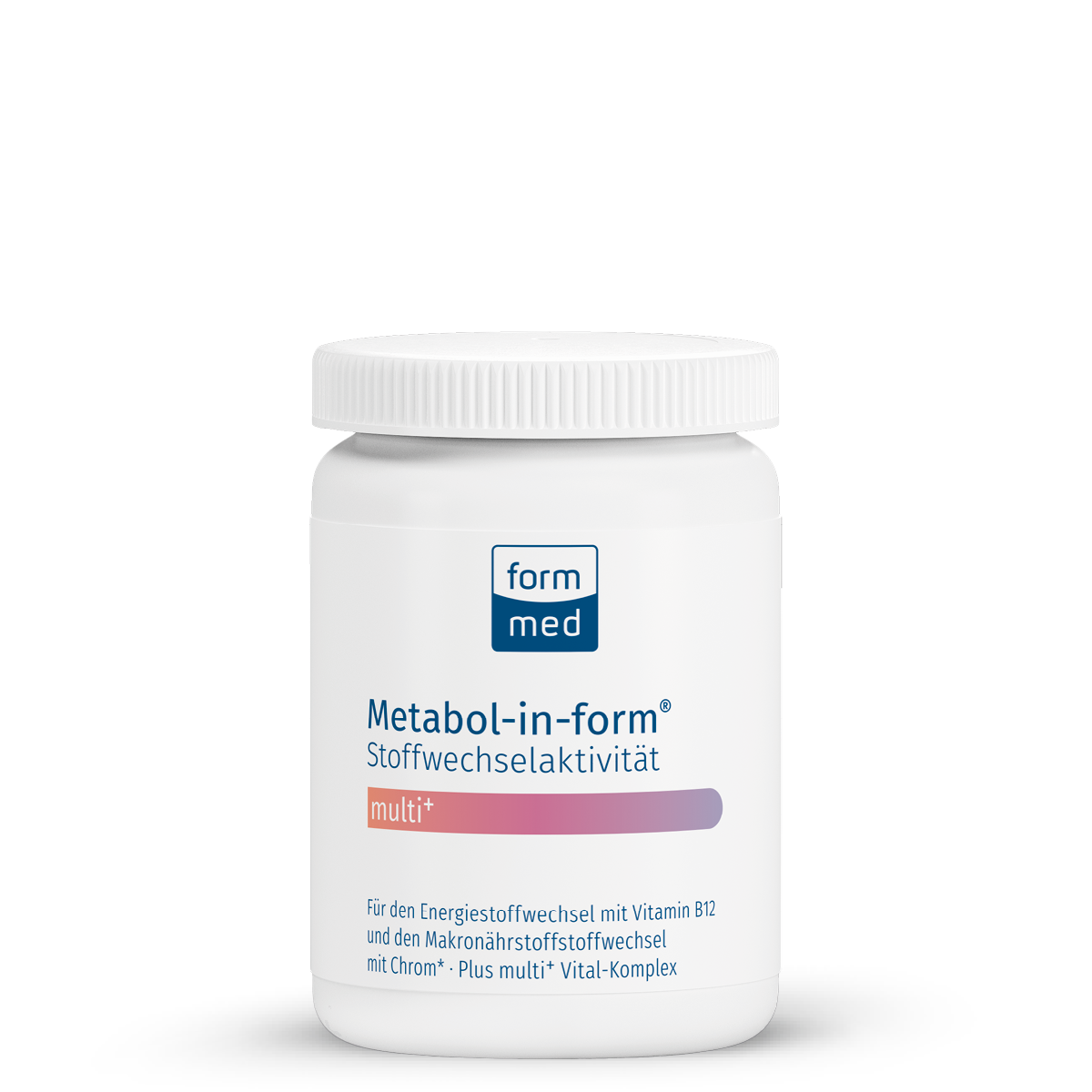
Ready for immediate dispatch - Delivery time approx. 1-3 days
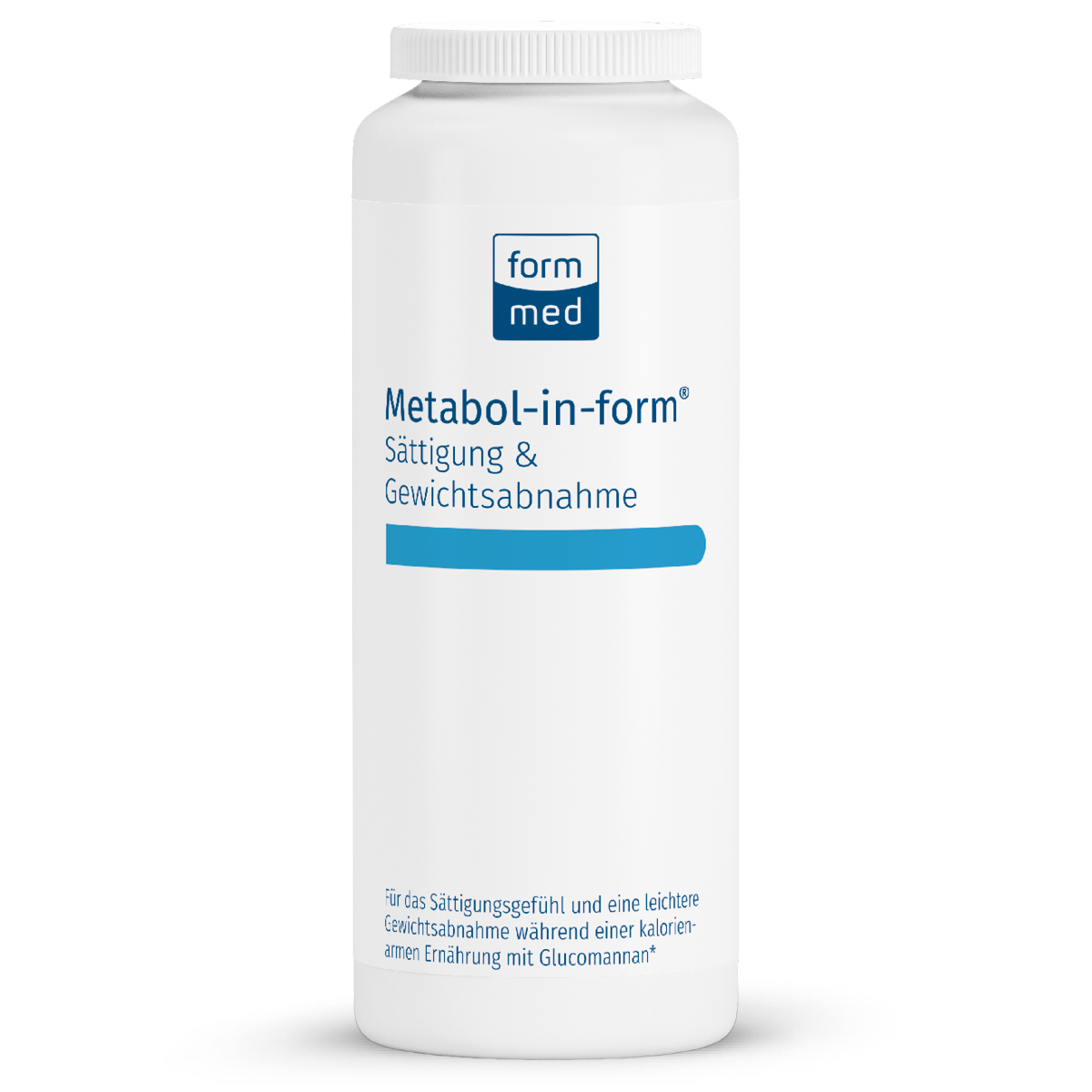
Ready for immediate dispatch - Delivery time approx. 1-3 days
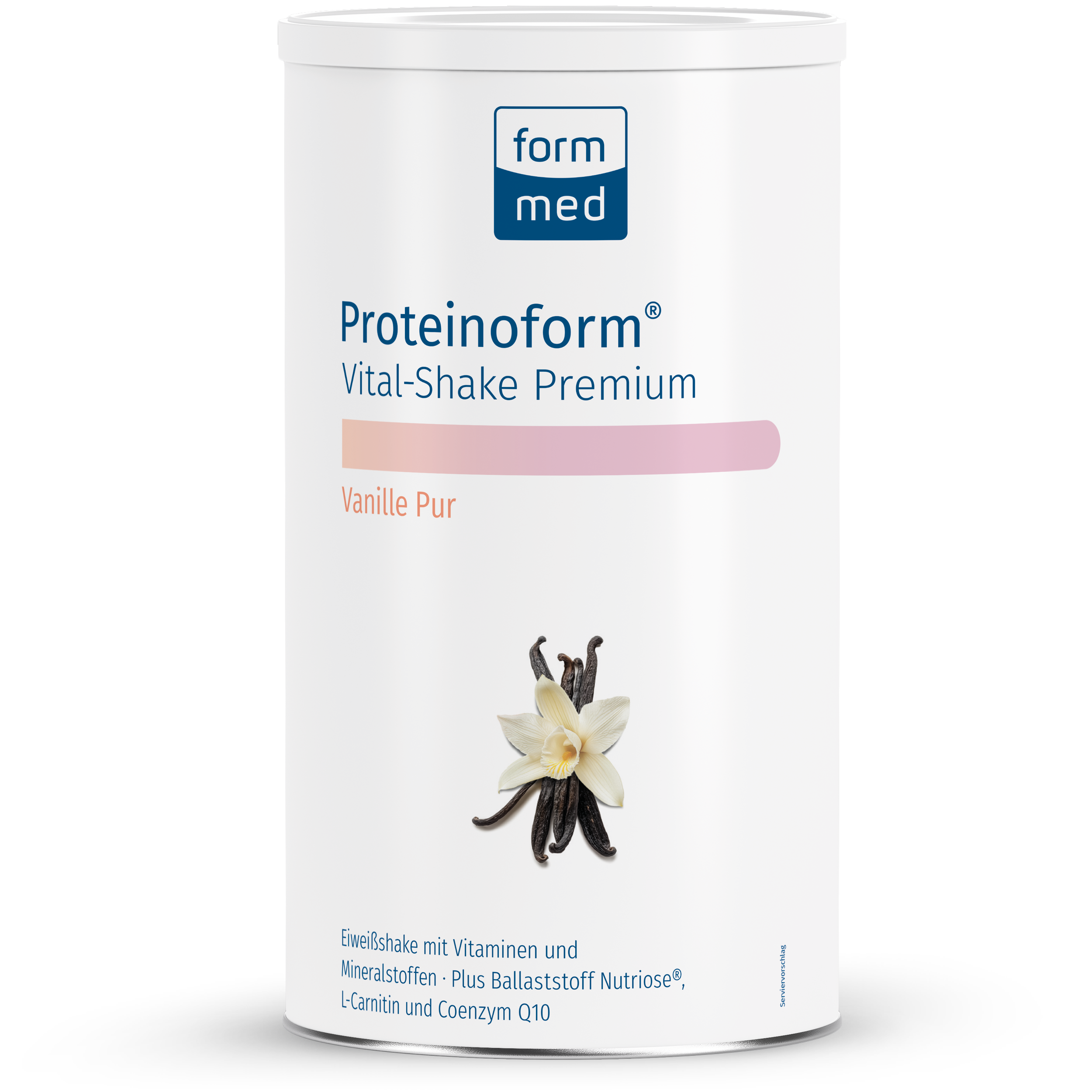
Refreshing, protein-rich shake with vanilla
Ready for immediate dispatch - Delivery time approx. 1-3 days
Micronutrients from Perimenopause Onwards
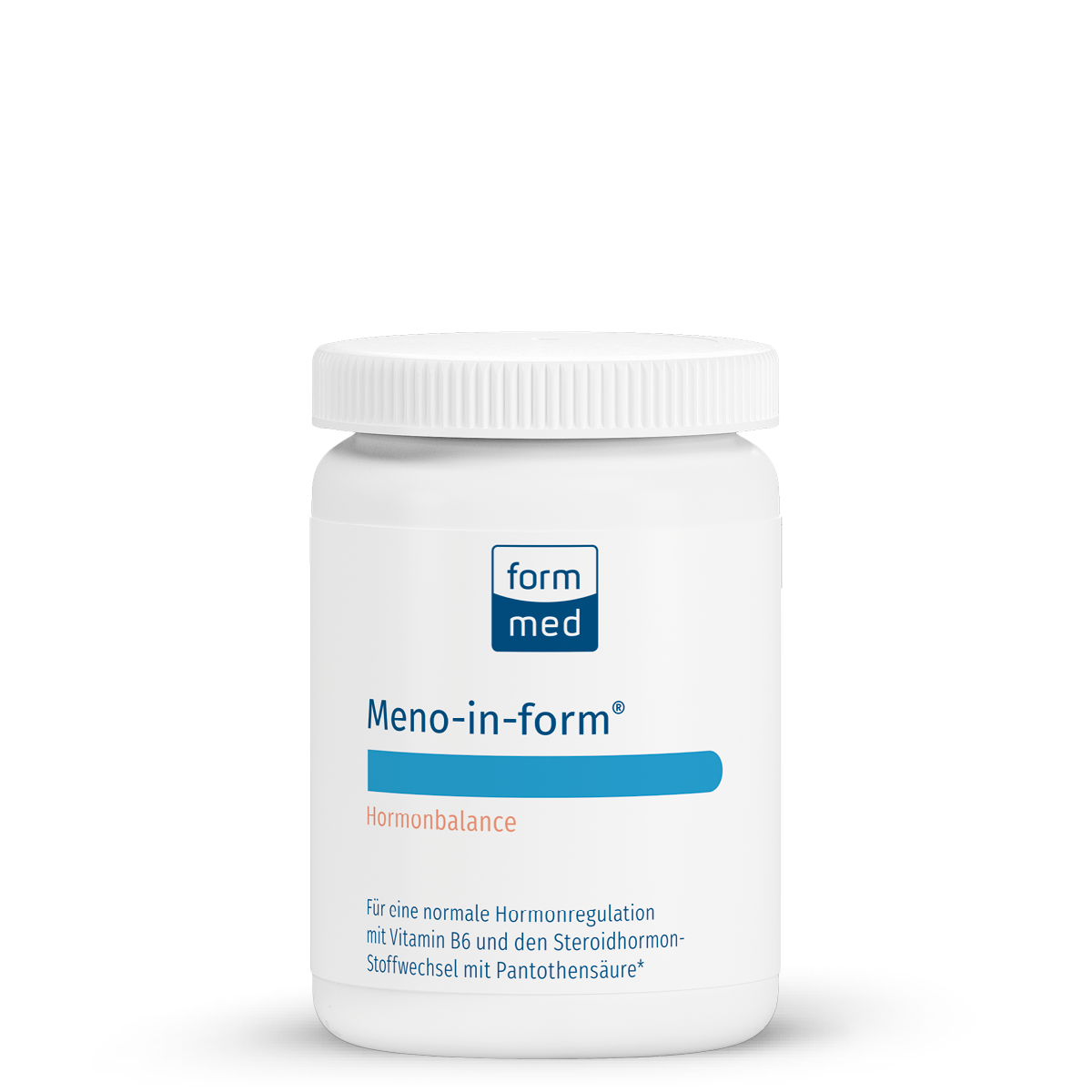
Ready for immediate dispatch - Delivery time approx. 1-3 days
Ready for immediate dispatch - Delivery time approx. 1-3 days
Vitamins and Minerals for Hormonal Balance and Mental Well-being
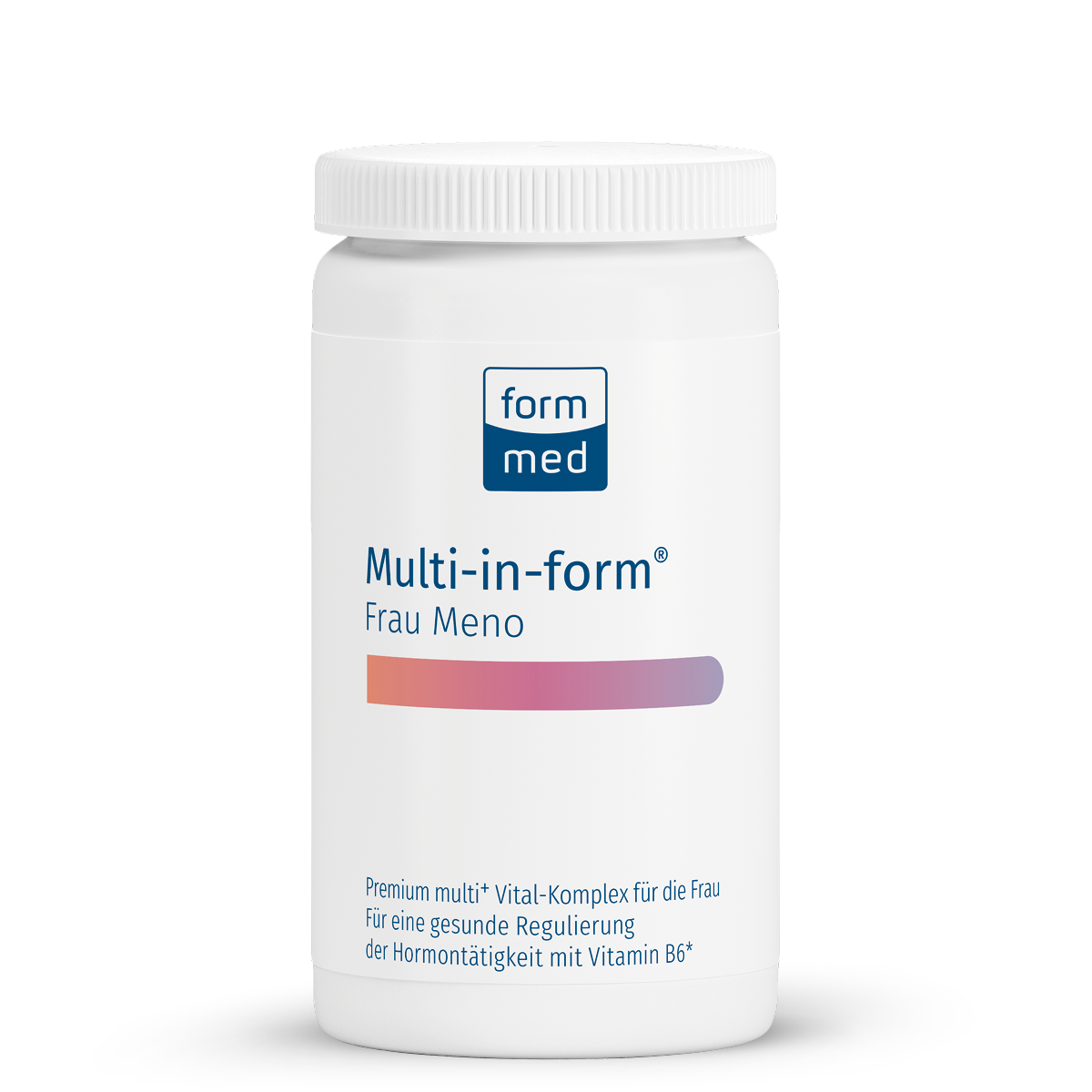
A micronutrient-rich diet is an ideal companion during menopause. Vitamin B6 plays a key role in regulating hormonal activity, while magnesium supports signal transmission between nerve cells and helps maintain mental well-being.
Menopause: Herbal Supplements
Popular medicinal plants for the early stages of menopause include chaste tree (Vitex agnus-castus), ashwagandha, lady’s mantle, yarrow, and wild yam—later, isoflavones, lignans, and sage become especially relevant.
References
Gopal, S. et al. (2021): Effect of an ashwagandha (Withania Somnifera) root extract on climacteric symptoms in women during perimenopause: A randomized, double-blind, placebo-controlled study. J Obstet Gynaecol Res. 47(12):4414-4425. https://pubmed.ncbi.nlm.nih.gov/34553463/
Hsu, C.-C. et al. (2011): The assessment of efficacy of Diascorea alata for menopausal symptom treatment in Taiwanese women. Climacteric. 14(1):132-9. https://pubmed.ncbi.nlm.nih.gov/20653397/
Jakimiuk, K. & Tomczyk, M. (2024): A review of the traditional uses, phytochemistry, pharmacology, and clinical evidence for the use of the genus Alchemilla (Rosaceae). J Ethnopharmacol. 320:117439. https://pubmed.ncbi.nlm.nih.gov/37981119/
Kang, I. et al. (2022): Effect of isoflavone supplementation on menopausal symptoms: a systematic review and meta-analysis of randomized controlled trials. Nutr Res Pract. 16(Suppl 1):S147-S159. https://pubmed.ncbi.nlm.nih.gov/35651836/
Lowcock, E. C. et al. (2013): Consumption of flaxseed, a rich source of lignans, is associated with reduced breast cancer risk. Cancer Causes Control. 24(4):813-6. https://pubmed.ncbi.nlm.nih.gov/23354422/
Moradi, M. et al. (2023): The Effect of Salvia Officinalis on Hot Flashes in Postmenopausal Women: A Systematic Review and Meta-Analysis. Int J Community Based Nurs Midwifery. 11(3):169-178. https://pubmed.ncbi.nlm.nih.gov/37489230/
Naseri, R. et al. (2019): Comparison of Vitex agnus-castus Extracts with Placebo in Reducing Menopausal Symptoms: A Randomized Double-Blind Study. Korean J Fam Med. 40(6):362–367. https://pmc.ncbi.nlm.nih.gov/articles/PMC6887765/
Porri, D. et al. (2021): Effect of magnesium supplementation on women's health and well-being. NFS Journal. 23. 30–36. https://www.sciencedirect.com/science/article/pii/S2352364621000079
Razavi, Z.S. et al. (2023): Achillea millefolium: Mechanism of action, pharmacokinetic, clinical drug-drug interactions and tolerability. Heliyon. 9(12):e22841. https://pubmed.ncbi.nlm.nih.gov/38076118/
Taku, K. et al. (2012): Extracted or synthesized soybean isoflavones reduce menopausal hot flash frequency and severity: systematic review and meta-analysis of randomized controlled trials. Menopause. 19(7):776-90. https://pubmed.ncbi.nlm.nih.gov/22433977/

 10% discount on your next order1Always free shipping2Personal discounts and offersExclusive content
 10% discount on your next order1Always free shipping2Personal discounts and offersExclusive content