Stay Fit on an Active Holiday – What Your Body Needs Right Now
Holiday time – a chance to relax, switch off and often also a time to stay active. Whether hiking in the mountains, cycling along the coast or surfing in the sea — physical activity is simply part of the experience for many people. Is it for you too?
Anyone who is physically active needs the right support from within. Unfamiliar exertion, heat and increased sweating place particular demands on muscles, metabolism and fluid balance. Micronutrients play an important role — for example in energy metabolism and muscle function. Here we show you which micronutrients can optimally support your active holiday — and, of course, any sporting activity throughout the year.
By the way: If you would like to receive regular updates about micronutrients and our supplements, we recommend our FormMed Select Benefits Programme. In addition to the FormMed News with up-to-date information, it offers many other valuable advantages! Of course, FormMed Select is completely free of charge and without obligation.
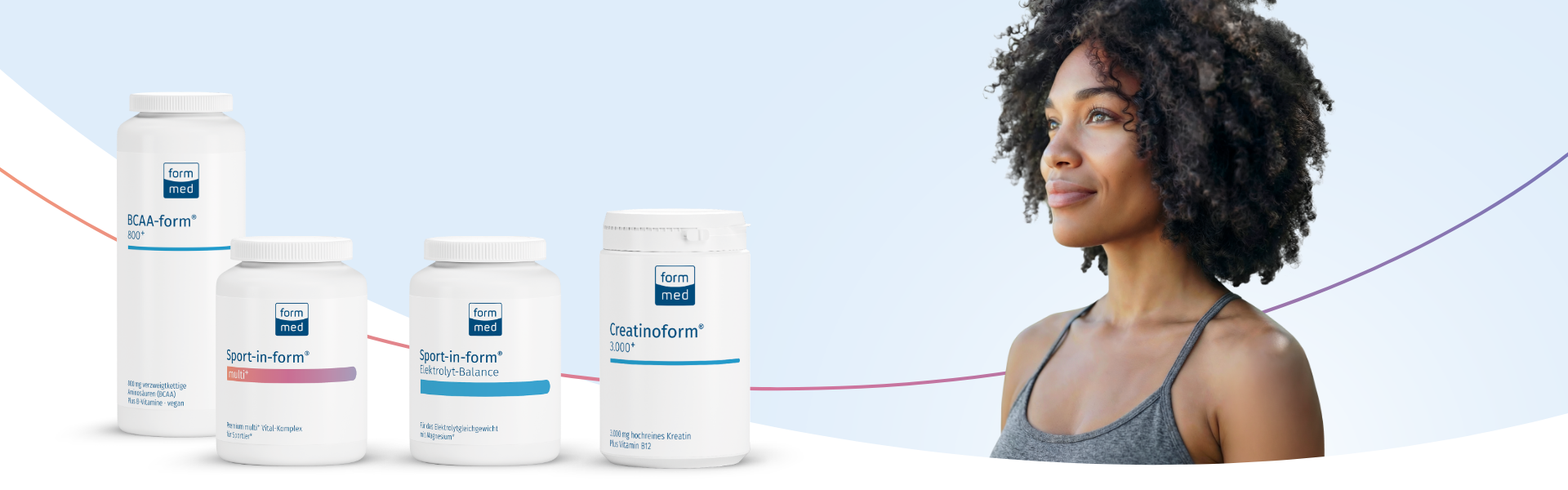
Always the Right FormMed Supplement
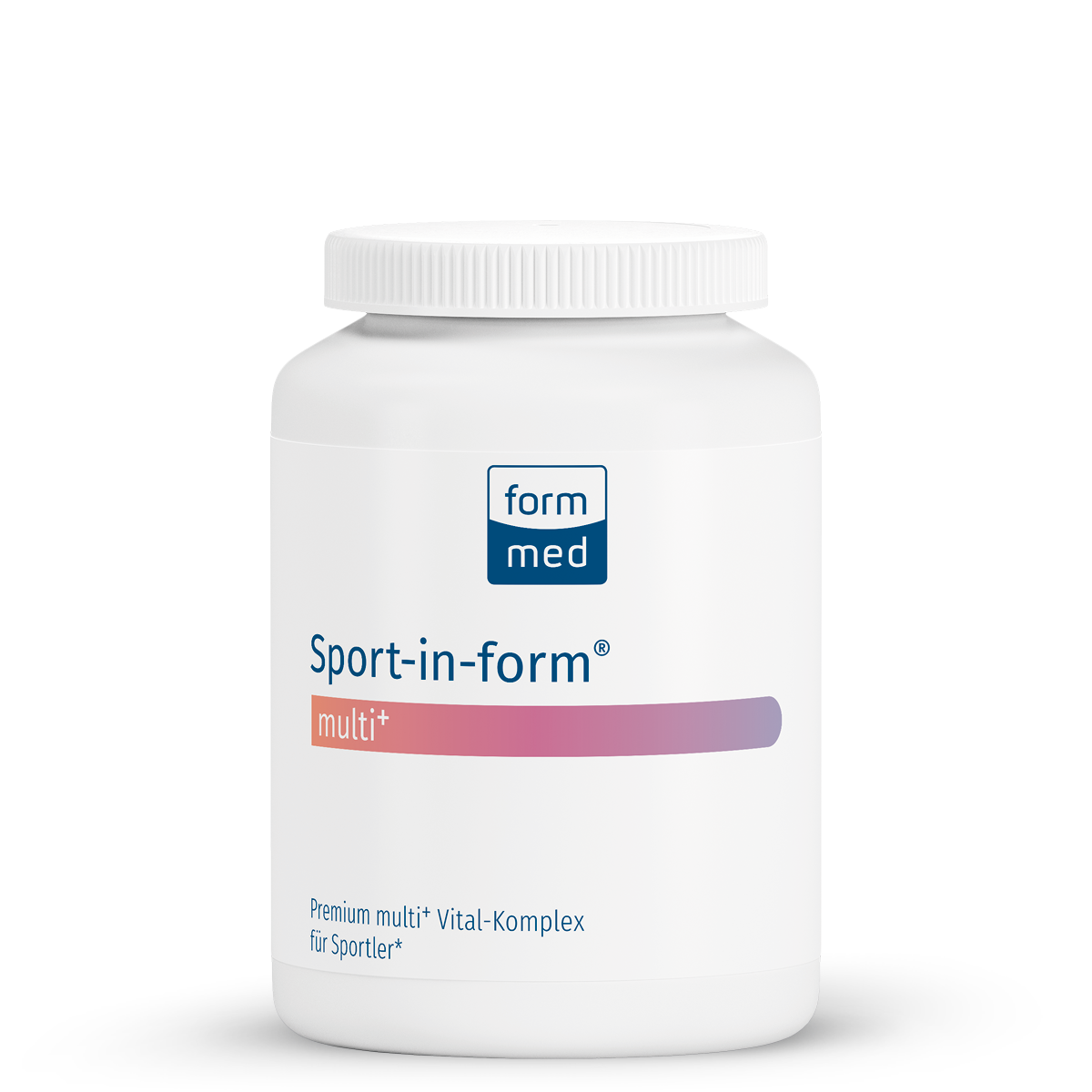
Ready for immediate dispatch - Delivery time approx. 1-3 days
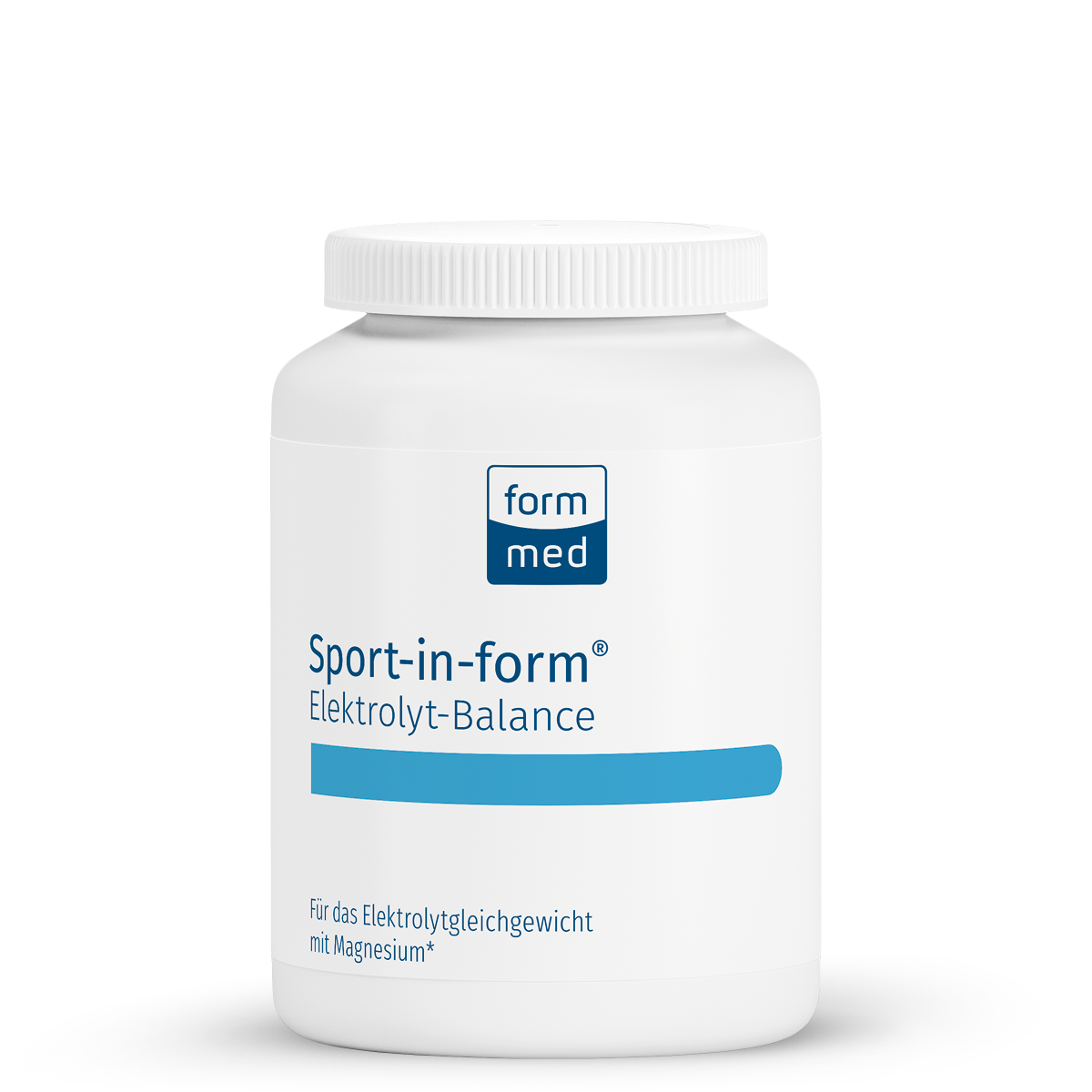
Ready for immediate dispatch - Delivery time approx. 1-3 days
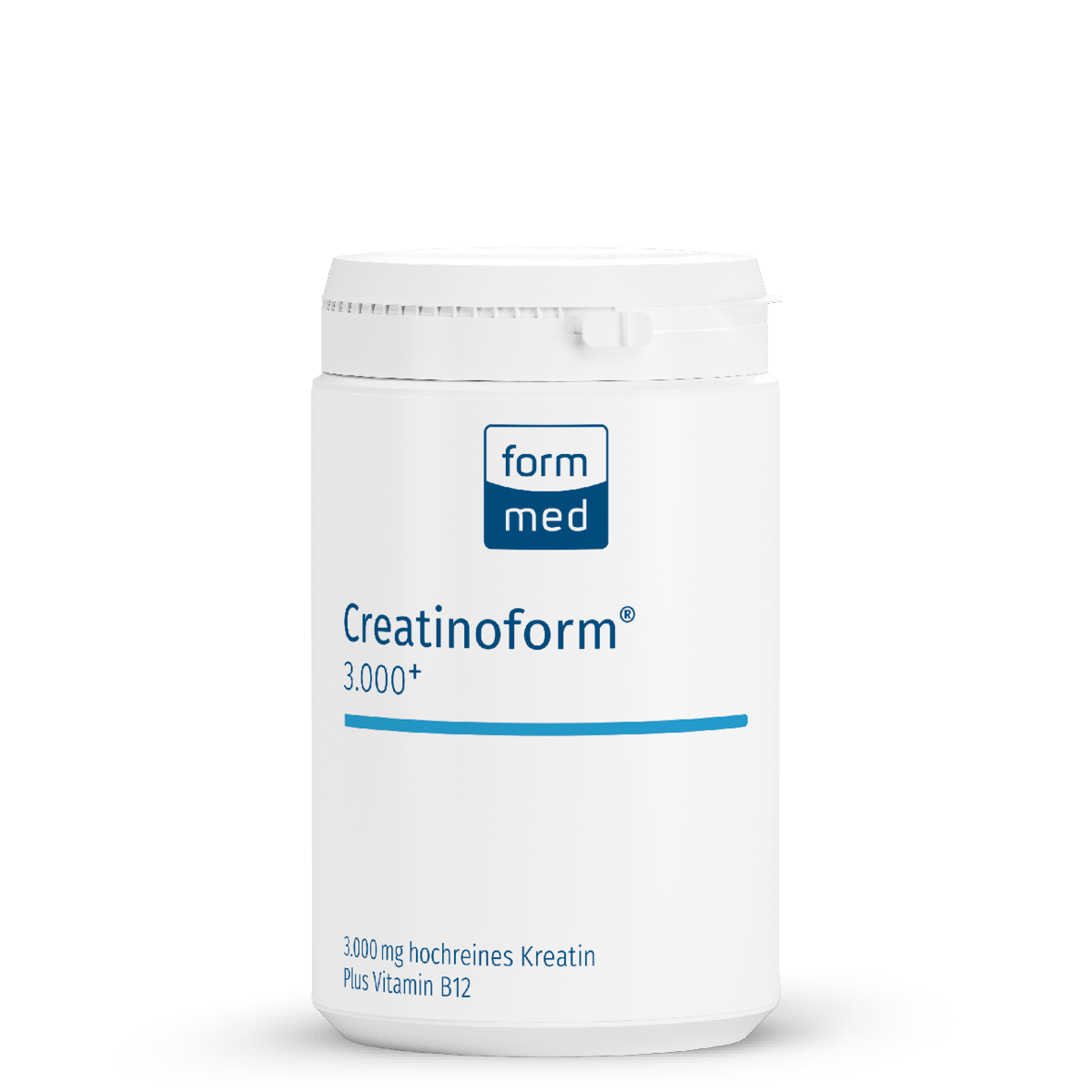
High-purity premium Creatine plus Vitamin B12
Ready for immediate dispatch - Delivery time approx. 1-3 days
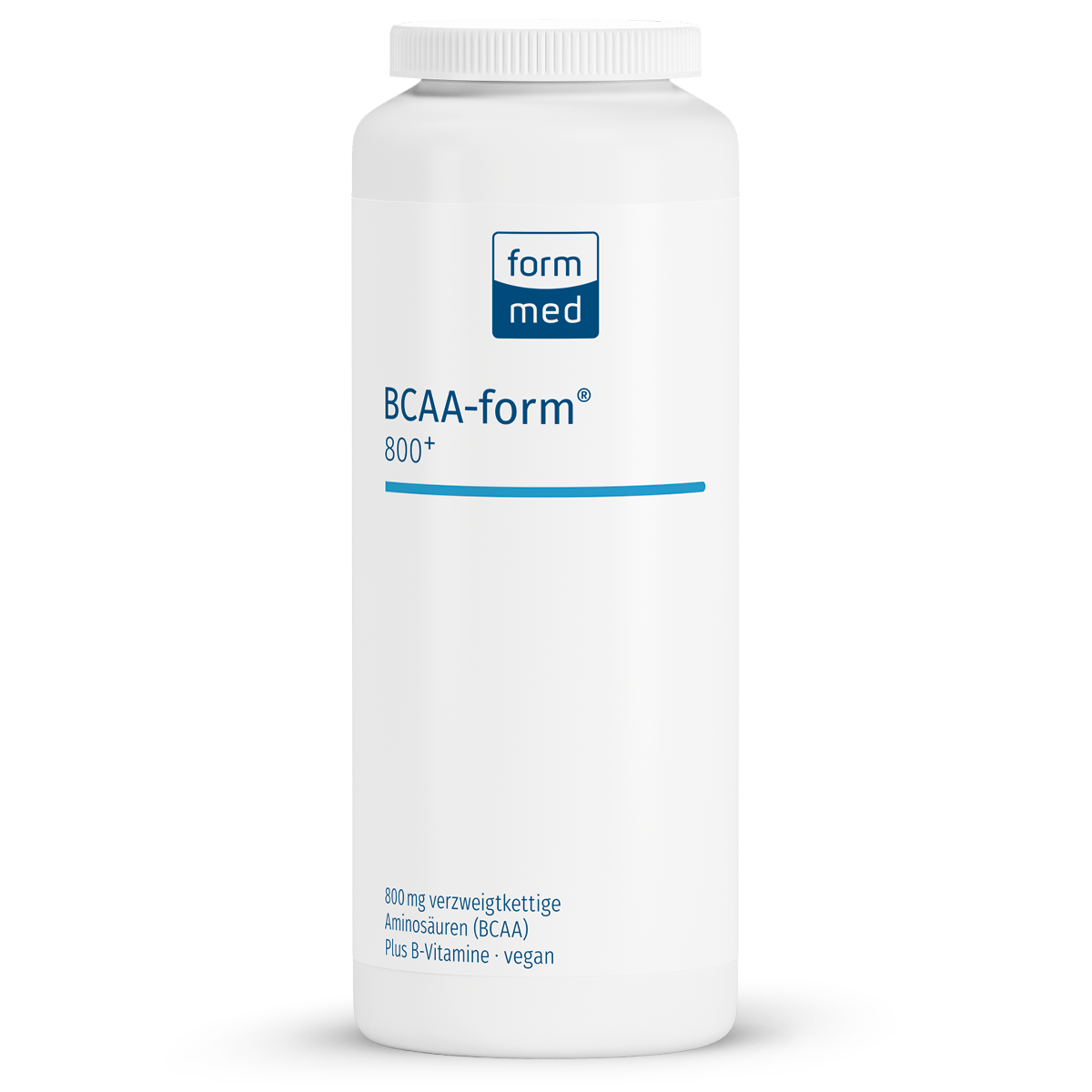
800 mg fermentative purest BCAA (branched-chain amino acids) plus B vitamins
Ready for immediate dispatch - Delivery time approx. 1-3 days
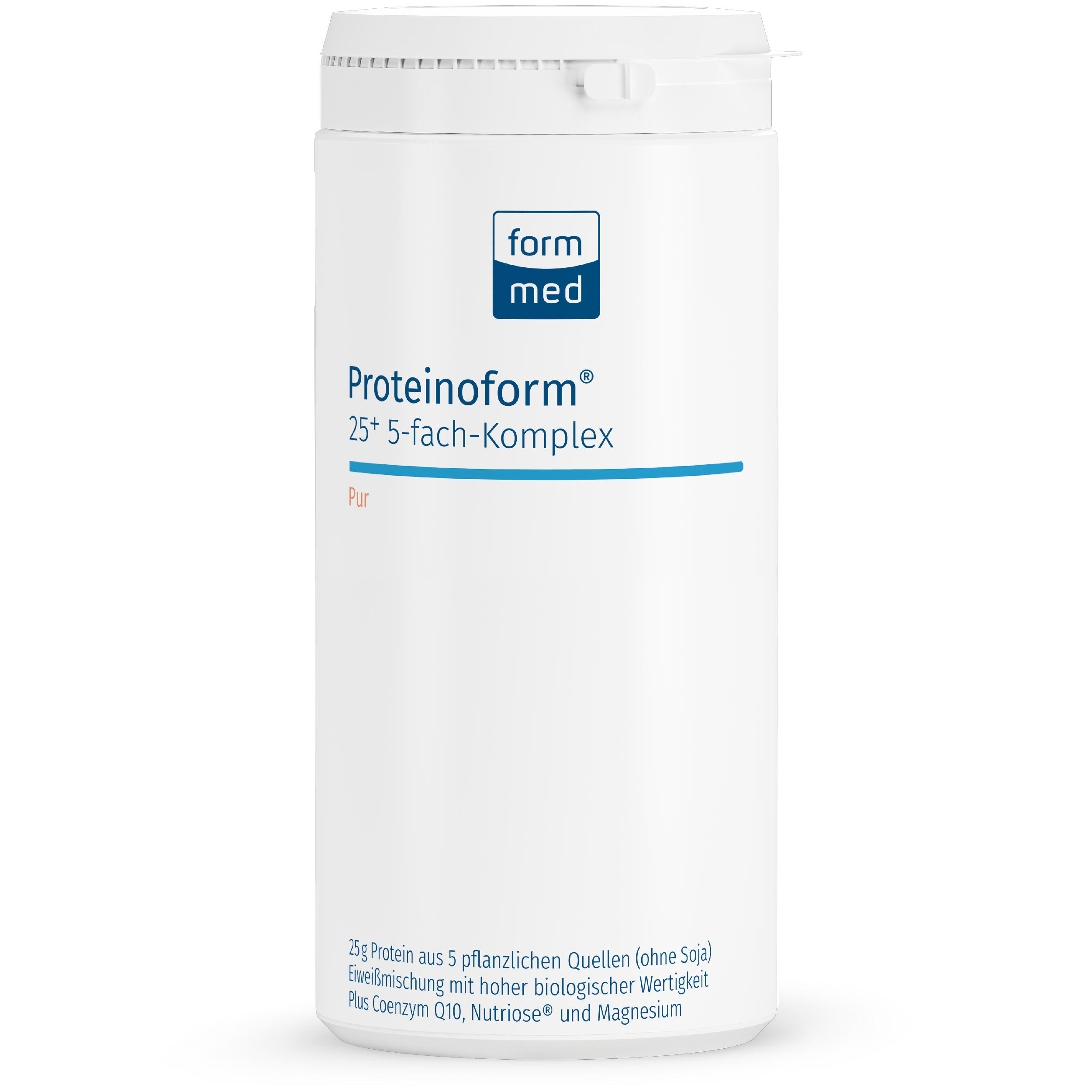
Ready for immediate dispatch - Delivery time approx. 1-3 days

Ready for immediate dispatch - Delivery time approx. 1-3 days

Ready for immediate dispatch - Delivery time approx. 1-3 days
Micronutrients for Energy Production in Muscle Cells
For muscles to function, they need energy. B vitamins help to provide this. They act as cofactors in energy metabolism and also play an important role in nerves, muscles and recovery after exercise.
In addition, three naturally occurring substances in the body play a special role:
Creatine serves as an energy store in the muscles. Particularly during short, intensive exertion such as strength training, it provides immediate energy.
Coenzyme Q10 is involved in converting energy from food into the body’s energy currency ATP.
L-carnitine plays a role in fat metabolism. It transports fatty acids into the body’s energy-producing powerhouses, where they are used to generate energy.
Building and Maintaining Muscles: The Role of Proteins and Amino Acids
Muscles are made of protein. The body therefore requires sufficient protein from the diet in order to build muscle.
The following protein building blocks (amino acids) have particularly important functions: the branched-chain amino acids (BCAAs) leucine, isoleucine and valine are incorporated directly into the muscle. Leucine in particular activates the “main switch” of muscle protein synthesis.
Minerals: What Sweating Does to the Body
Anyone who sweats loses not only water, but also important minerals (electrolytes) — especially in warm weather and during prolonged activity. It is therefore important to replace them quickly, as minerals perform essential functions:
Magnesium is indispensable for muscle function. Sweating and physical activity increase the body’s requirements.
Iron, as a component of the red blood pigment haemoglobin, is important for oxygen transport. Female athletes in particular have an increased requirement, as they also lose iron during menstruation.
Iodine is essential for normal thyroid function. The thyroid gland is involved in regulating the body’s energy metabolism.
Literature
Kreider, R. B. et al. (2017): International Society of Sports Nutrition position stand: safety and efficacy of creatine supplementation in exercise, sport, and medicine. J Int Soc Sports Nutr. 14:18. https://pubmed.ncbi.nlm.nih.gov/28615996/
Morton, R. W. et al. (2018): A systematic review, meta-analysis and meta-regression of the effect of protein supplementation on resistance training-induced gains in muscle mass and strength in healthy adults. Br J Sports Med. 52(6):376–384. https://pubmed.ncbi.nlm.nih.gov/28698222/
Poulios, A. et al. (2024): The Effects of Antioxidant Supplementation on Soccer Performance and Recovery: A Critical Review of the Available Evidence. Nutrients. 16(22):3803. https://pubmed.ncbi.nlm.nih.gov/39599590/
Rubeor, A. et al. (2018): Does Iron Supplementation Improve Performance in Iron-Deficient Nonanemic Athletes? Sports Health. 10(5):400–405. https://pmc.ncbi.nlm.nih.gov/articles/PMC6116100/
Smyth, P. P. und Duntas, L. H. (2005): Iodine uptake and loss-can frequent strenuous exercise induce iodine deficiency? Horm Metab Res. 37(9):555–558. https://pubmed.ncbi.nlm.nih.gov/16175493/
Tarsitano, M. G. et al. (2024): Effects of magnesium supplementation on muscle soreness in different type of physical activities: a systematic review. J Transl Med. 22(1):629. https://pubmed.ncbi.nlm.nih.gov/38970118/
Weber, M. G. et al. (2021): The use of BCAA to decrease delayed-onset muscle soreness after a single bout of exercise: a systematic review and meta-analysis. Amino Acids. 53(11):1663–1678. https://pubmed.ncbi.nlm.nih.gov/34669012/
 10 % Rabatt auf Ihre nächste BestellungImmer gratis VersandPersönliche Vergünstigungen und AngeboteExklusive Inhalte
 10 % Rabatt auf Ihre nächste BestellungImmer gratis VersandPersönliche Vergünstigungen und AngeboteExklusive Inhalte