Low Stomach Acid: Symptoms, Causes, and the Role of Betaine HCl
Table of Contents
- Functions of stomach acid: a central hub of digestion
- Low stomach acid – what does it mean?
- Which symptoms occur with low stomach acid?
- Causes of low stomach acid
- How can low stomach acid be diagnosed?
- Consequences: What happens if you have too little stomach acid?
- What can be done if you have low stomach acid?
- Conclusion: Understanding and addressing low stomach acid holistically
- Suitable FormMed Supplements
- References
When too little stomach acid is present, it is often overlooked—yet it represents a crucial step in digestion: stomach acid creates an acidic environment that prepares food for digestion, activates digestive enzymes, and helps make vitamins and minerals from food available. If too little stomach acid is produced, this can manifest after meals as non-specific symptoms such as a feeling of fullness and, in the long term, may even impair nutrient absorption.
In this guide, you will learn which additional symptoms may occur with low stomach acid, what underlying causes may be involved, what you can do in everyday life to support your digestion, and what role betaine HCl plays.
Functions of stomach acid: a central hub of digestion
For digestion to proceed smoothly, the stomach produces hydrochloric acid. This creates an acidic environment that forms the basis for efficient nutrient utilization. The key functions of stomach acid include:
- Pre-digestion of food: Stomach acid helps soften solid food in the stomach. Proteins from foods such as meat, fish, or legumes can therefore be broken down more easily into smaller components.
- Activation of digestive enzymes: Some enzymes can only become active in an acidic environment.
- Release of essential nutrients: An acidic gastric environment makes it easier for the body to absorb certain vitamins and minerals such as vitamin B12, iron, calcium, and zinc from food.
- Natural protective function in the stomach: Stomach acid helps neutralize unwanted bacteria, viruses, and fungi from food, thereby reducing the burden on the immune system.
- Regulation of subsequent digestion: Only when food is sufficiently mixed with stomach acid is it gradually passed on to the small intestine. From there, nutrients enter the bloodstream.
Stomach acid is therefore a vital component of digestion. If its production is insufficient, these processes can become imbalanced.
Low stomach acid – what does it mean?
Which symptoms occur with low stomach acid?
The symptoms are often non-specific and therefore not immediately associated with low stomach acid. They frequently occur after meals.
Possible symptoms of low stomach acid include:
- Feeling of fullness: If food is not sufficiently acidified in the stomach, it remains there longer. The stomach may quickly feel “overloaded.”
- Belching: Delayed gastric emptying can cause air to accumulate in the stomach, leading to frequent belching.
- Heartburn: Not only excess stomach acid, but also insufficient acid can irritate the sphincter between the stomach and esophagus.
- Nausea: If food remains in the stomach for too long or is passed on unevenly, nausea may occur.
- Bloating: If insufficiently prepared food reaches the intestines, increased gas formation may result.
- Diarrhea or constipation: Changes in the transit time of food through the intestines can manifest as diarrhea or constipation.
- Changes in stool color: If fats in particular are inadequately digested due to low stomach acid, this may present as lighter or yellowish stool. This is referred to as fatty stool.
Causes of low stomach acid
A deficiency of stomach acid may have the following causes:
- Medications: Long-term use of acid blockers such as antacids or proton pump inhibitors for heartburn can reduce the body’s natural production of stomach acid.
- Chronic stress: Persistent physical or mental stress can inhibit digestive processes and impair acid production.
- Aging: As people get older, stomach acid production naturally declines in many individuals.
- Certain infections: Bacteria such as Helicobacter pylori can damage the gastric mucosa and thereby reduce acid production.
- Autoimmune processes: In some cases, the immune system targets the stomach lining itself—for example in chronic type A gastritis. Damage to the mucosa can lead to reduced stomach acid production.
- Disorders of the thyroid and adrenal glands: Changes in hormonal balance can also affect digestion in some people.
- Diet: Highly processed foods and excessive sugar intake may negatively affect stomach acid production.
- Micronutrient deficiency: Inadequate intake of nutrients such as zinc can impair acid production. Zinc acts as a cofactor for enzymes involved in acid–base balance.
In practice, these factors often interact, allowing low stomach acid to develop gradually. A holistic perspective can help to better understand possible underlying connections.
How can low stomach acid be diagnosed?
Because low stomach acid usually develops gradually, it often remains undetected for a long time. The symptoms tend to be non-specific and may also have other causes.
Whether too little stomach acid is actually present can be assessed most reliably by a physician. The first step involves discussing symptoms, dietary habits, and possible influencing factors such as stress and medication use. If necessary, the physician may carry out further tests. These include measuring the pH level in the stomach using a special probe.
A home test, for example using baking soda, does not replace a medical evaluation. Anyone who experiences persistent digestive symptoms or suspects low stomach acid should have this assessed by a healthcare professional.
Consequences: What happens if you have too little stomach acid?
If too little stomach acid is produced over a prolonged period, key digestive functions can no longer be performed optimally. The effects usually do not appear immediately but primarily affect long-term health.
Reduced protective function against pathogens
The acidic environment in the stomach acts as a natural protective barrier in the digestive tract. When sufficient hydrochloric acid is present, bacteria, viruses, and fungi ingested with food are already inhibited in their activity in the stomach.
If acid production is reduced for a long time, this protective barrier can be weakened. As a result, unwanted pathogens can pass through the stomach more easily and reach the intestines, where they may more readily cause infections or promote small intestinal bacterial overgrowth (SIBO).
Altered utilization of proteins and fats
Stomach acid is required to activate the digestive enzyme pepsin, which is responsible for breaking down proteins. Pepsin can only function properly in a sufficiently acidic environment. If stomach acid is lacking, proteins from food cannot be optimally digested. As a result, fewer amino acids are available to the body—substances it needs to build and renew its own tissues.
The utilization of fats may also be indirectly impaired. When too little stomach acid is present, the food bolus is not optimally prepared for further digestion. Consequently, downstream processes in the small intestine involving bile and digestive enzymes may be less efficient. This can be particularly critical for the supply of health-promoting omega-3 fatty acids.
Micronutrient supply: Which vitamins and minerals may be lacking with low stomach acid?
In foods, vitamins and minerals are often bound to proteins, fats, or plant fibers. In the stomach, gastric acid helps release these compounds and make micronutrients available for absorption.
If the gastric environment is less acidic over an extended period, this process is impaired. Certain vitamins and minerals may then not be available to the body in sufficient amounts.
This particularly affects:
- Vitamin B12
- Folate
- Calcium
- Iron
- Magnesium
- Zinc
A vitamin and mineral deficiency can impair health in the long term. Depending on which micronutrient is affected, possible symptoms include fatigue and exhaustion, difficulty concentrating, nerve-related symptoms, and frequent infections.
What can be done if you have low stomach acid?
In cases of low stomach acid, a holistic view of diet and lifestyle is important. Even small changes in everyday habits can help support digestion.
In addition to a balanced food selection, stress levels in daily life also play a role: chronic stress literally upsets the stomach for many people. For this reason, it can be helpful to incorporate more rest breaks and relaxation into everyday life.
Equally important is a cautious approach to acid blockers such as antacids or proton pump inhibitors. Anyone who regularly uses these medications for heartburn should consult a physician or therapist to determine whether long-term use is truly necessary or whether alternatives are available.
Adjusting the diet
A varied, balanced diet forms the foundation for well-regulated digestion. It is particularly important to supply the body with sufficient vitamins and minerals—especially those whose absorption depends on an acidic gastric environment. An ideal approach is a healthy balance of plant-based and animal-based foods, with an emphasis on a predominantly plant-based diet.
The following tips may also be helpful:
- Regular, light meals instead of large, heavy portions
- Mindful eating with enough time for thorough chewing
- Limiting highly processed foods, sugar, and alcohol
- A balanced combination of proteins, fats, and carbohydrates
- Regular consumption of vegetables and spices that contain bitter compounds and are traditionally used to support digestion—for example artichoke, dandelion, and ginger
- Avoid drinking large amounts during meals so that liquids do not further increase the stomach’s pH level
A varied diet therefore not only helps ensure an adequate supply of nutrients, but can also support healthy digestion.
Betaine HCl: what effect does it have in the body?
Betaine hydrochloride (betaine HCl) is a natural component of gastric juice. It serves as a source of acid, as it is a compound of betaine and hydrochloric acid (HCl). Betaine occurs naturally in foods such as beetroot.
From a chemical perspective, betaine in this compound acts as a carrier molecule for hydrochloric acid. In aqueous solution, betaine HCl dissociates into its components, releasing protons (H⁺). This can increase acidity in the stomach or lower the pH value.
Betaine HCl is also available as a dietary supplement in capsule form. To determine on an individual basis whether supplementation is appropriate and at what dosage, consultation with a physician or therapist is recommended.

Conclusion: Understanding and addressing low stomach acid holistically
Stomach acid is a central “control point” of digestion: it prepares food, activates digestive enzymes, and helps make nutrients available. If too little stomach acid is produced over a longer period, this may initially manifest as non-specific symptoms after meals—and in the long term may impair nutrient status and the natural protective barrier of the digestive tract.
What matters most is that the causes are diverse, ranging from stress and aging processes to diet and micronutrient deficiencies, as well as medications or changes in the gastric mucosa. For this reason, persistent symptoms should always be medically evaluated.
In everyday life, a plant-focused, varied diet, mindful eating, and effective stress management can help support digestion. Anyone who regularly takes acid blockers should review their necessity together with a physician or therapist. In addition, betaine HCl capsules may be an option—ideally following medical consultation to assess individual benefits and appropriate dosage.
Suitable FormMed Supplements

Vegan enzyme complex with lactase for digestion
Ready for immediate dispatch - Delivery time approx. 3-6 days
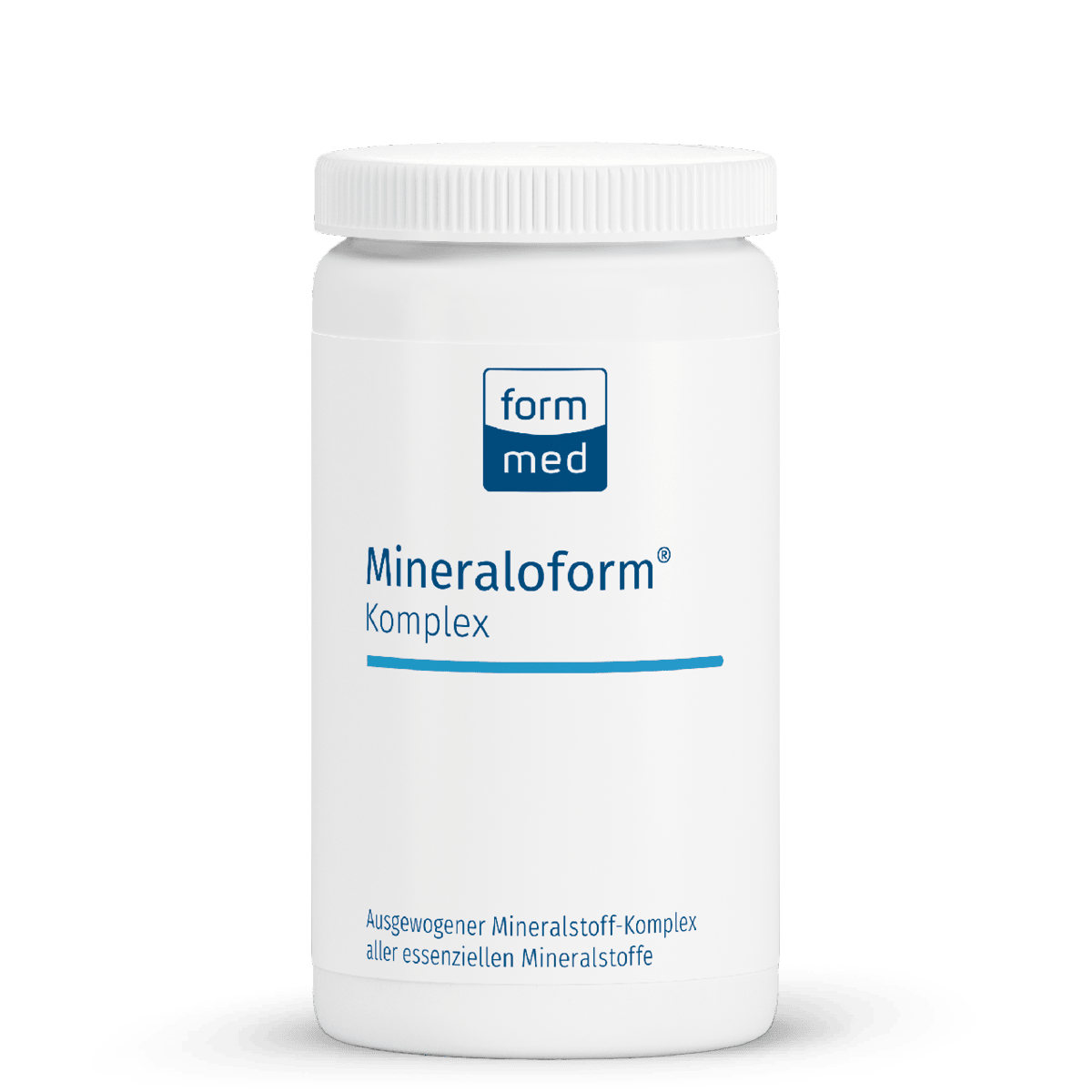
Balanced mineral complex of all essential minerals
Ready for immediate dispatch - Delivery time approx. 1-3 days
References
Biesalski, H. K. (2024): Vitamine, Spurenelemente und Minerale. Indikation, Diagnostik, Therapie. 3. aktualisierte und erweiterte Auflage. Georg Thieme Verlag KG Stuttgart.
Filardo, S. et al. (2022): The Potential Role of Hypochlorhydria in the Development of Duodenal Dysbiosis: A Preliminary Report. Front Cell Infect Microbiol. 12:854904. https://pubmed.ncbi.nlm.nih.gov/35521214/
Gröber, U. (2011): Mikronährstoffe. Metabolic Tuning – Prävention – Therapie. 3. aktualisierte und erweiterte Auflage. Wissenschaftliche Verlagsgesellschaft mbH Stuttgart.
Guilliams, T. G. und Drake, L. E. (2021) Meal-Time Supplementation with Betaine HCl for Functional Hypochlorhydria: What is the Evidence? Integr Med (Encinitas). 19(1):32-36. https://pubmed.ncbi.nlm.nih.gov/32549862/
Koyyada, A. (2021) Long-term use of proton pump inhibitors as a risk factor for various adverse manifestations. Therapie. 76(1):13-21. https://pubmed.ncbi.nlm.nih.gov/32718584/
Yago, M. R. et al. (2013) Gastric reacidification with betaine HCl in healthy volunteers with rabeprazole-induced hypochlorhydria. Mol Pharm. 4;10(11):4032-7. https://pubmed.ncbi.nlm.nih.gov/23980906/