

Acute Diarrhea: The Best Home Remedies, Electrolytes, and the Right Diet
Table of Contents
- Ab wann spricht man von Durchfall?
- Die häufigsten Ursachen: Woher kommt der Durchfall?
- Akute Hilfe: Die 3 wichtigsten Schritte bei Durchfall
- Mythos Cola und Salzstangen: Warum dieses Hausmittel schadet
- Nach dem Durchfall: So erholt sich die Darmflora
- Wann zum Arzt? Wichtige Warnsignale
- Fazit: Den Körper bei Durchfall unterstützen
- Häufige Fragen bei Durchfall
- Gut versorgt mit passenden Mikronährstoffen
- Literatur
Diarrhea is unpleasant – but in most cases it is a useful protective mechanism: The bowel speeds up its movements and releases more fluid in order to get rid of pathogens or toxins quickly. The actual risk is not the diarrhea itself, but the associated loss of water and minerals (electrolytes). That is why the most important immediate measure for acute diarrhea is: drink enough and replenish electrolytes.
In this guide, you will learn which home remedies really help, what role electrolytes play, which foods are well tolerated during diarrhea – and when a visit to the doctor is necessary.
When is it considered diarrhea?
Medically, diarrhea is present when bowel movements occur more than three times a day and are mushy, thin or watery. It is often accompanied by nausea, vomiting, abdominal cramps or bloating. In more severe cases, fever, circulatory problems and severe exhaustion may occur.
Three forms are distinguished:
- Acute diarrhea occurs suddenly and usually lasts only a few days to a maximum of two weeks.
- Persistent diarrhea lasts longer than two weeks, but less than four weeks.
- Chronic diarrhea is present when symptoms last longer than four weeks – in this case, food intolerances, inflammatory bowel diseases or other conditions may be the cause.
The most common causes: Where does diarrhea come from?
The most common cause of diarrhea is a gastrointestinal infection. The triggers are usually viruses – above all noroviruses and rotaviruses. Bacteria such as salmonella or campylobacter are also common, while parasites are less frequent. Spoiled food can also trigger severe diarrhea within a short time.
In addition, there are causes without an infection. In functional disorders such as irritable bowel syndrome, bowel activity is disturbed without any organic findings. Stress and nervousness can also measurably accelerate bowel activity because the nervous system of the gut communicates directly with the brain. This is also referred to as the gut-brain axis.
Other causes at a glance
- Food intolerances: lactose or fructose intolerance, celiac disease
- Chronic inflammatory bowel diseases: Crohn’s disease, ulcerative colitis
- Overactive thyroid gland (hyperthyroidism)
- Impaired digestion (malassimilation) or pancreatic diseases
- Circulatory disorders of the bowel
- Tumors, polyps, diverticulitis
- Chemotherapy or radiation therapy
For most causes, the same basic principle applies: diarrhea occurs due to accelerated bowel movement. As a result, the stool is no longer sufficiently thickened and more fluid is excreted. In addition, there is osmotically induced diarrhea. In this case, a substance such as fructose or sorbitol retains water in the bowel, so the contents remain liquid. In some infections, the bowel also actively releases water. In all cases, however, the bowel is trying to cleanse itself.
Can medications trigger diarrhea?
Diarrhea is a common side effect of various medications. These include painkillers such as ibuprofen or diclofenac (NSAIDs), antidiabetics such as metformin, and some psychotropic drugs such as lithium or sertraline. Whether a medication may be the trigger can be checked in the package leaflet or clarified with the treating doctor.
Antibiotics are a special case: They not only damage disease-causing bacteria, but also influence the natural gut flora. As a result, diarrhea can occur not only during use, but also after treatment has been completed.
Acute help: The 3 most important steps for diarrhea
In acute diarrhea, three things are especially important: balancing fluid and electrolyte levels, supporting the bowel with suitable measures and adjusting nutrition. The following steps help relieve the body during the acute phase.
Step 1: Replenish fluids and electrolytes
In acute diarrhea – especially when it is watery – the body loses large amounts of water and minerals (electrolytes) within a short time. Still water alone is not enough – and mineral water also provides electrolytes only in small and inconsistent amounts. The bowel needs a specific balance of sodium, potassium, chloride and magnesium in order to efficiently absorb fluid again. If these electrolytes are missing, rehydration remains inefficient – no matter how much you drink.
Special electrolyte solutions with sodium, potassium and other minerals are best suited. Many also contain glucose, which activates a transport mechanism in the intestinal mucosa and improves water absorption. However, there are also sugar-free electrolyte preparations available, for example for athletes or people with diabetes. Drink small amounts regularly throughout the day – this is more effective than large amounts at once.
Step 2: The best home remedies for diarrhea
In diarrhea, the bowel can be supported with targeted home remedies. Many of them have been used for generations – and some have now also been scientifically studied. They can bind excess fluid, soothe the intestinal mucosa or relieve cramps.
Traditional home remedies for diarrhea include:
- grated apple – contains pectin, a fiber that swells in the bowel and binds water. Grate the apple and let it stand briefly until it turns brownish – during this process, ingredients oxidize that are responsible for the binding effect.
- ripe banana – easy to tolerate, provides potassium and contains resistant starch, which calms bowel activity.
- dried blueberries – contain pectin as well as tannins that soothe the intestinal mucosa.
- psyllium husks – swell in the bowel and bind excess fluid. They are taken with a glass of water.
- chamomile, fennel or caraway tea – have an antispasmodic effect and soothe the stomach and bowel.
- heat – a hot water bottle on the abdomen relaxes the muscles and relieves cramps.
Researchers are also investigating whether yeast preparations with Saccharomyces boulardii can support the gut flora during diarrhea. Yeast may be able to bind toxins from disease-causing bacteria in the bowel.
Step 3: The right light diet – what to eat with diarrhea?
In acute diarrhea, the digestive organs are under strain. Food should therefore be easy to tolerate, low in fat and easy to digest – this relieves the bowel while also providing energy for regeneration.
Well-tolerated foods for diarrhea include:
- Cooked white rice or rice porridge – easy to digest, binds fluid in the bowel
- Cooked potatoes – prepared without fat, well tolerated and filling
- Oatmeal porridge – contains soluble fiber that can soothe the bowel
- Light chicken or vegetable broth – provides fluid and minerals
- Cooked and pureed carrots – well tolerated, provide energy, bind fluid
- White bread or rusks – stale, without toppings, easy to digest
Important: The diet should not remain highly restricted for too long. Small, frequent meals are better than eating nothing.
Myth: cola and pretzel sticks – why this home remedy is harmful
“Cola and pretzel sticks for diarrhea” is one of the most persistent home remedy myths. However, this advice is not recommended.
Cola contains around ten grams of sugar per 100 milliliters – significantly more than the intestinal mucosa can sensibly use during diarrhea. Such a high sugar concentration draws additional water into the bowel instead of bringing it back. In addition, the caffeine content further stimulates bowel activity, while carbon dioxide can promote bloating and cramps.
Pretzel sticks do provide sodium, but hardly any potassium – and the electrolyte ratio is not right.
Special electrolyte solutions are the much better choice.
After diarrhea: How the gut flora recovers
Acute diarrhea damages the bowel: The natural microbiome can get out of balance after an infection. Medically, this is referred to as dysbiosis. This is not only about individual bacterial strains decreasing – diversity can also be temporarily restricted.
The most important basis for microbiome recovery is a varied, high-fiber diet. Soluble fiber – for example from oats, flaxseed or vegetables – serves as a food source for gut bacteria.
In addition, researchers are investigating whether targeted intake of bacterial strains from the genera Lactobacillus and Bifidobacterium after infections can help support the balance of the gut flora. Several randomized controlled studies on this have been evaluated in a meta-analysis – with positive results.
Above all, high-quality synbiotics – preparations that combine live bacterial strains with suitable prebiotic fibers – can be useful.
FormMed tip
Not every probiotic is the same: For targeted rebuilding after an infection, what matters is a scientifically grounded selection of bacteria, a guaranteed viable count until the best-before date and a stable formulation. Darm-in-form Flora® direkt was developed precisely for this – with the yeast Saccharomyces boulardii, 4 bacterial strains and resistant corn dextrin, manufactured according to GMP standards and free from lactose, gluten and fructose.
You can find more about quality criteria for probiotics as well as rebuilding the gut flora after an infection in the FormMed guides on this topic.
When to see a doctor? Important warning signs
In most cases, acute diarrhea subsides within a few days. In the following situations, however, medical evaluation is necessary:
- Blood or pus in the stool
- Uncontrollable vomiting
- High fever above 38.5 °C
- Severe abdominal pain or cramps without improvement
- Severe diarrhea lasting longer than two to three days
- Milder diarrhea lasting longer than 14 days
- Signs of dehydration: dry mucous membranes, dark urine, dizziness, racing heart or fainting
- Pregnant women, infants, young children or people over 70 years of age
- Accompanying conditions such as immune deficiency or diabetes
- Return from a long-distance travel destination – especially with simultaneous fever or blood in the stool
A doctor can assess whether diarrhea medication is useful or whether further diagnostics are necessary.
Conclusion: Supporting the body during diarrhea
In acute diarrhea, the body quickly loses a lot of fluid and electrolytes. That is why sufficient drinking with electrolyte solutions is the most important immediate measure. Proven home remedies such as chamomile tea, grated apple or psyllium husks can additionally support the bowel.
Nutrition also plays an important role: Easily tolerated, low-fat foods such as rice, potatoes or oatmeal porridge relieve the bowel and provide energy for regeneration. As soon as the bowel tolerates it, you should gradually return to a normal diet. For the recovery of the gut flora afterwards, high-quality synbiotics with lactobacilli, bifidobacteria, Saccharomyces boulardii and fiber can be a useful addition – provided that viable count, stability and bacterial selection are right.
Frequently asked questions about diarrhea
First and foremost: replenish electrolytes. Electrolyte solutions are more suitable than still water alone. Home remedies such as chamomile tea, grated apple or psyllium husks can provide additional support. Heat on the abdomen can relieve cramps.
If needed, loperamide is available as an over-the-counter medicine from the pharmacy – it slows bowel movement and extends the time during which water can be absorbed. In the case of infectious diarrhea with fever or blood in the stool, it should only be taken after consulting a doctor.
Watery diarrhea means a particularly high loss of fluids and electrolytes – replenishment with electrolyte solutions should therefore come first.
Psyllium husks or flaxseed can be used additionally: They swell in the bowel and bind excess fluid. If the diarrhea needs to be controlled quickly, loperamide can be used.
In the case of very severe diarrhea, high fever or signs of dehydration, medical evaluation is necessary.
Special electrolyte solutions are best suited, as they contain water, salts and glucose in a balanced ratio. The glucose activates a transport mechanism in the intestinal mucosa that improves sodium absorption – and thus water absorption. Sugar-free variants are also available.
Unsweetened herbal teas such as chamomile or peppermint are suitable as additional drinks.
Fatty, fried or heavily seasoned foods, raw vegetables and large amounts of fructose are unfavorable. Sugar substitutes such as xylitol or sorbitol – for example in chewing gum – can have a laxative effect and should be avoided.
For drinks, the following applies: caffeine, alcohol and carbonated drinks further irritate the bowel.
It is better not to. Caffeine stimulates bowel activity and has a mild diuretic effect – both are counterproductive in diarrhea. Herbal teas such as chamomile, peppermint or fennel as well as electrolyte solutions are better suited.
Acute diarrhea is often a protective mechanism: The body is trying to eliminate pathogens. Stopping it with medication is therefore not always useful, as it can delay the elimination of pathogens.
For functional diarrhea – for example due to stress – and when diarrhea needs to be controlled quickly, over-the-counter medicines from the pharmacy are available:
- Loperamide – slows bowel movement and prolongs transit time so that more water can be absorbed. In the case of infectious diarrhea with fever or blood in the stool, use only after consulting a doctor.
- Butylscopolamine – has an antispasmodic effect for severe abdominal pain.
- Antibiotics – only in the case of a confirmed bacterial infection, for example with salmonella or campylobacter, and only after medical prescription.
Yes – if it was caused by viruses, bacteria, fungi or parasites. In case of doubt, consistent hygiene is recommended: regular hand washing, separate towels and disinfecting the toilet.
Certain pathogens such as salmonella must be reported – especially in community facilities such as daycare centers, schools and nursing homes.
That depends on the pathogen. With noroviruses, the risk of infection usually remains for up to 48 hours after symptoms have subsided. With other pathogens, it can last longer. As a basic rule: maintain careful hygiene, even if the diarrhea has already disappeared.
With persistent diarrhea, the body loses not only water, but also electrolytes such as sodium, potassium, magnesium, zinc and chloride.
If the intestinal mucosa is strained by the infection, water-soluble vitamins – especially B vitamins – may also be absorbed less effectively.
In the case of long-lasting fatty stools, which indicate impaired fat digestion, a deficiency of the fat-soluble vitamins A, D, E and K can also develop.
Yes, an overactive thyroid gland (hyperthyroidism) can accelerate bowel activity and cause chronic or recurring diarrhea. If diarrhea persists for weeks without a clear cause, medical evaluation is advisable – including thyroid values.
Well-supplied with the right micronutrients

Ready for immediate dispatch - Delivery time approx. 3-6 days

Currently not available
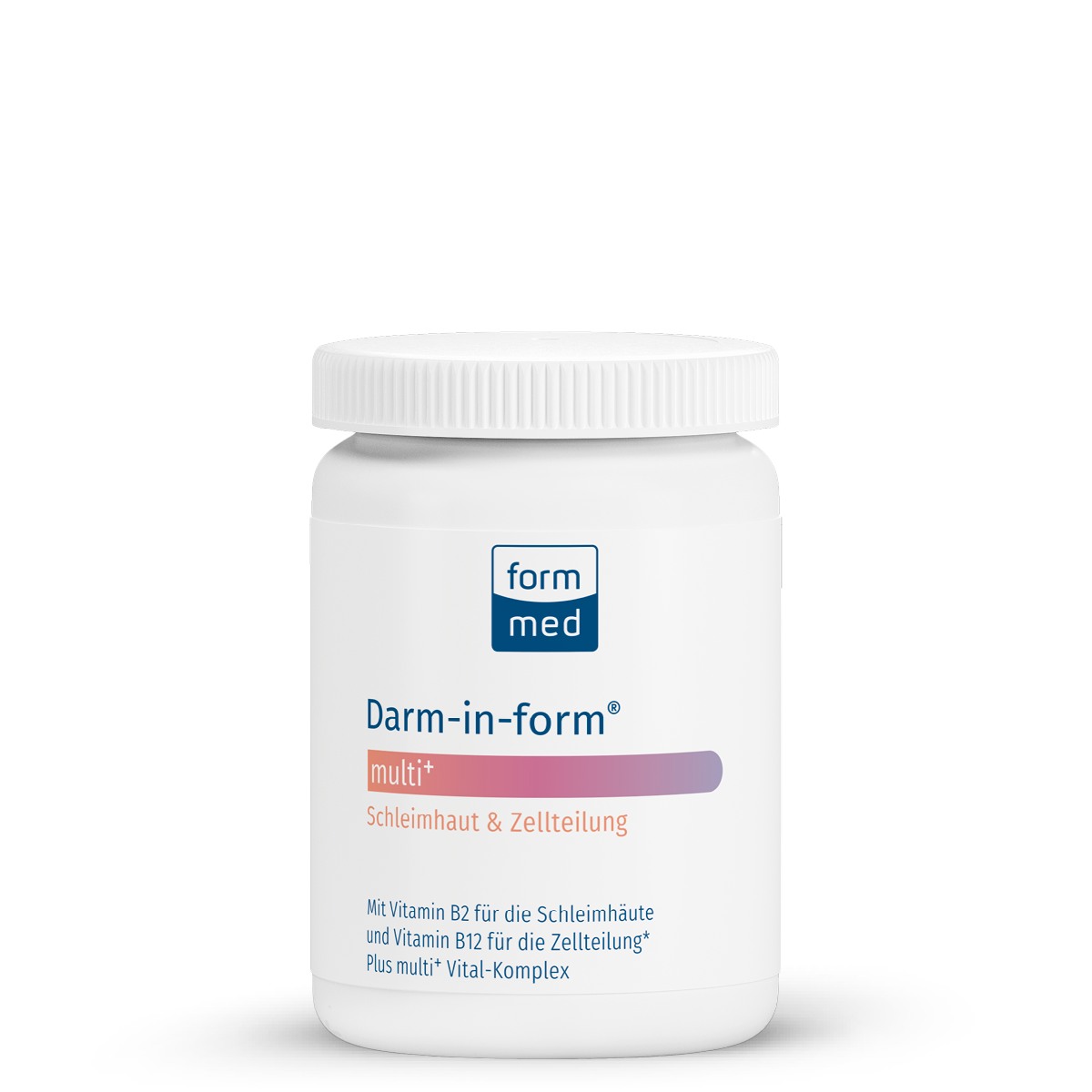
Ready for immediate dispatch - Delivery time approx. 1-3 days
Literature
Alharbi, B. F. und Alateek, A. A. (2024): Investigating the influence of probiotics in preventing Traveler’s diarrhea: Meta-analysis based systematic review. Travel Med Infect Dis. 59:102703. https://pubmed.ncbi.nlm.nih.gov/38458507/
AWMF (2023): S2k-Leitlinie Gastrointestinale Infektionen. AWMF-Registernummer 021-024. https://register.awmf.org/assets/guidelines/021-024l_S2k_Gastrointestinale_Infektionen_2023-11_1.pdf
AWMF (2024): S2k-Leitlinie Akute infektiöse Gastroenteritis bei Säuglingen, Kindern und Jugendlichen. AWMF-Registernummer 068-003. https://register.awmf.org/assets/guidelines/068-003l_S2k_AGE-Akute-infektioese-Gastroenteritis-Saeuglinge-Kinder-Jugendliche-2024-07.pdf
Chen, C. et al. (2026): Probiotics for treating acute diarrhea in children: an evidence synthesis. Frontiers in pediatrics, 13, 1722257. https://pmc.ncbi.nlm.nih.gov/articles/PMC12832844/
Esmaeilinezhad, Z. et al. (2025): Probiotics for the prevention of Clostridioides difficile-associated diarrhea in adults and children. Cochrane Database Syst Rev. 9(9):CD006095. https://pubmed.ncbi.nlm.nih.gov/40931979/
Wang, F. et al. (2022): Meta-analysis of the efficacy of probiotics to treat diarrhea. Medicine (Baltimore). 101(38):e30880. https://pubmed.ncbi.nlm.nih.gov/36197181/


