Vitamins and more for the stomach, intestines, and digestion
During the Christmas season, it’s hard to resist all the delicious treats. Cookies, gingerbread, chocolate dominoes, and more constantly tempt us to indulge, and rich holiday meals and sweet desserts are simply part of the celebration — it’s hard, and often undesirable, to hold back. However, large portions and fatty or sugary foods can strain the stomach and disrupt the acid-base balance.
But the intestines are also put to the test. For a healthy gastrointestinal tract, a well-functioning mucous membrane is important. Micronutrients such as vitamin B2, niacin, and biotin support this. In addition, the bacterial balance in the gut plays a key role in overall health. And, of course, it’s important to pay attention to fiber intake. Below the product listings, you’ll find detailed information on what you can do right now to support your digestion.
By the way: If you’d like to receive regular updates about micronutrients and our products, subscribe to the FormMed News – completely free of charge!
Micronutrients for the acid-base metabolism
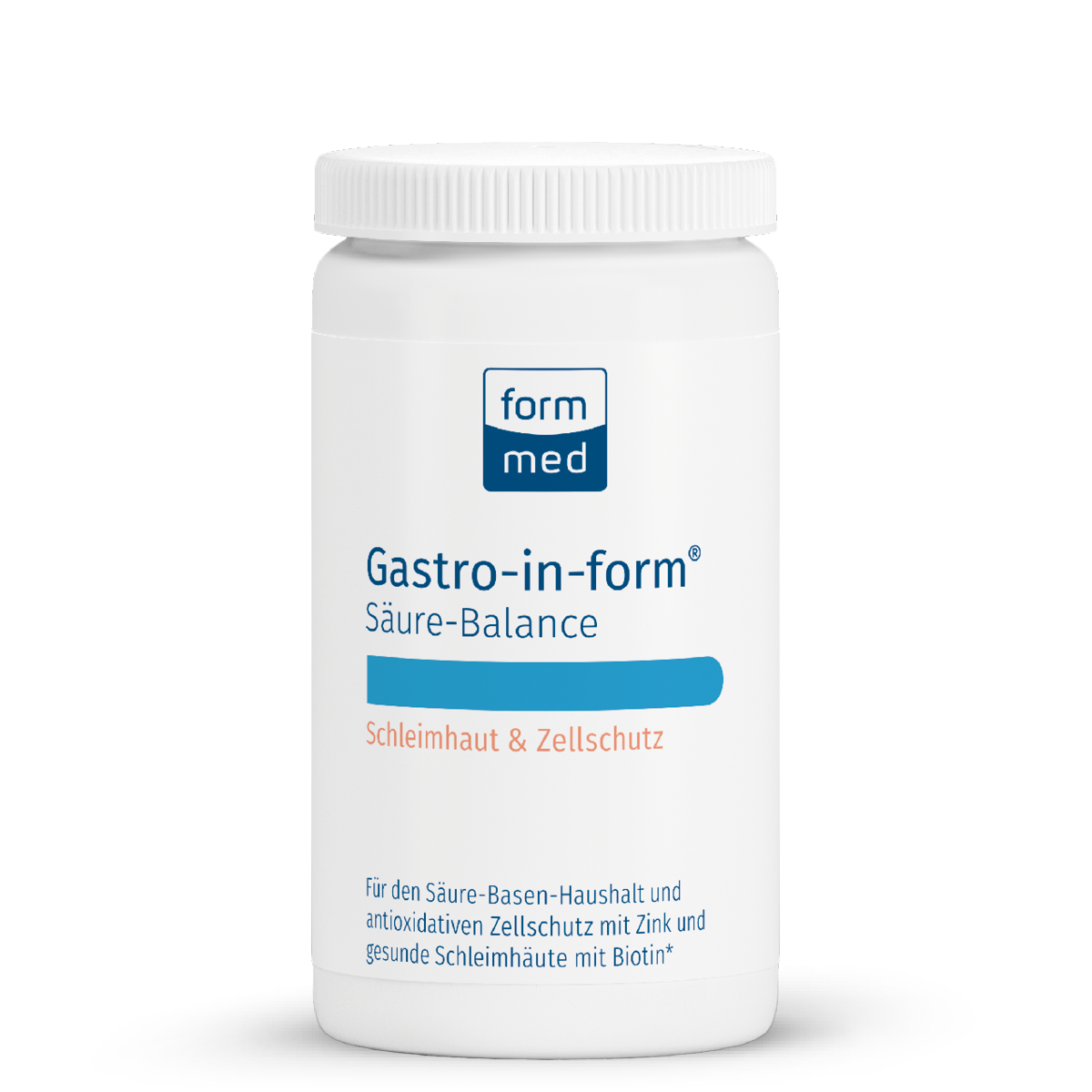
Ready for immediate dispatch - Delivery time approx. 1-3 days
Further micronutrients for the gut

Ready for immediate dispatch - Delivery time approx. 1-3 days

Ready for immediate dispatch - Delivery time approx. 1-3 days
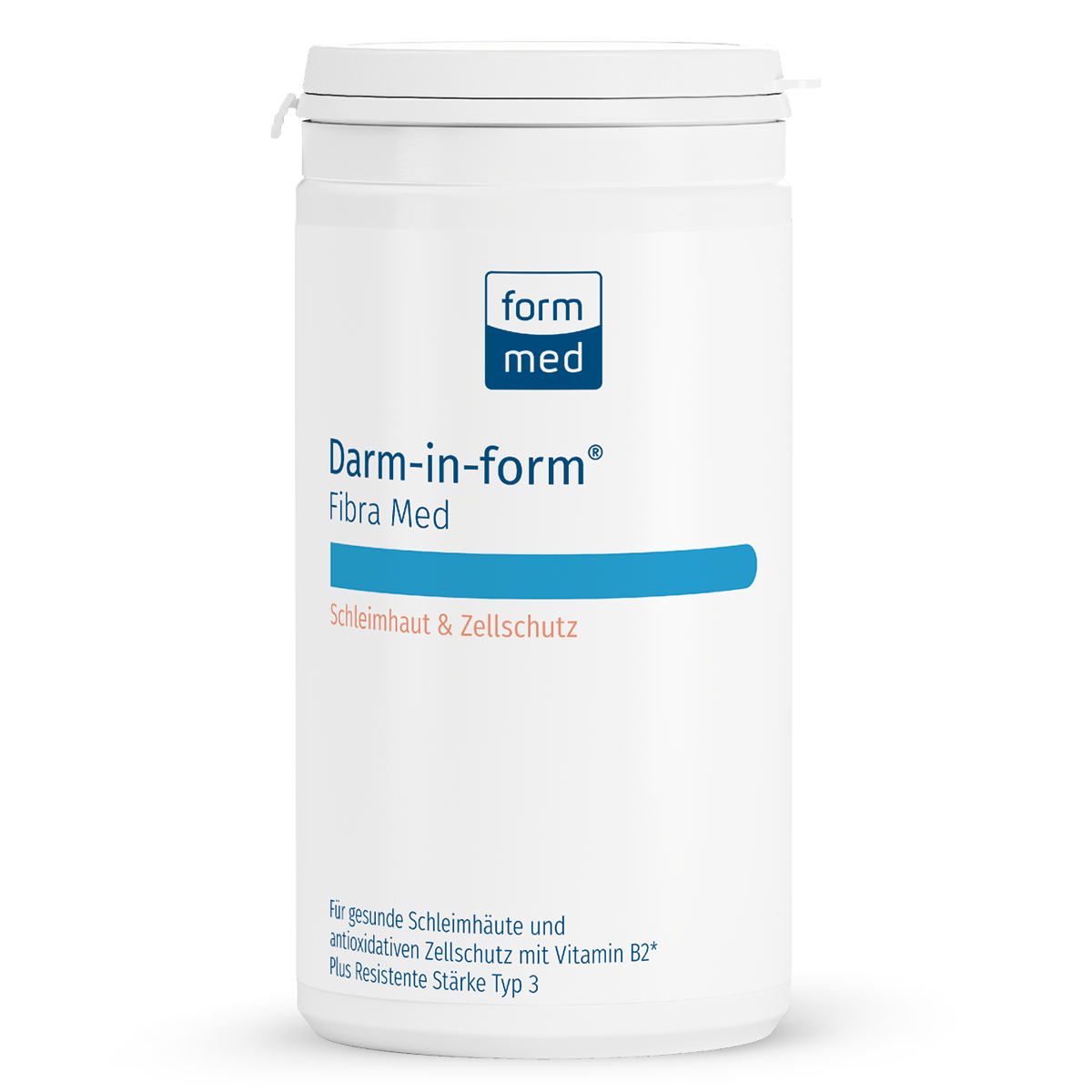
Ready for immediate dispatch - Delivery time approx. 1-3 days

Vegan enzyme complex with lactase for digestion
Ready for immediate dispatch - Delivery time approx. 1-3 days
Support acid-base metabolism in the stomach
When the acid-base metabolism in the stomach is out of balance, many people experience an unpleasant, burning sensation in the sternum. This is called heartburn.
Micronutrients can support the acid-base metabolism. Zinc in particular as a mineral contributes to this. Zinc is a cofactor of enzymes that are essential for acid-base metabolism - including in the stomach for the production of stomach acid. Minerals can also bind acids if they are present as alkaline compounds.
Camomile is also a traditional plant for the stomach and intestines. It is used to treat digestive problems - for example as camomile tea for heartburn. The ingredients in camomile contribute to digestive well-being.
Healthy gut: sufficient fibre and the right balance of bacteria
In phases when rich food dominates the diet, the intestines are also put under strain. That's why it's important to consume enough fibre despite feasting - the German Nutrition Society recommends 30 grams a day.
On the one hand, fibre serves as ‘food’ for the intestinal bacteria - if the intestinal bacteria feel good, this supports our health. On the other hand, fibre from vegetables, fruit and whole grain cereal products improves stool consistency.
In addition, micronutrient preparations with dietary fibre can supplement the diet.
Literature
Biesalski, Hans Konrad (2016): Vitamins and minerals. Georg Thieme publishing house 2016.
Herdiana, Y. (2023): Functional Food in Relation to Gastroesophageal Reflux Disease (GERD). Nutrients. 15(16):3583.
https://pmc.ncbi.nlm.nih.gov/articles/PMC10458865/
Rau, S. et al. (2024): Prebiotics and Probiotics for Gastrointestinal Disorders. Nutrients. 16(6):778.
https://pubmed.ncbi.nlm.nih.gov/38542689/
Srivastava, J. K. et al. (2011): Chamomile: A herbal medicine of the past with bright future. Mol Med Rep. 3(6):895–901.
https://pmc.ncbi.nlm.nih.gov/articles/PMC2995283/