
Post-pill syndrome – supporting the body after stopping the pill
Table of Contents
- The Pill as a Nutrient Depleter: What Your Stores Are Missing Now
- Cycle Irregularities and Mood: Supporting Hormone Regulation
- Skin and Hair in Turmoil: The Role of Zinc
- Nutrition, Exercise, and Time: What Further Supports the Body During the Transition Phase
- Conclusion: Supporting your body after stopping the pill
- Frequently Asked Questions About Stopping the Pill and Post-Pill Syndrome
- Well-supplied with micronutrients
- Literature
You’ve made the decision and stopped taking the pill—but instead of the renewed sense of well-being you hoped for, you are suddenly dealing with hair loss, acne, mood swings, and a regular cycle that fails to appear. This experience is far from unusual; in fact, it has become so common that a specific term has emerged for it: post-pill syndrome. In this guide, you will learn why years of hormonal contraception can significantly deplete the body’s nutrient stores and which micronutrients play a key role in the body’s hormone production after you stop taking the pill.
The Pill as a Nutrient Depleter: What Your Stores Are Missing Now
As an oral contraceptive, the Pill undergoes extensive metabolism in the liver. This process continuously consumes vitamins and minerals that act as coenzymes or cofactors in numerous metabolic reactions.
Current evidence suggests that the following micronutrients are particularly prone to deficiency:
- Folic acid is essential for cell division and the synthesis of new DNA. Folic acid levels often drop measurably when taking the Pill—likely because the intestine absorbs it less efficiently and the liver breaks it down more rapidly.
- Vitamin B6 helps the body break down the amino acid tryptophan. The hormones in the Pill appear to further stimulate this breakdown process, leading to increased tryptophan processing and a higher-than-normal requirement for Vitamin B6. A functional Vitamin B6 deficiency—occurring despite adequate intake—is a topic of discussion in this context.
- Vitamin B12 works closely with folic acid, playing a key role in processes such as blood cell formation and nerve impulse transmission. Vitamin B12 levels also decline in some women taking the Pill, though the exact reason for this remains unclear.
- Magnesium is vital for muscle and nerve function. A study found that women taking low-dose contraceptive pills—the current standard—had, on average, lower blood magnesium levels than women not taking the Pill.
- Zinc is essential for skin and hair cells, as well as the immune system. Zinc levels also drop when taking the pill, though the exact cause of this has not yet been conclusively proven. The primary cause of post-pill syndrome symptoms is the hormonal adjustment that occurs when the body’s own hormone production has to restart after stopping the pill. If micronutrient stores are also depleted, this can intensify symptoms or delay their resolution. Understanding what happens in the body when stopping the pill allows for a more targeted approach to managing this transition phase. This includes ensuring an adequate intake of micronutrients, monitoring your cycle, and seeking medical advice early on if symptoms are severe or persistent.
What is post-pill syndrome?
Post-pill syndrome refers to a range of physical and psychological complaints that can occur after stopping the contraceptive pill. It is not an official medical diagnosis, but rather a common term used to describe symptoms such as absent or irregular periods, blemished skin, increased hair loss, mood swings, water retention, and weight fluctuations.
The primary cause is the hormonal adjustment process: the body must restart its own hormone production—which was suppressed by the pill for years—and learn to find its own balance again.
Cycle Irregularities and Mood: Supporting Hormone Regulation
For many women, the most distressing side effect after stopping the pill is the absence of menstruation for several months (post-pill amenorrhea) or the sudden return of PMS symptoms that are far more severe than they were before taking the pill. Unlike the pill, which maintains steady hormone levels, estrogen and progesterone levels fluctuate according to the natural cycle rhythm once use is discontinued. Both hormones influence the availability of chemical messengers in the brain; consequently, these newly emerging hormonal fluctuations can also impact the nervous system and mood.
Nutrient balance also plays a role during this transitional phase, as specific micronutrients are involved in hormone regulation and signal transmission within the nervous system.
Vitamin B6
Vitamin B6 contributes to the regulation of hormonal activity by influencing how sensitively cells respond to hormones. Furthermore, the body requires it to produce chemical messengers—such as serotonin—from the amino acid tryptophan; these messengers influence mood and inner calm.
Magnesium
Magnesium acts like a natural brake within the nervous system: it prevents nerve impulses from being transmitted unchecked, thereby dampening nerve over-excitation. This explains why a deficiency is frequently associated with inner restlessness, muscle tension, or sleep problems.
Levels of both vitamin B6 and magnesium can drop as a result of taking the pill—which is why both micronutrients deserve special attention during this transitional phase.
There is no general rule regarding how long the hormonal readjustment takes after stopping the pill, as the process varies significantly from person to person. As a rough guide: the cycle often takes one to three months to re-establish itself, though it may take slightly longer for some women—especially if they started taking the pill before their first natural period.
Skin and Hair in Turmoil: The Role of Zinc
Changes in the skin and hair often appear with a time lag after stopping the pill: skin blemishes may become noticeable after just a few weeks, whereas hair loss—due to the hair growth cycle—usually only becomes visible after two to three months.
Without the synthetic estrogens found in the pill, the body often experiences a temporary relative excess of testosterone. This imbalance can stimulate sebum production in the skin—manifesting as "post-pill acne"—while simultaneously weakening hair roots, thereby promoting hair loss. This situation is often exacerbated by a zinc deficiency, which may have already developed while taking the pill.
Zinc acts as a cofactor in the formation of keratin—the structural protein of skin and hair—and is required in large quantities by the rapidly dividing cells of the hair roots and the epidermis. Laboratory studies are also investigating whether zinc inhibits the enzyme 5-alpha-reductase, which converts testosterone into a more potent form—the very process that drives sebum production and hair loss.
The time it takes for skin and hair to return to normal after stopping the pill varies from person to person. For most women, skin blemishes subside within a few months once hormone levels have stabilized.
In the case of hair loss, the process usually takes longer: since each hair follows its own growth cycle, visible recovery often extends over six to twelve months, even though the increased shedding frequently subsides after just a few months.Nutrition, Exercise, and Time: What Further Supports the Body During the Transition Phase
In addition to the micronutrients mentioned, many women also wonder what else to consider when stopping the pill. Here are a few basic tips:
- Balanced Diet: A balanced, nutrient-rich diet provides the body with the building blocks and cofactors needed for hormone production, the maintenance of skin and hair, and the formation of neurotransmitters. Steroid hormones such as estrogen and progesterone, for instance, are synthesized from cholesterol, with numerous vitamins and minerals acting as cofactors at various stages of this process.
- Micronutrient Support: Targeted micronutrient supplementation during the transition phase can be beneficial—particularly zinc, folic acid, vitamins B6 and B12, and magnesium—to replenish stores depleted during the time the pill was taken.
- Stress Management and Sleep: Persistent stress and lack of sleep reinforce one another and can further complicate the transition process: The stress hormone cortisol acts on the same area of the brain that regulates the menstrual cycle; chronically elevated levels can disrupt the signals required for this process.
- Exercise: Regular, moderate exercise supports cellular insulin sensitivity and can thus help counteract weight fluctuations after stopping the pill. In addition, regular physical activity is associated with an improved mood. However, patience is most important: the hormonal adjustment following discontinuation of the pill varies from person to person and can take several months. Although this waiting period can be stressful, a prolonged process is not a sign that something is wrong—but rather part of a process the body undergoes at its own pace.
Conclusion: Supporting your body after stopping the pill
After stopping the pill, the body must restart its own hormone production, which has been suppressed for years; the resulting symptoms are known as "post-pill syndrome." Hair loss, skin breakouts, menstrual irregularities, and mood swings are largely attributable to this hormonal readjustment. These symptoms are often exacerbated by nutrient deficiencies resulting from years of pill use.
A nutrient-rich diet, targeted intake of B vitamins, magnesium, and zinc, and mindful management of stress and sleep can support the body during this transition. Ultimately, one thing is crucial: time. Most symptoms subside within a few months, even if the journey there isn't always straightforward.
Frequently Asked Questions About Stopping the Pill and Post-Pill Syndrome
Common side effects include an irregular or temporarily absent menstrual cycle, post-pill acne, increased hair loss, mood swings, water retention, and weight fluctuations.
The primary cause is the hormonal readjustment that occurs when the body’s own hormone production has to restart after years of suppression. In addition, depleted stores of nutrients—specifically zinc, folic acid, vitamins B6 and B12, and magnesium—often exacerbate these symptoms.
Increased hair loss—typically diffuse in nature—is one of the most common side effects after stopping the pill. It does not usually appear immediately, but rather after about two to three months, when the affected hairs enter the shedding phase.
After stopping the pill, a temporary relative excess of testosterone often occurs because the synthetic estrogens in the pill—which previously suppressed the body's own production of estrogen and progesterone—are no longer present.
This hormonal imbalance can weaken hair follicles and force more hairs simultaneously into the shedding phase (telogen phase). A potential zinc deficiency caused by the pill can further intensify this effect.
After stopping the pill, mood swings, inner restlessness, or a resurgence of severe PMS symptoms may occur.
The cause is the hormonal readjustment: unlike the steady hormone levels maintained while taking the pill, estrogen and progesterone levels once again fluctuate according to the natural cycle. This also affects the availability of neurotransmitters such as serotonin in the brain.
The pill itself generally does not cause permanent weight gain. However, after stopping use, temporary water retention and intense food cravings can contribute to weight fluctuations: fluctuating hormone levels affect both fluid balance and serotonin levels, the latter of which regulates the desire for rapidly available carbohydrates. Hormone levels and weight usually stabilize again within a few months.
The duration depends on the specific symptom: for most women, the cycle normalizes within one to three months. Acne usually clears up within a few months, whereas hair loss can persist for six to twelve months due to the hair growth cycle. Post-pill amenorrhea lasting longer than six months affects an estimated less than 1 percent of women.
While these timeframes vary, a prolonged course is not a sign that something is wrong, even though the wait can be stressful.
If your period fails to appear, pregnancy should first be ruled out via a test.
If the absence of menstruation persists for more than three to six months, you should consult a doctor—for instance, to rule out thyroid dysfunction or PMOS (formerly PCOS) and to monitor your hormonal balance.
In most cases, however, it is a matter of temporary post-pill amenorrhea that resolves on its own.
Since the pill places demands on the body's nutrient balance while it is being taken, it can be beneficial to specifically supply the body with zinc, folic acid, vitamins B6 and B12, and magnesium beforehand, rather than waiting until after stopping use to take action. This allows nutrient stores to be replenished before the body has to restart its own hormone production.
Well-supplied with micronutrients
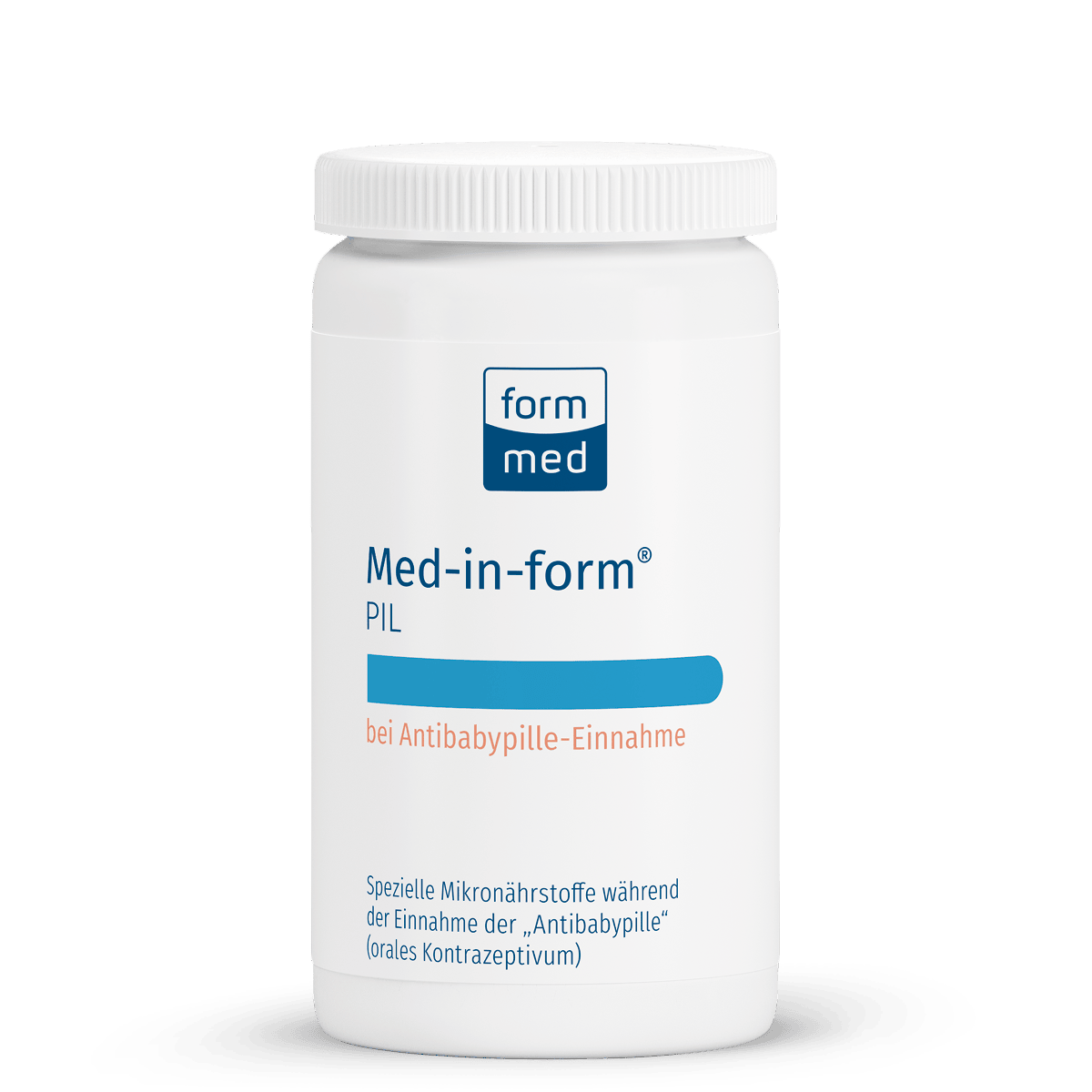
Ready for immediate dispatch - Delivery time approx. 1-3 days

Ready for immediate dispatch - Delivery time approx. 1-3 days
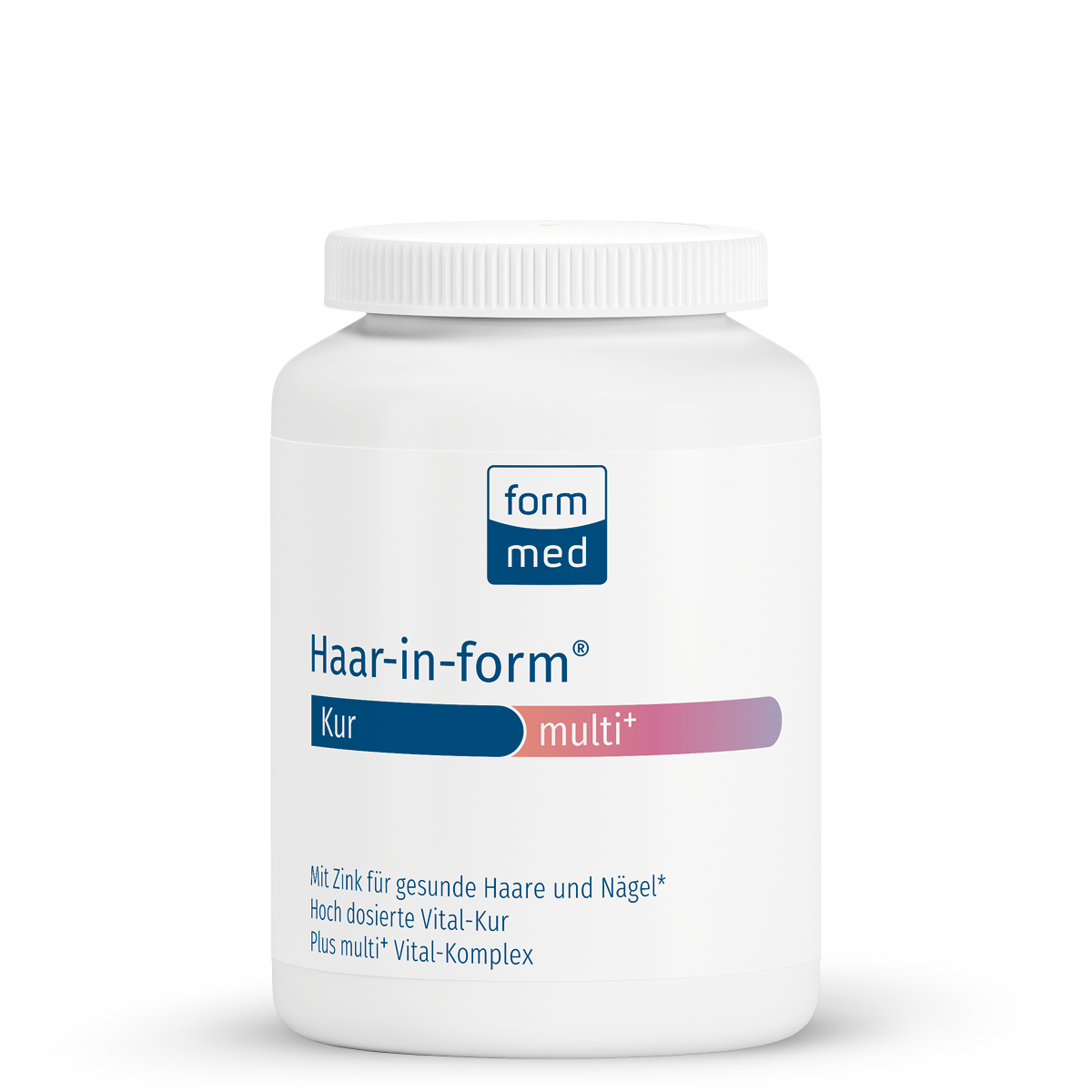
Ready for immediate dispatch - Delivery time approx. 1-3 days
Literature
Akinloye, O. et al. (2011): Effects of contraceptives on serum trace elements, calcium and phosphorus levels. West Indian Med J. 60(3):308-315. https://pubmed.ncbi.nlm.nih.gov/22224344/
Begum, A. et al. (2025): Status of Fasting Serum Glucose and Serum Magnesium among Women Having Low Dose Oral Contraceptive Pill. Mymensingh Med J. 34(2):319-323. https://pubmed.ncbi.nlm.nih.gov/40160044/
Berenson, A.B. & Rahman, M. (2012): Effect of hormonal contraceptives on vitamin B12 level and the association of the latter with bone mineral density. Contraception. 86(5):481-487. https://pubmed.ncbi.nlm.nih.gov/22464408/
Fallah, S. et al. (2009): Effect of contraceptive pill on the selenium and zinc status of healthy subjects. Contraception. 80(1):40-43. https://pubmed.ncbi.nlm.nih.gov/19501214/
Huggins, G.R. & Cullins, V.E. (1990): Fertility after contraception or abortion. Fertil Steril. 54(4):559-573. https://pubmed.ncbi.nlm.nih.gov/2209874/
Piérard, G.E. & Piérard-Franchimont, C. (1993): Effect of a topical erythromycin-zinc formulation on sebum delivery. Evaluation by combined photometric-multi-step samplings with Sebutape. Clin Exp Dermatol. 18(5):410-413. https://pubmed.ncbi.nlm.nih.gov/8252759/
Robinson, J. et al. (2025): Effect of nutritional interventions on the psychological symptoms of premenstrual syndrome in women of reproductive age: a systematic review of randomized controlled trials. Nutr Rev. 83(2):280-306. https://pubmed.ncbi.nlm.nih.gov/38684926/
Shere, M. et al. (2015): Association Between Use of Oral Contraceptives and Folate Status: A Systematic Review and Meta-Analysis. J Obstet Gynaecol Can. 37(5):430-438.https://pubmed.ncbi.nlm.nih.gov/26168104/
Wilson, S.M.C. et al. (2011): Oral contraceptive use: impact on folate, vitamin B6, and vitamin B12 status. Nutr Rev. 69(10):572-583. https://pubmed.ncbi.nlm.nih.gov/21967158/
Yee, B.E. et al. (2020): Serum zinc levels and efficacy of zinc treatment in acne vulgaris: A systematic review and meta-analysis. Dermatol Ther. 33(6):e14252. https://pubmed.ncbi.nlm.nih.gov/32860489/