
Silent reflux and heartburn: supporting acid-base balance
Table of Contents
- Silent Reflux vs. Heartburn: What’s the Difference?
- The Problem with Stomach Acid Blockers (PPIs)
- Micronutrients for Acid-Base Balance
- Chamomile and Lemon Balm for Reflux: What Scientists Are Investigating
- Diet and Lifestyle: What Helps with Heartburn and Silent Reflux?
- Conclusion: Balancing the Acid-Base Ratio in Cases of Reflux
- Frequently Asked Questions About Silent Reflux and Heartburn
- Support for the acid-base balance
- Literature
Silent Reflux vs. Heartburn: What’s the Difference?
Heartburn and silent reflux are often mentioned in the same breath, yet they differ fundamentally in their causes, symptoms, and treatment approaches.
However, what they have in common is that they occur when the lower esophageal sphincter fails to close reliably, allowing stomach contents to reach the mucous membranes. The specific way these contents travel determines the resulting symptoms.
Classic Heartburn: When Acid Irritates the Esophagus
In classic heartburn—medically known as gastroesophageal reflux disease (GERD)—the lower esophageal sphincter fails: liquid stomach acid rises back into the esophagus and irritates its lining.
The typical result is a burning sensation behind the breastbone, which intensifies especially after eating, when bending over, or while lying down. Acid regurgitation, a feeling of pressure in the upper abdomen, and difficulty swallowing may also occur.
While the esophageal lining possesses certain protective mechanisms against occasional acid exposure, these are insufficient to prevent inflammation in cases of chronic reflux.
Silent Reflux: When Acid Causes Damage Without the Burn
In silent reflux—medically known as laryngopharyngeal reflux (LPR)—tiny micro-droplets rise up, containing not only stomach acid but also the digestive enzyme pepsin.
They reach the pharynx, larynx, and sometimes the airways.The esophagus is generally not affected, which is why the characteristic burning sensation does not occur. Consequently, the problem often goes unrecognized. Yet silent reflux is widespread: approximately 19 percent of Europeans are affected by it.
The mucous membranes of the pharynx and larynx are significantly more sensitive to stomach acid than the lining of the esophagus—they lack the protective mechanisms that the esophagus uses to buffer occasional contact with acid. Even minute amounts of acid irritate the mucous membranes. Pepsin is even absorbed into the cells and activated inside them. This causes cellular changes as well as persistent irritation.
Comparing symptoms: How can this form of reflux be identified?
The symptoms of silent reflux and heartburn are so distinctive that they provide initial clues as to which form of reflux is present:
| Silent Reflux (LPR) | Heartburn (GERD) | |
| Key symptom | Hoarseness, throat clearing, sensation of a lump in the throat, dry cough | Burning sensation behind the breastbone, acid regurgitation |
| Heartburn | Rare or absent | Frequent, sometimes accompanied by chest pain and gastric discomfort |
| When do symptoms occur? | Mostly during the day and while standing | Frequently at night or while lying down |
In addition, persistent fatigue can occur with both forms of reflux, as they impair sleep quality: in classic heartburn due to the burning sensation, and in silent reflux due to dry cough or throat clearing.
When should you see a doctor for reflux?
Medical evaluation is recommended in cases of persistent hoarseness, recurring dry cough, or a constant sensation of a foreign body in the throat—especially if symptoms last longer than four weeks. The same applies to frequent nighttime heartburn that regularly disrupts sleep.
If left untreated over a prolonged period, both forms of reflux can lead to complications, including changes to the vocal cords, chronic sinusitis, middle ear problems, and reflux-induced asthma.
The Problem with Stomach Acid Blockers (PPIs)
Stomach acid blockers—known as PPIs (proton pump inhibitors)—are among the most commonly used treatments for reflux. They inhibit acid production in the stomach, thereby alleviating symptoms. However, they do not address the underlying cause.
For classic heartburn, this is often sufficient in the short term. With silent reflux, however, proton pump inhibitors reach their limits. Furthermore, long-term use poses risks regarding nutrient supply.
Why are proton pump inhibitors less effective for silent reflux?
In cases of silent reflux, the digestive enzyme pepsin plays a major role alongside stomach acid.
While proton pump inhibitors reduce acid production—rendering the enzyme inactive—it can be reactivated at any time by other acids, including those from food or beverages such as fruit juices.Furthermore, if pepsin has already been absorbed into the mucosal cells, proton pump inhibitors are no longer effective: the enzyme is reactivated within the cell's acidic compartments (lysosomes), disrupting the mucosal cells' metabolism and causing chronic irritation of the mucous membrane.
Long-term PPI use: Consequences for nutrient status and the gut
Although proton pump inhibitors act quickly, they are not an optimal long-term solution because gastric acid performs vital functions: it activates digestive enzymes, aids in breaking down food, and protects the gastrointestinal tract against pathogenic germs.
If its production is permanently inhibited, these functions are lost—potentially affecting nutrient supply and gut health.
The following risks have been observed with long-term PPI use:
- Magnesium deficiency – PPIs inhibit magnesium absorption in the gut; long-term use can lead to a significant drop in magnesium levels
- Vitamin B12 deficiency – gastric acid is required for vitamin B12 absorption; a chronic lack of acid impairs B12 status
- Calcium deficiency – gastric acid is also necessary for calcium absorption; If it is consistently lacking, calcium levels may drop.
- Increased risk of infection – Stomach acid protects the digestive tract against pathogens; without sufficient acid, harmful germs can colonize more easily. This can sometimes lead to intestinal infections causing symptoms such as diarrhea.
- Changes to the intestinal lining – In rare cases, inflammatory changes to the lining have been observed with long-term use.
Proton pump inhibitors are therefore not medication that should be taken long-term without careful consideration. Anyone suffering from persistent symptoms should address the underlying causes—and ensuring an adequate supply of alkaline minerals can be one part of the solution.
Good to know: If you stop taking PPIs after prolonged use, you should do so gradually; acid production can temporarily surge to levels higher than before treatment began (rebound effect).
Micronutrients for Acid-Base Balance
The body regulates its acid-base balance through several systems simultaneously—with the lungs, kidneys, and buffer molecules in the blood working closely together. Certain micronutrients play a direct role in these processes as components of enzymes and the body's own buffer systems.
An acid-forming diet and persistent stress can place a strain on these systems—thereby increasing the need for a targeted supply of minerals.
Zinc: A Cofactor in Acid-Base Metabolism
Zinc contributes to normal acid-base metabolism in a very specific way: as a cofactor, it is an essential component of carbonic anhydrases—a group of enzymes involved in acid regulation. These enzymes are active throughout the body: in red blood cells, the kidneys, and the gastric mucosa.
Carbonic anhydrases convert carbon dioxide into bicarbonate—the body's most important buffer molecule. Bicarbonate binds excess acid, thereby keeping the pH level stable. In the gastric mucosa, bicarbonate naturally protects the sensitive stomach lining from the stomach's own hydrochloric acid.
In the lungs, carbonic anhydrases ensure that bicarbonate—carrying bound acid—can be exhaled as carbon dioxide (CO₂) and water.
It is only then that the acid is excreted by the body.Magnesium and calcium: alkaline compounds acting as acid buffers
In the form of carbonates and citrates, minerals have an alkalizing effect in the body and can chemically bind acids.
Carbonates react with hydrochloric acid in the stomach, neutralizing it immediately—making these compounds particularly suitable for cases of acute, elevated acid levels. Citrates are converted into bicarbonate during metabolism, thereby contributing to acid buffering.
Chamomile and Lemon Balm for Reflux: What Scientists Are Investigating
In addition to alkaline minerals, certain plant extracts are traditionally used to treat ailments affecting the stomach, esophagus, and throat.
Chamomile (Matricaria chamomilla) is one of the most frequently studied medicinal plants for gastrointestinal complaints. Scientists are investigating whether chamomile extract can influence inflammatory reactions in the mucous membranes and alleviate pain.
Research into lemon balm (Melissa officinalis) includes examining its potential effects on irritated stomach lining. The link to stress is particularly relevant here: persistent tension increases gastric acid production via the autonomic nervous system and can heighten the risk of reflux—scientists are currently investigating whether lemon balm extract might have an impact in this regard.
Diet and Lifestyle: What Helps with Heartburn and Silent Reflux?
In addition to targeted micronutrient intake, daily habits and dietary choices play an important role in managing heartburn and silent reflux.
Diet
Foods and beverages that stimulate acid production—including citrus fruits, spicy dishes, carbonated drinks, and acidic fruit juices—can aggravate symptoms. Conversely, a diet rich in fiber and low in fat, sugar, and highly processed foods is generally well-tolerated.
Eating Habits
Eating slowly reduces the amount of air that enters the stomach during swallowing. Air increases pressure on the sphincter muscle, thereby promoting reflux. Chewing gum between meals stimulates saliva production; saliva contains bicarbonate, a natural buffering agent. Sugar-free gum is the best choice. Additionally, eating smaller, more frequent meals eases the load on the stomach and reduces pressure on the esophageal sphincter.
Stimulants and Stress
Coffee, alcohol, and chocolate stimulate acid production. Nicotine weakens the esophageal sphincter and is a known trigger for reflux symptoms. Chronic stress also affects acid production: the stress hormone cortisol stimulates the production of stomach acid and can impair the stomach's protective mucous lining.
The guide to cortisol explains how elevated cortisol levels affect the body and what can be done about them.Posture and Sleep
If symptoms occur while lying down, it is advisable to remain upright for at least 30 minutes after eating and to have your last substantial meal two hours before going to bed. Elevating the upper body can help with nighttime heartburn. In contrast, symptoms of silent reflux often occur while standing; in this case, a brief period of rest while lying down after the main meal may be beneficial.
Physical Activity
Regular physical activity can have a positive effect on digestion, body weight, and stress levels—all factors that influence reflux symptoms. Exercise also promotes the exhalation of acid (in the form of carbon dioxide) through the lungs.
However, sports that significantly increase abdominal pressure—such as weightlifting or intense abdominal exercises—can aggravate reflux.
Conclusion: Balancing the Acid-Base Ratio in Cases of Reflux
Silent reflux and heartburn rarely stem from a single cause; consequently, long-term improvement requires a multi-faceted approach. A balanced, plant-based diet, lifestyle adjustments, and mindful stress management form the foundation. Alkaline mineral compounds such as carbonates and citrates can support the body’s own buffering capacity, while zinc contributes to normal acid-base metabolism. Chamomile and lemon balm are traditionally used for mucous membrane complaints and are the subject of current research.
Frequently Asked Questions About Silent Reflux and Heartburn
Silent reflux typically manifests without the classic burning sensation behind the breastbone.
Instead, affected individuals report a sensation of a foreign body in the throat (as if something were stuck there), chronic throat clearing, hoarseness—particularly in the morning—and a feeling of mucus in the throat.
An irritating cough and a runny or stuffy nose in the absence of a cold can also be signs of silent reflux.
The typical symptoms of silent reflux are less noticeable than those of heartburn: chronic throat clearing, a sensation of a lump in the throat, hoarseness upon waking, a dry cough, and a stuffy or runny nose are common complaints.
Since heartburn does not occur, silent reflux is often mistaken for a cold or an allergy.
Silent reflux can be positively influenced by dietary adjustments and lifestyle changes; however, complete relief from symptoms is not achievable for everyone. The goal is a noticeable and lasting reduction in symptoms.
Acid-promoting foods and beverages—including coffee, alcohol, fruit juices, citrus fruits, and high-fat foods—can aggravate symptoms and should be limited. Eating smaller, more frequent meals eases the burden on the stomach. Still mineral water and herbal tea are better beverage choices than carbonated drinks.
Proton pump inhibitors can provide short-term relief from acute symptoms but do not address the underlying cause. Additionally, targeted supplementation with alkaline mineral compounds and zinc can help support the body's acid-base balance.
In most cases, silent reflux does not permanently resolve on its own; like classic heartburn, it tends to become a chronic condition.
Initial improvements resulting from dietary and lifestyle changes are often noticeable after a few weeks, while a significant reduction in symptoms generally occurs after two to three months of consistent adherence to these measures.
The speed and extent of symptom relief depend on individual triggers.
Yes, stress is considered a significant contributing factor to heartburn and silent reflux.
Cortisol—which is released in increased amounts during prolonged stress—stimulates gastric acid production and can impair the protective lining of the stomach. Additionally, stress affects muscle tension in the digestive tract and can weaken the esophageal sphincter.
Relaxation techniques such as yoga, breathing exercises, or meditation could help reduce heartburn.
During menopause, estrogen levels drop—and this affects the digestive tract. Estrogen influences the motility of the digestive tract and the tension of the lower esophageal sphincter. When estrogen levels decrease, this muscle no longer closes as reliably, making it easier for stomach acid to flow back up.
In addition, typical menopausal symptoms such as hot flashes and sleep disturbances increase stress levels, which can further stimulate the production of stomach acid.
Light meals, still water, and herbal teas—such as chamomile or lemon balm—can help ease the stomach during acute discomfort. Alkaline mineral compounds immediately neutralize excess stomach acid. A hot water bottle placed on the abdomen can provide soothing relief from cramping.
Spicy foods, coffee, alcohol, and high-fat meals further irritate the stomach and should be avoided during acute flare-ups. Since stress increases stomach acid production, relaxation can also help soothe the stomach.
For acute heartburn, over-the-counter antacids—preparations based on calcium or magnesium carbonate—neutralize excess stomach acid within a few minutes. Proton pump inhibitors work more slowly and are better suited for the short-term treatment of recurring symptoms.
Home remedies such as a glass of still water, unsweetened herbal tea, or a handful of almonds can help further dilute and bind stomach acid. Maintaining an upright posture prevents acid from rising further into the esophagus.
If symptoms recur frequently, it is advisable to consult a doctor.
What helps immediately with severe heartburn?Milch kann kurzfristig eine kühlende und puffernde Wirkung haben. Da Milch aber Fett und Eiweiß enthält, regt sie die Magensäureproduktion an – die Beschwerden können sich danach wieder verstärken.
Stilles Wasser oder Kamillentee sind in den meisten Fällen die bessere Wahl.
Magnesium carbonate reacts with hydrochloric acid in the stomach, immediately neutralizing it. It is particularly suitable for acute use.
Magnesium citrate is a highly bioavailable organic compound that is rapidly absorbed in the digestive tract. It is suitable for long-term use.
For nighttime reflux, it is recommended to sleep on your left side and keep your upper body slightly elevated—by about eight to ten centimeters. There is an anatomical reason for this: when lying on the left side, the entrance to the stomach is positioned higher than the rest of the stomach contents.
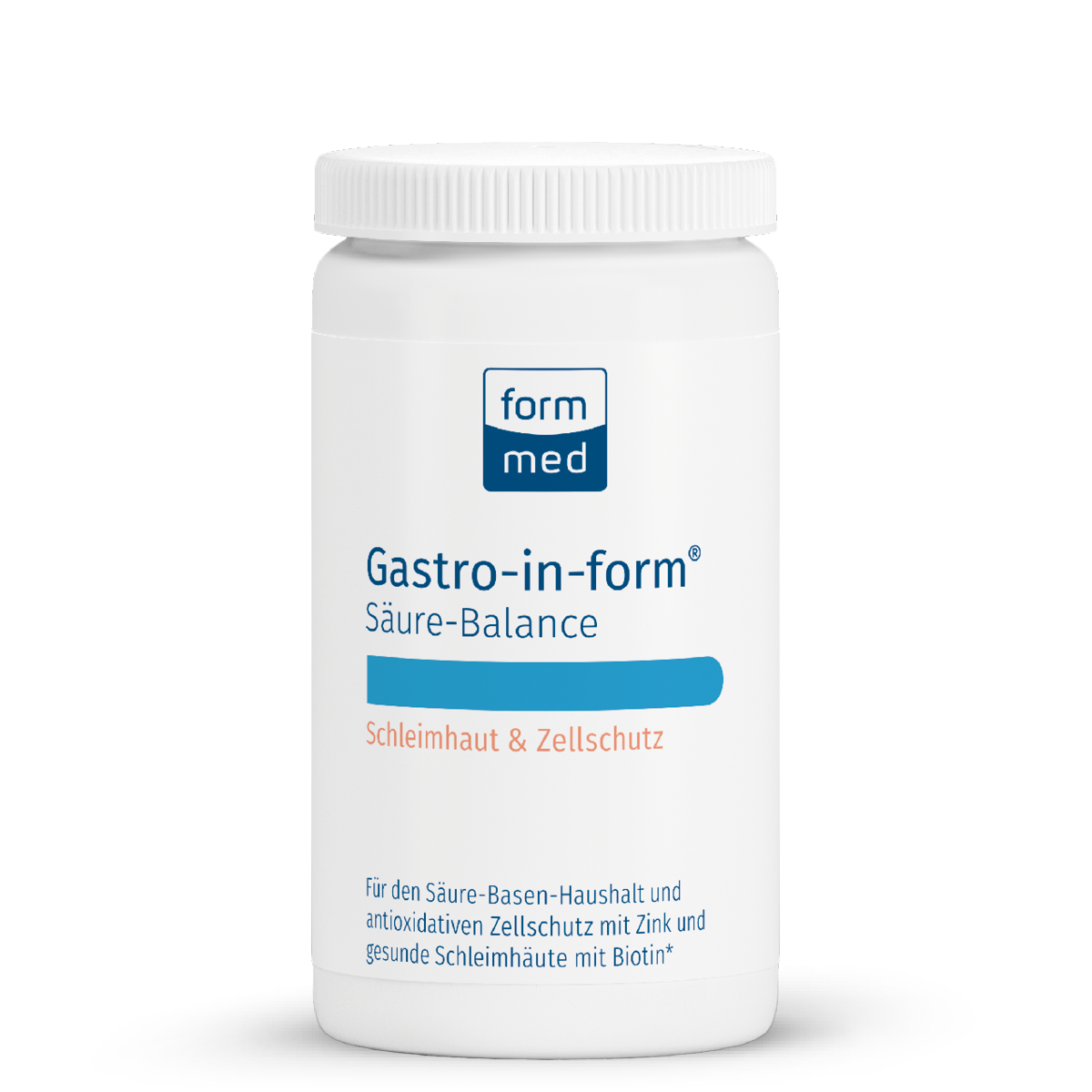
Support for the acid-base balance
Ready for immediate dispatch - Delivery time approx. 1-3 days

High-dose basic mineral combination
Ready for immediate dispatch - Delivery time approx. 1-3 days

Organic basic mineral combination
Ready for immediate dispatch - Delivery time approx. 1-3 days
Literature
Koufman, J. A. (2002): Laryngopharyngeal reflux is different from classic gastroesophageal reflux disease. Ear Nose Throat J. 81(9 Suppl 2):7-9. https://pubmed.ncbi.nlm.nih.gov/12353431/
Maideen, N. M. P. (2023): Adverse Effects Associated with Long-Term Use of Proton Pump Inhibitors. Chonnam Med J. 59(2):115-127. https://doi.org/10.4068/cmj.2023.59.2.115
Freedberg, D. E., Kim, L. S. und Yang, Y. X. (2017): The Risks and Benefits of Long-term Use of Proton Pump Inhibitors: Expert Review and Best Practice Advice From the American Gastroenterological Association. Gastroenterology. 152(4):706-715. https://doi.org/10.1053/j.gastro.2017.01.031
Menghini, L. et al. (2016): An Hydroalcoholic Chamomile Extract Modulates Inflammatory and Immune Response in HT29 Cells and Isolated Rat Colon. Phytother Res. 30(9):1513-8. https://doi.org/10.1002/ptr.5655
Stojanović, N. M. et al. (2021): Lemon balm (Melissa officinalis L.) essential oil and citronellal modulate anxiety-related symptoms – In vitro and in vivo studies. J Ethnopharmacol. 284:114788. https://doi.org/10.1016/j.jep.2021.114788
Jin, X. et al. (2022): Meta-analysis of Proton Pump Inhibitors in the Treatment of Pharyngeal Reflux Disease. Comput Math Methods Med. 2022:9105814. https://doi.org/10.1155/2022/9105814
Lechien, J. R. et al. (2021): Laryngopharyngeal reflux disease: state of the art review. Clin Otolaryngol. PMC8111387. https://pmc.ncbi.nlm.nih.gov/articles/PMC8111387/
Jing, W., Luo, W. und Lou, L. (2023): Diagnostic utility of salivary pepsin in laryngopharyngeal reflux: a systematic review and meta-analysis. Braz J Otorhinolaryngol. 89(2):339-347. https://doi.org/10.1016/j.bjorl.2022.10.050
Deutsche Gesellschaft für Gastroenterologie (2023): S2k-Leitlinie Gastroösophageale Refluxkrankheit und eosinophile Ösophagitis. AWMF-Register Nr. 021-013. https://register.awmf.org/assets/guidelines/021-013l_S2k_Gastrooesophageale-Refluxkrankheit-eosinophile_Oesophagitis_2023-09.pdf
Wilson, J. A. et al. (2021): Lansoprazole for persistent throat symptoms in secondary care: the TOPPITS RCT. Health Technol Assess. 25(3):1-118. https://doi.org/10.3310/hta25030
Lechien, J. R. et al. (2024): Laryngopharyngeal Reflux Disease Review. PMC11056915. https://pmc.ncbi.nlm.nih.gov/articles/PMC11056915/
Targownik, L. E. et al. (2022): AGA Clinical Practice Update on De-Prescribing of Proton Pump Inhibitors. Gastroenterology. 162(4):1334-1342. https://www.gastrojournal.org/article/S0016-5085(21)04083-X/fulltext
Supuran, C. T. und Scozzafava, A. (2007): Carbonic anhydrases as targets for medicinal chemistry. Bioorg Med Chem. 15(13):4336-4350. https://doi.org/10.1016/j.bmc.2007.04.020
Sah, A. et al. (2022): A Comprehensive Study of Therapeutic Applications of Chamomile. Pharmaceuticals (Basel). 15(10):1284. https://doi.org/10.3390/ph15101284
Cîmpeanu, I. A. et al. (2026): Melissa officinalis L. (Lemon Balm): An Integrative Review of Phytochemistry and Evidence from Preclinical Research to Clinical Studies. Plants (Basel). 15(4):650. https://doi.org/10.3390/plants15040650
Smoak, B. R. und Koufman, J. A. (2001): Effects of gum chewing on pharyngeal and esophageal pH. Ann Otol Rhinol Laryngol. 110(12):1117-9. https://doi.org/10.1177/000348940111001206
Lechien, J. R. et al. (2018): Laryngopharyngeal reflux: upright versus supine patterns. Sci Direct. https://www.sciencedirect.com/science/article/pii/S180886941830689X
Tack, J. und Pandolfino, J. E. (2018): Pathophysiology of Gastro-Esophageal Reflux Disease. Gastroenterology. 154(2):277-288. https://www.gastrojournal.org/article/S0016-5085(17)36248-0/fulltext