Iron deficiency in women and men – causes and symptoms
Iron is one of the most important micronutrients for blood formation and the transport of oxygen in the blood. When iron levels are low, this can have many consequences. Women have a slightly higher iron requirement than men: 16 milligrams per day compared to 11 milligrams. In addition, the causes of iron deficiency differ between women and men.
Find out what differences exist between women and men, what the most common causes are, and how to recognize an iron deficiency.
Causes of Iron Deficiency in Women
Women are more frequently affected by iron deficiency. Due to their menstrual period, they lose an average of 30 milligrams of iron per month, as a large portion of the body's iron is found in the blood. Women with heavy periods can lose more than 40 milligrams.
Additionally, iron requirements increase during pregnancy. Pregnant women have a daily requirement of 27 milligrams — almost twice as much as usual. The reason: more blood is needed to supply the baby adequately. If too little iron is consumed through diet, the risk of deficiency increas
How Does Iron Deficiency Occur in Men?
Iron deficiency in men is rare. However, studies show that men, especially as they age, tend to be less well supplied: researchers in Europe found an increasing risk of anemia (iron deficiency anemia) from the age of 65.
The most common cause of iron deficiency in men is tiny bleeds in the gastrointestinal tract. These can occur, for example, in cases of chronic gastritis – such as that caused by the Helicobacter pylori bacterium. In general, however, this can also be a cause of iron deficiency in women.
Other Causes of Iron Deficiency
In addition, there are other reasons for iron deficiency that occur in both women and men.
- Silent inflammation: If the body is in a state of chronic inflammation, it produces a specific iron-inhibiting substance (hepcidin). Iron deficiency can therefore result from silent inflammation.
- Medications: Some active ingredients inhibit iron absorption. For example, acid blockers used for heartburn reduce stomach acid production. However, stomach acid is important to release iron from food.
- Sports: Athletes can lose iron due to tiny muscle bleeds and ruptured blood cells after intense training. Iron deficiency is especially common in competitive sports.
- Meat-free diet: Meat provides highly bioavailable iron. That’s why vegans and vegetarians often have low iron levels.
- Coffee, tea, milk, and soft drinks: Coffee in particular is known as an “iron thief.” Tannins from coffee and tea bind iron in the intestine, preventing its absorption. Calcium from milk and phosphates from cola and similar beverages also inhibit iron absorption.
Symptoms: Recognizing Iron Deficiency
An iron deficiency can only be clearly diagnosed by a doctor through a blood test. The symptoms are usually nonspecific, meaning they cannot be attributed to a single micronutrient deficiency with certainty.
A good indicator in a blood test is stored iron (serum ferritin). The normal range for women is between 23 and 110 micrograms per liter of blood serum. For men, it is 34 to 310 micrograms per liter. Therefore, men generally have higher iron reserves than women.
However, the signs of iron deficiency do not differ. Iron deficiency symptoms in women and men are therefore:
- Paleness and dark circles under the eyes
- Fatigue
- Dizziness
- Feeling of weakness and exhaustion
- Shortness of breath and difficulty breathing, especially during exertion
- Heart palpitations and rapid heartbeat
Conclusion: Iron Deficiency in Women and Men
Iron deficiency can have different causes depending on gender. In women, blood loss due to menstruation and an almost doubled requirement during pregnancy are common reasons. In men, iron is usually lost in older age due to minor bleeding caused by inflammation in the stomach.
The symptoms, however, are similar. Too little iron in the blood can cause symptoms such as fatigue, weakness, shortness of breath, and rapid heartbeat.
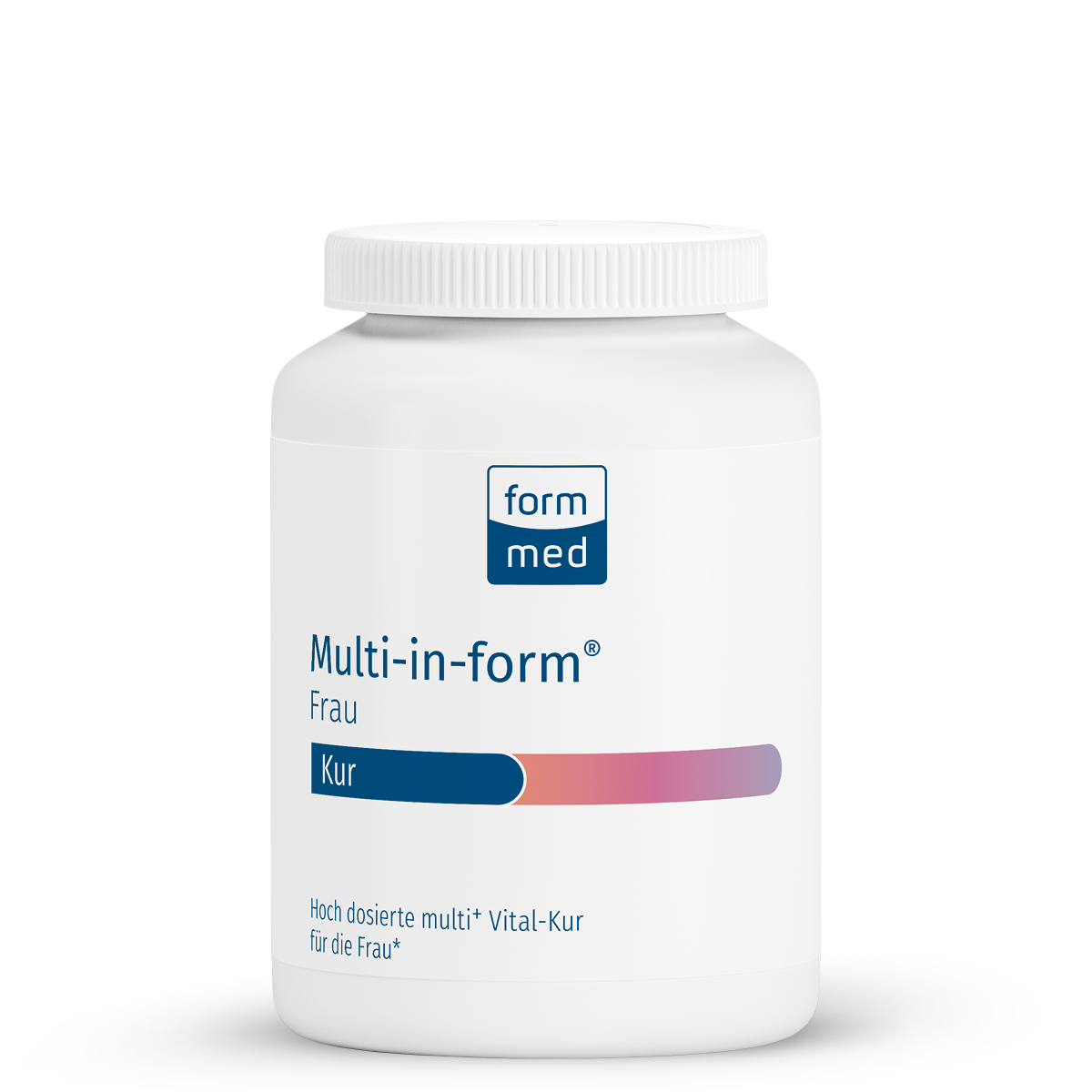
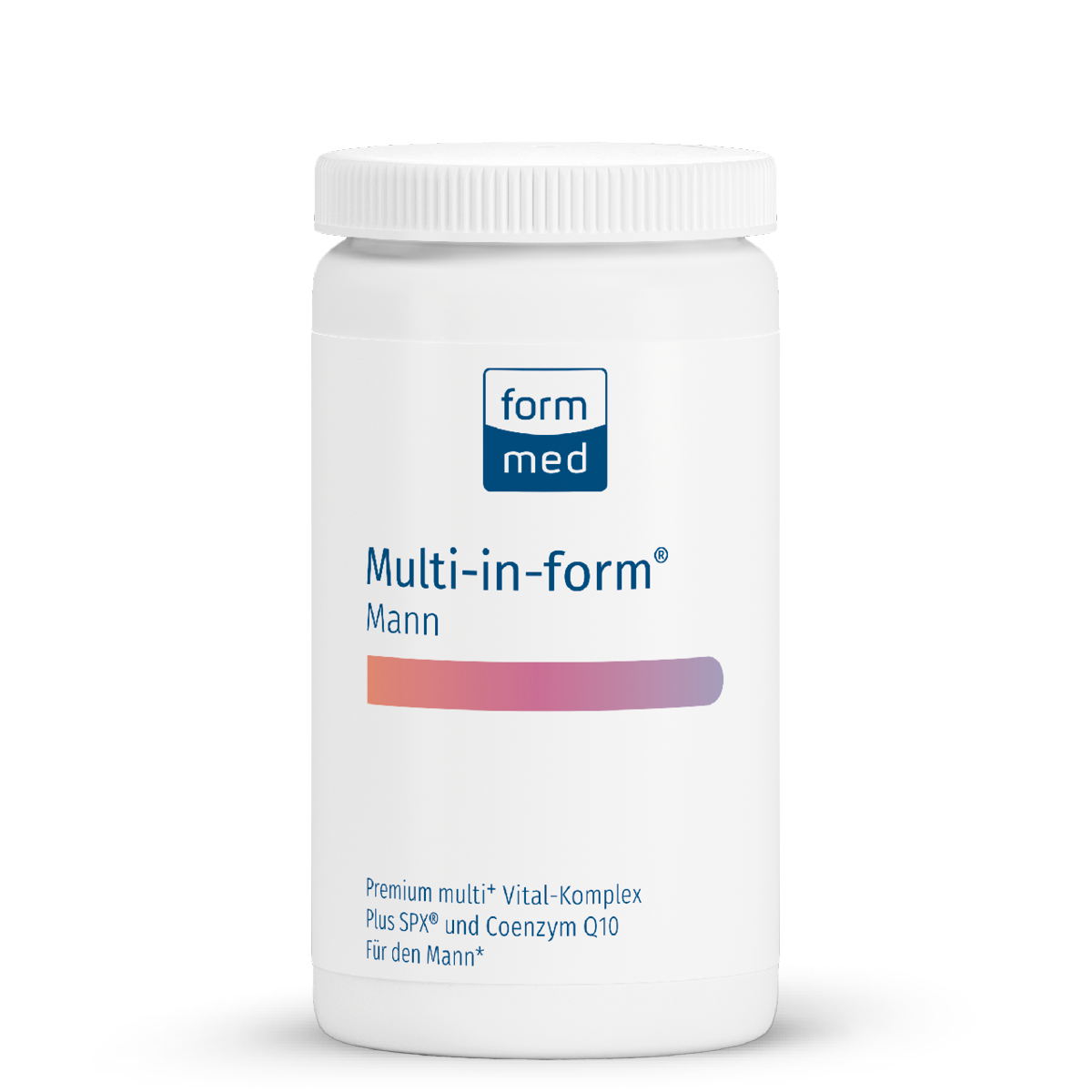
For basic support, Mulit-in-form® line supplements contain iron dosages tailored to daily needs. However, if a deficiency is confirmed by a blood test, the dosage should always be determined by a healthcare professional.
Suitable FormMed Supplements
Ready for immediate dispatch - Delivery time approx. 1-3 days
Ready for immediate dispatch - Delivery time approx. 1-3 days
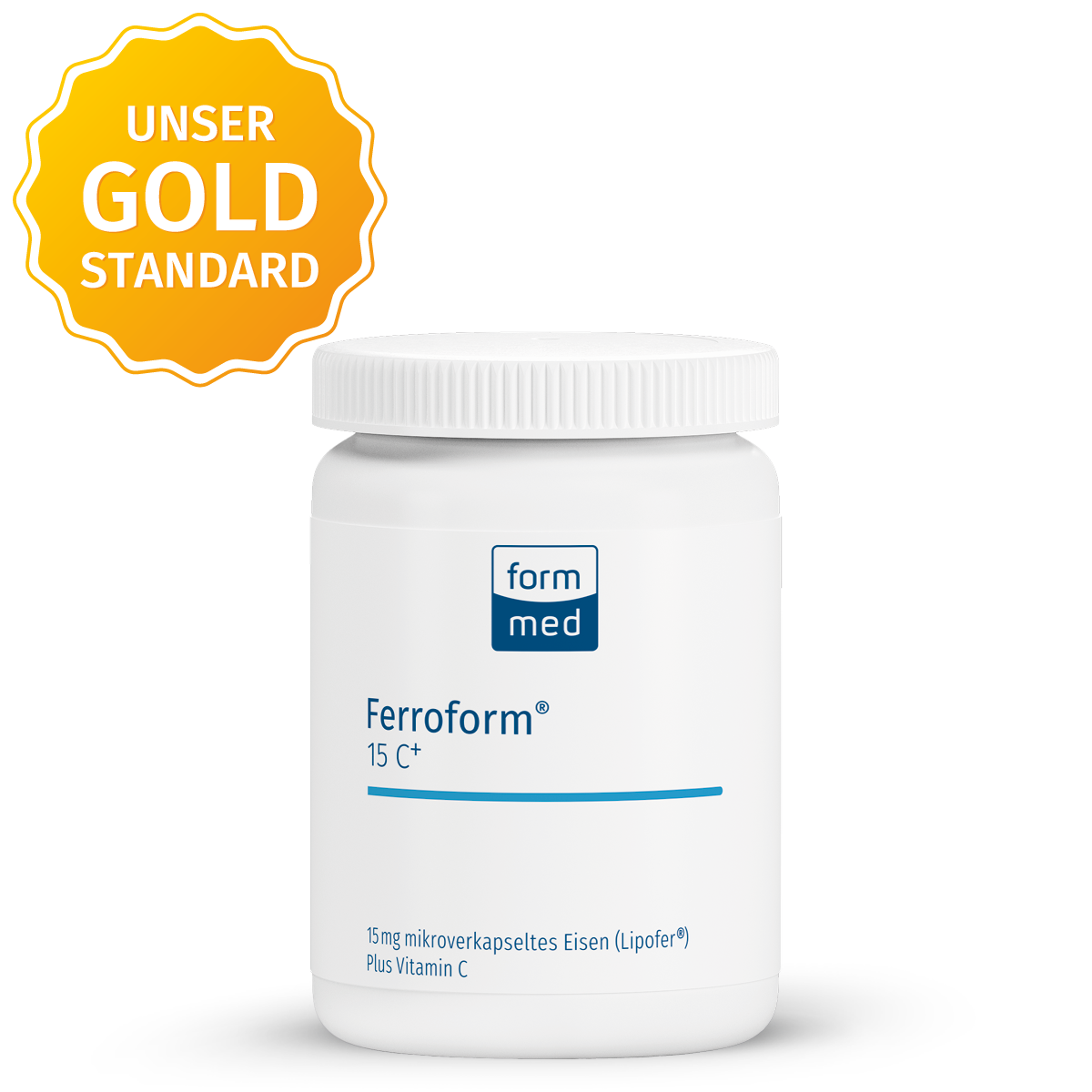
15 mg microencapsulated iron with 150 mg Vitamin C – plus Copper and Vitamin B2
Ready for immediate dispatch - Delivery time approx. 1-3 days
References
Cepeda-Lopez, A. C. et al. (2010): Does obesity increase risk for iron deficiency? A review of the literature and the potential mechanisms. Int J Vitam Nutr Res. 80(4-5):263-70. https://pubmed.ncbi.nlm.nih.gov/21462109
Damian, M.-T. et al. (2021): Anemia in Sports: A Narrative Review. Life (Basel). 11(9): 987. https://www.ncbi.nlm.nih.gov/labs/pmc/articles/PMC8472039
Dziembowska, I. et al. (2022): Caffeine and alcohol - Friends or foes of human iron stores? J Trace Elem Med Biol. 71:126922. https://pubmed.ncbi.nlm.nih.gov/35063815/
Gröber, U. (2011): Mikronährstoffe. Metabolic Tuning – Prävention – Therapie. 3. Aufl. Wissenschaftliche Verlagsgesellschaft mbH Stuttgart.
Kassebaum, N. J. et al. (2014): A systematic analysis of global anemia burden from 1990 to 2010. Blood. 123(5): 615–624. https://www.ncbi.nlm.nih.gov/labs/pmc/articles/PMC3907750/
Le, C. H. H. (2016): The Prevalence of Anemia and Moderate-Severe Anemia in the US Population (NHANES 2003-2012). PLoS One. 11(11): e0166635. https://www.ncbi.nlm.nih.gov/labs/pmc/articles/PMC5112924/
Lee, H. J. (2010): A Prospective Evaluation of Adult Men with Iron Deficiency Anemia. Blood 116 (21): 2054. https://www.sciencedirect.com/science/article/pii/S0006497119441219
Levi, M. et al. (2019): Gender differences in determinants of iron-deficiency anemia: a population-based study conducted in four European countries. Ann Hematol. 98(7):1573-1582. https://pubmed.ncbi.nlm.nih.gov/31073646/
MacLean, B. et al. (2023): Identification of women and girls with iron deficiency in the reproductive years. Int J Gynaecol Obstet. 162 Suppl 2:58-67. https://pubmed.ncbi.nlm.nih.gov/37538015/
Pawlak, R. et al. (2018): Iron Status of Vegetarian Adults: A Review of Literature. Am J Lifestyle Med. 12(6): 486–498. https://www.ncbi.nlm.nih.gov/labs/pmc/articles/PMC6367879