Micronutrients for mental health
Most of us are familiar with periods when worries take over or our mood is noticeably low. There are different ways of dealing with such emotional stress. Diet can also play a role in mental health. Certain vitamins and minerals support the nervous system and can help to restore emotional balance.
By the way: If you’d like to receive regular updates about micronutrients and our supplements, sign up with FormMed Select – absolutely free and with no obligation. You’ll regularly receive the FormMed News and enjoy many additional valuable benefits, including free shipping on all orders!
Preparations for the psyche
Ready for immediate dispatch - Delivery time approx. 1-3 days
Ready for immediate dispatch - Delivery time approx. 1-3 days
Also useful

375 mg purest Omega-3 fatty acids rich in EPA – particularly bioavailable from certified sustainable wild catch
Ready for immediate dispatch - Delivery time approx. 1-3 days
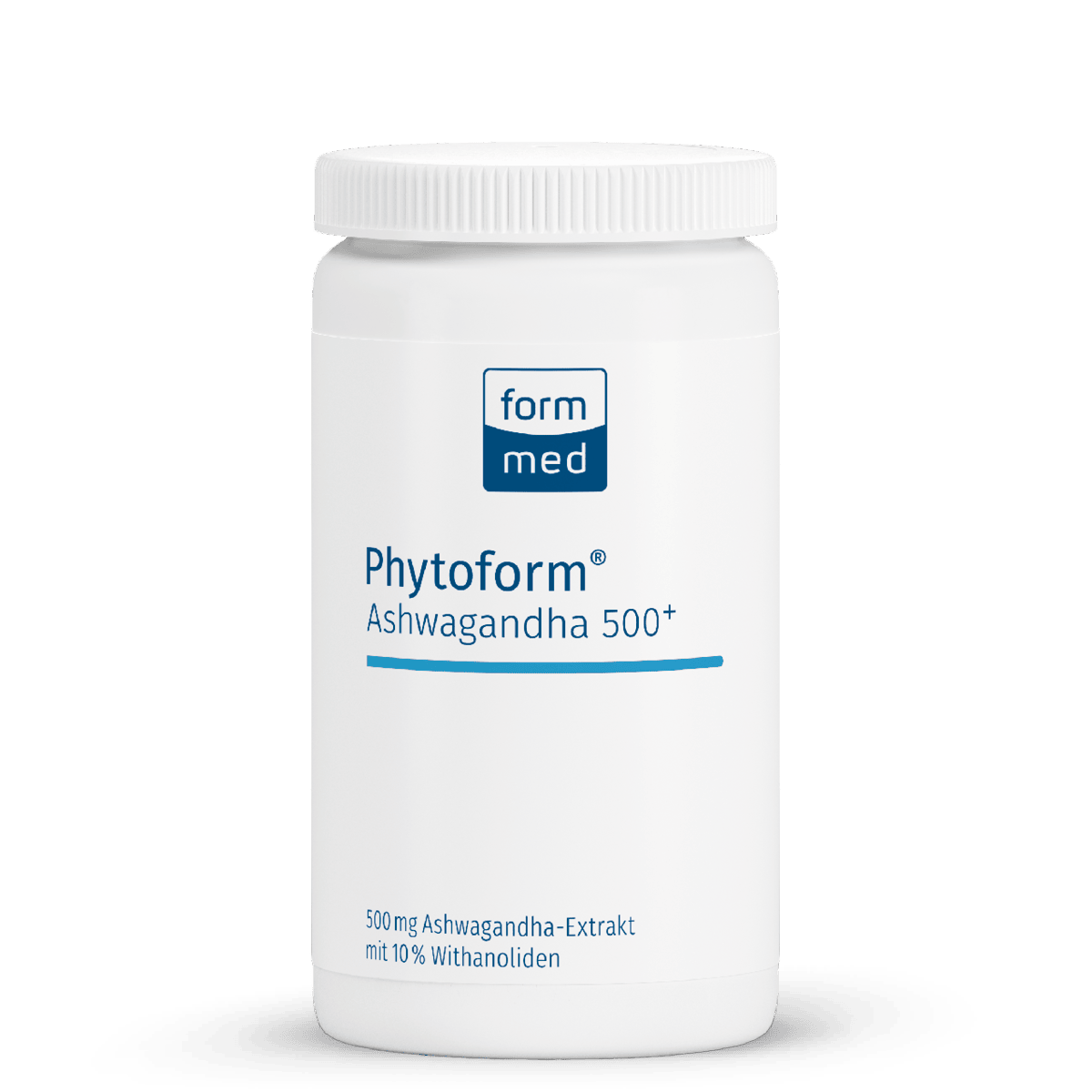
500 mg Ashwagandha extract with high Withanolides content
Ready for immediate dispatch - Delivery time approx. 1-3 days
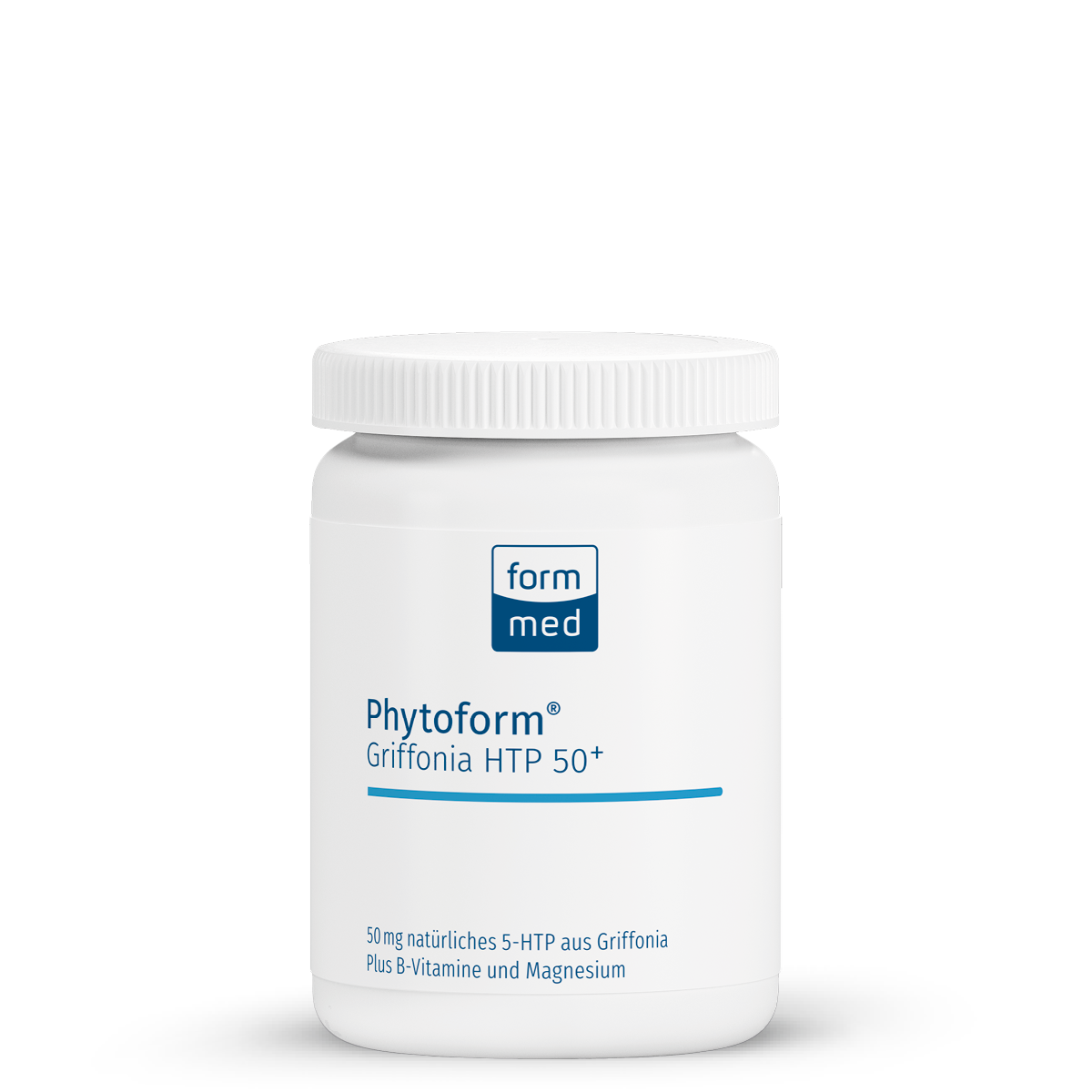
50 mg natural 5-HTP from Griffonia plus magnesium and B vitamins
Ready for immediate dispatch - Delivery time approx. 1-3 days
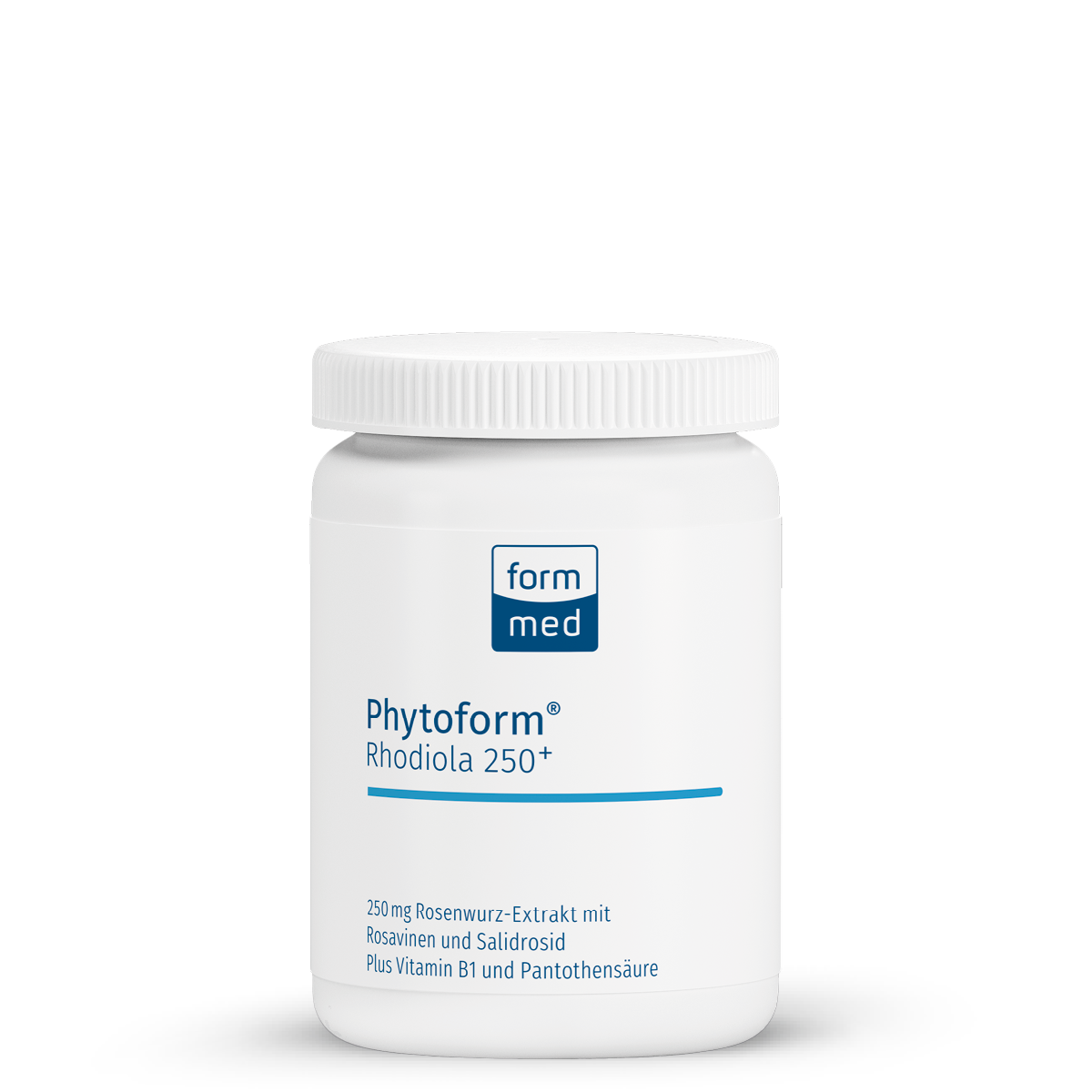
250 mg rhodiola root extract (plus vitamin B1 and pantothenic acid)
Ready for immediate dispatch - Delivery time approx. 1-3 days
Micronutrient basis for mental health: vitamins and minerals
Mental well-being is the result of a complex interaction between the nerves, brain, and psyche – and a good supply of micronutrients is crucial for this. The following vitamins and minerals contribute to the normal functioning of the nervous system and psyche:
- B vitamins such as B1, B6, and B12 are important, for example, for the production of neurotransmitters such as the happiness hormone serotonin.
- Magnesium plays a role in ensuring that signals are transmitted smoothly between nerve cells.
In addition, a connection between mental health and vitamin D is suspected. Especially in the fall, when moods are often lower, the body no longer produces vitamin D due to weak sunlight. Studies show that low levels are associated with mood swings
Omega-3, tryptophan, and plant power for your well-being
Certain fatty acids, protein building blocks, and plant substances also play a role in mood and stress management:
- Omega-3 fatty acids EPA and DHA are important components of cell membranes and support normal brain and heart function.
- Tryptophan is an essential amino acid and an important building block of serotonin.
- Rhodiola rosea and ashwagandha have been used for centuries to keep the body and mind in balance.
With the right micronutrients, you give your body and mind exactly what they need for mental balance and inner strength.
Literature
Ghaemi, S. et al. (2024): The effect of vitamin D supplementation on depression: a systematic review and dose-response meta-analysis of randomized controlled trials. Psychol Med. 54(15):1-10. https://pubmed.ncbi.nlm.nih.gov/39552387/
Huang, Y. et al. (2025): Impact of dietary magnesium intake on depression risk in American adults: a cross-sectional study of the National Health and Nutrition Examination Survey 2005–2020. Front Nutr. 12:1484344. https://pmc.ncbi.nlm.nih.gov/articles/PMC11839435/
Lopresti, A. L. et al. (2019): An investigation into the stress-relieving and pharmacological actions of an ashwagandha (Withania somnifera) extract: A randomized, double-blind, placebo-controlled study. Medicine (Baltimore). 98(37):e17186. https://pubmed.ncbi.nlm.nih.gov/31517876/
Mahdavifar, B. et al. (2021): Dietary intake of B vitamins and their association with depression, anxiety, and stress symptoms: A cross-sectional, population-based survey. J Affect Disord. 288:92-98. https://pubmed.ncbi.nlm.nih.gov/33848753/
Speers, A. B. et al. (2021): Effects of Withania somnifera (Ashwagandha) on Stress and the Stress-Related Neuropsychiatric Disorders Anxiety, Depression, and Insomnia. Curr Neuropharmacol. 19(9):1468–1495. https://pmc.ncbi.nlm.nih.gov/articles/PMC8762185/
Stojcheva, E. I. & Quintela, J. C. (2022): The Effectiveness of Rhodiola rosea L. Preparations in Alleviating Various Aspects of Life-Stress Symptoms and Stress-Induced Conditions—Encouraging Clinical Evidence. Molecules. 27(12):3902. https://pmc.ncbi.nlm.nih.gov/articles/PMC9228580/
 10% discount on your next orderAlways free shippingPersonal discounts and offersExclusive content
 10% discount on your next orderAlways free shippingPersonal discounts and offersExclusive content