
Why Micronutrients Are Also Important for Blood Sugar Metabolism
When it comes to blood sugar, many people primarily think about avoiding sugar. That is important – but it is not everything. For the body to properly utilise sugar from food, a finely tuned interplay within metabolism is required. The hormone insulin plays a key role in this process: it ensures that sugar is transported from the bloodstream into the cells, where it can be used as a source of energy.
Certain micronutrients are also involved in these processes. Anyone wishing to support their blood sugar levels in everyday life should therefore not only focus on reducing sugar intake, but also on ensuring an adequate supply of micronutrients. On this page, we present suitable supplements for this purpose.
By the way: If you would like to receive regular updates about micronutrients and our supplements, we recommend our FormMed Select Benefits Programme. In addition to the FormMed News with up-to-date information, it offers many other valuable advantages! Of course, FormMed Select is completely free of charge and without obligation.
Always the Right Supplement

Ready for immediate dispatch - Delivery time approx. 1-3 days
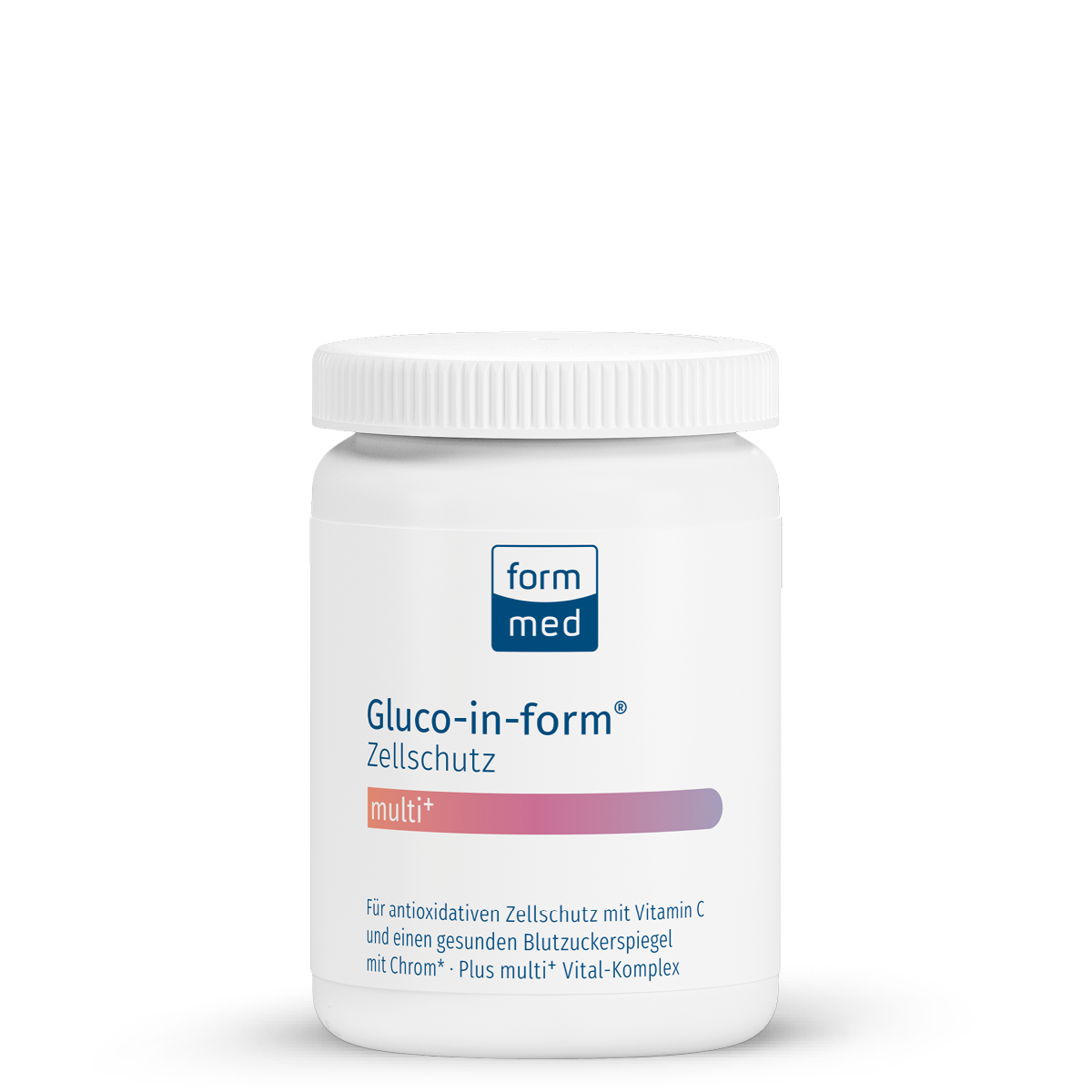
Ready for immediate dispatch - Delivery time approx. 1-3 days
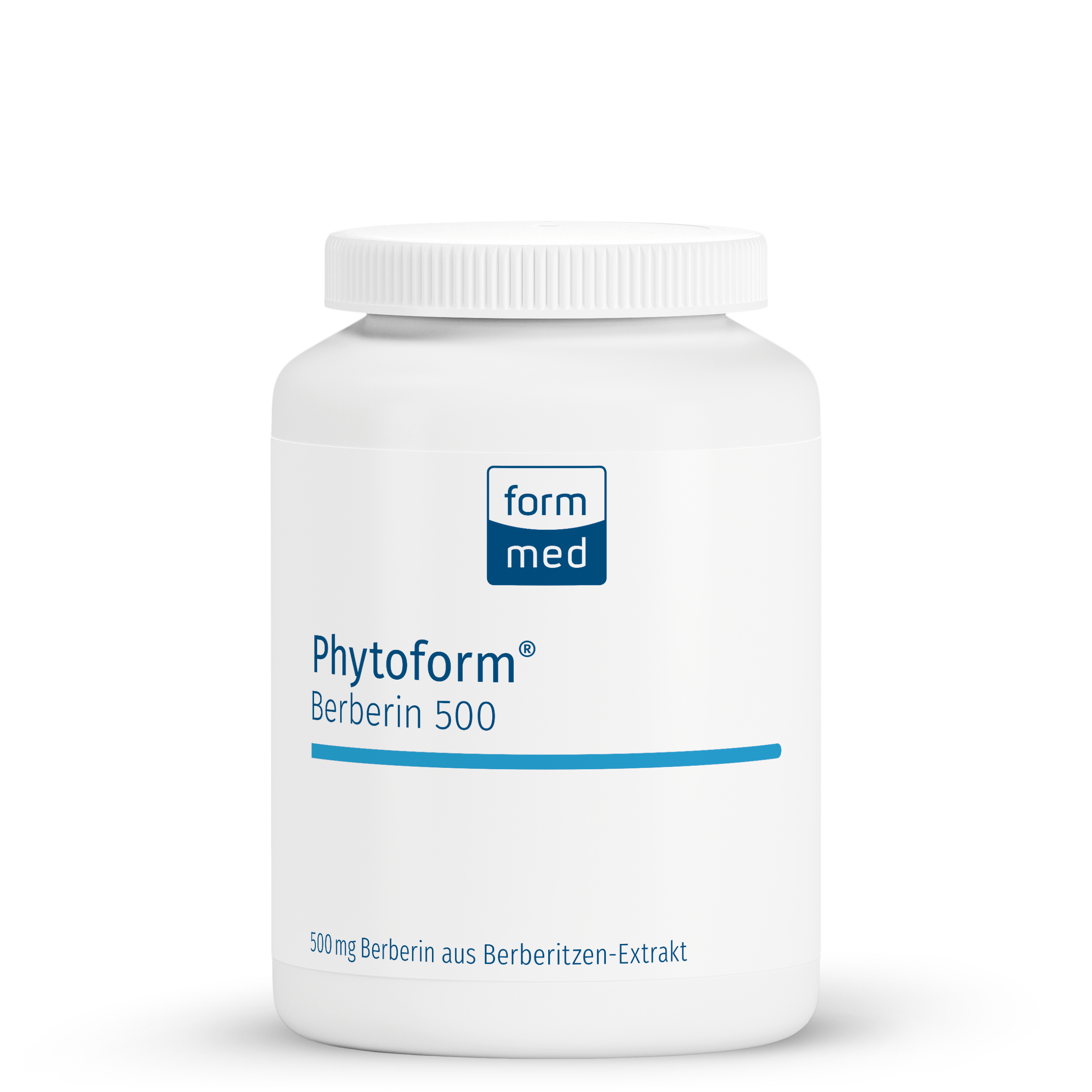
Ready for immediate dispatch - Delivery time approx. 1-3 days
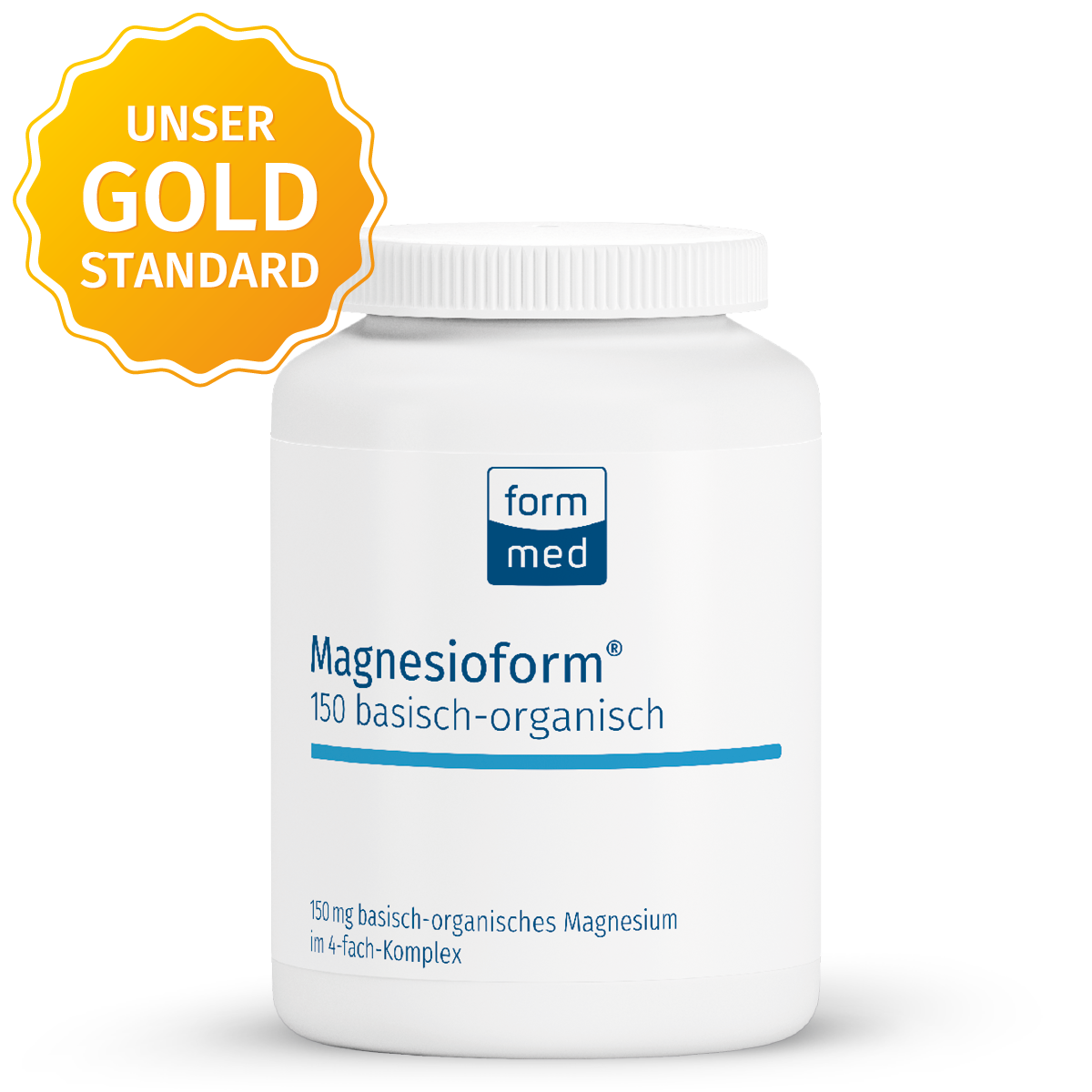
150 mg highly bioavailable Magnesium in a basic-organic 4-complex
Ready for immediate dispatch - Delivery time approx. 1-3 days
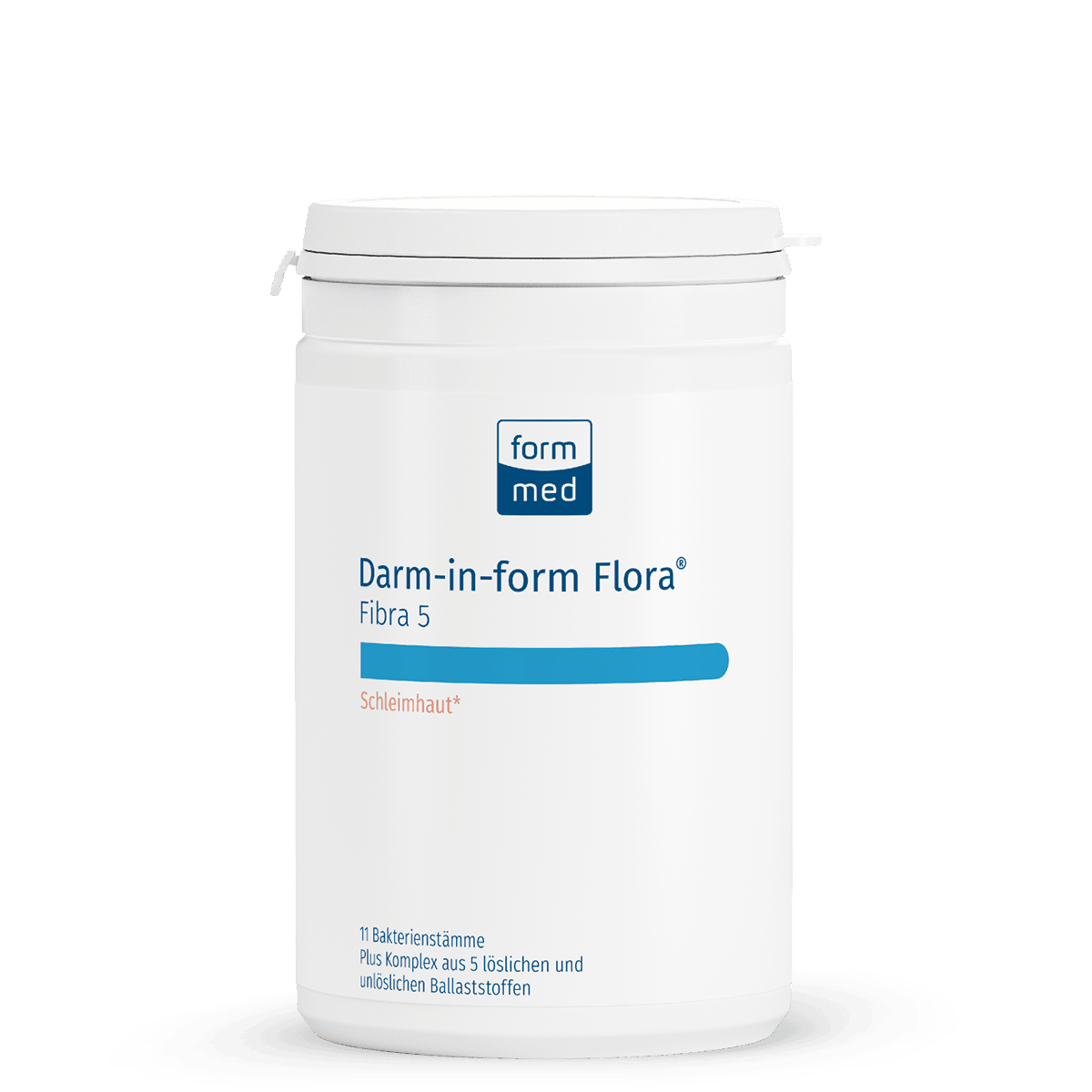
Ready for immediate dispatch - Delivery time approx. 1-3 days
Minerals – Why They Are Important for Blood Sugar
Blood sugar metabolism is a complex interplay. Certain minerals help to keep these processes in balance.
Chromium supports the action of insulin at the cells.
Zinc is involved in the production, storage and release of insulin.
Magnesium plays a role in energy metabolism and in the breakdown of sugar.
An adequate supply is therefore an important building block for stable blood sugar levels.
Fibre and Plant Compounds: Key Approaches in Metabolism
Dietary fibre slows down carbohydrate absorption and contributes to a more stable rise in blood sugar after meals.
It also serves as “food” for gut bacteria. During fermentation, short-chain fatty acids are produced, which are associated with insulin sensitivity and support a healthy gut microbiota.
Plant compounds from cinnamon, bitter melon and barberry are also being studied in relation to blood sugar metabolism.
In addition to a balanced diet, specifically combined micronutrients can help to further support metabolism in everyday life.
Literature
Guo, J. et al. (2021): The Effect of Berberine on Metabolic Profiles in Type 2 Diabetic Patients: A Systematic Review and Meta-Analysis of Randomized Controlled Trials. Oxid Med Cell Longev. 15;2021:2074610. https://pubmed.ncbi.nlm.nih.gov/34956436/
Hajnal, F. et al. (2026): The Role of Dietary Fibres in the Management of Type 2 Diabetes: A Synthesis of Current Evidence and Clinical Implications. Nutrients, 18(4), 691. https://pmc.ncbi.nlm.nih.gov/articles/PMC12942710/
Li, G. et al. (2023): The effects of probiotics supplementation on glycaemic control among adults with type 2 diabetes mellitus: a systematic review and meta-analysis of randomised clinical trials. J Transl Med. 21(1), 442. https://pmc.ncbi.nlm.nih.gov/articles/PMC10324246/
Moridpour, A.H. et al. (2024): The effect of cinnamon supplementation on glycaemic control in patients with type 2 diabetes mellitus: An updated systematic review and dose-response meta-analysis of randomized controlled trials. Phytother Res. 38(1):117-130. https://pubmed.ncbi.nlm.nih.gov/37818728/
Nazari, M. et al. (2024): Zinc Supplementation in Individuals with Prediabetes and type 2 Diabetes: a GRADE-Assessed Systematic Review and Dose-Response Meta-analysis. Biol Trace Elem Res. 202(7):2966-2990. https://pubmed.ncbi.nlm.nih.gov/37870684/
Veronese, N. et al. (2021). Oral Magnesium Supplementation for Treating Glucose Metabolism Parameters in People with or at Risk of Diabetes: A Systematic Review and Meta-Analysis of Double-Blind Randomized Controlled Trials. Nutrients, 13(11), 4074.https://pmc.ncbi.nlm.nih.gov/articles/PMC8619199/ Xu, B. et al. (2022): Bioactives of Momordica charantia as Potential Anti-Diabetic/Hypoglycaemic Agents. Molecules. 28;27(7):2175. https://pubmed.ncbi.nlm.nih.gov/35408574/
 10 % Rabatt auf Ihre nächste BestellungImmer gratis VersandPersönliche Vergünstigungen und AngeboteExklusive Inhalte
 10 % Rabatt auf Ihre nächste BestellungImmer gratis VersandPersönliche Vergünstigungen und AngeboteExklusive Inhalte