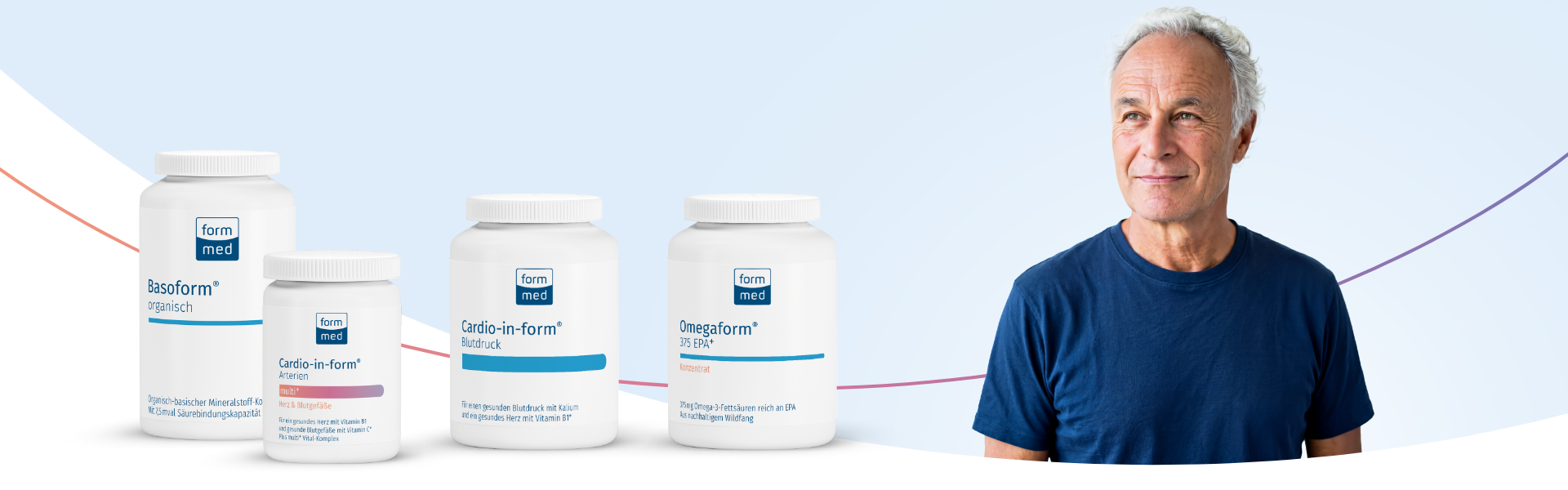
Heat? What Your Heart and Blood Vessels Need in Summer
High temperatures can be a challenge — especially for the cardiovascular system. In hot weather, blood vessels widen to help the body release heat. As a result, the heart has to work harder to keep circulation stable. At the same time, the body loses important minerals through increased sweating.
Here you can find out which micronutrients can provide targeted support for your cardiovascular system during the summer months.
By the way: If you would like to receive regular updates about micronutrients and our supplements, we recommend our FormMed Select Benefits Programme. In addition to the FormMed News with up-to-date information, it offers many other valuable advantages. Of course, FormMed Select is completely free of charge and without obligation.
Always the Right FormMed Supplement
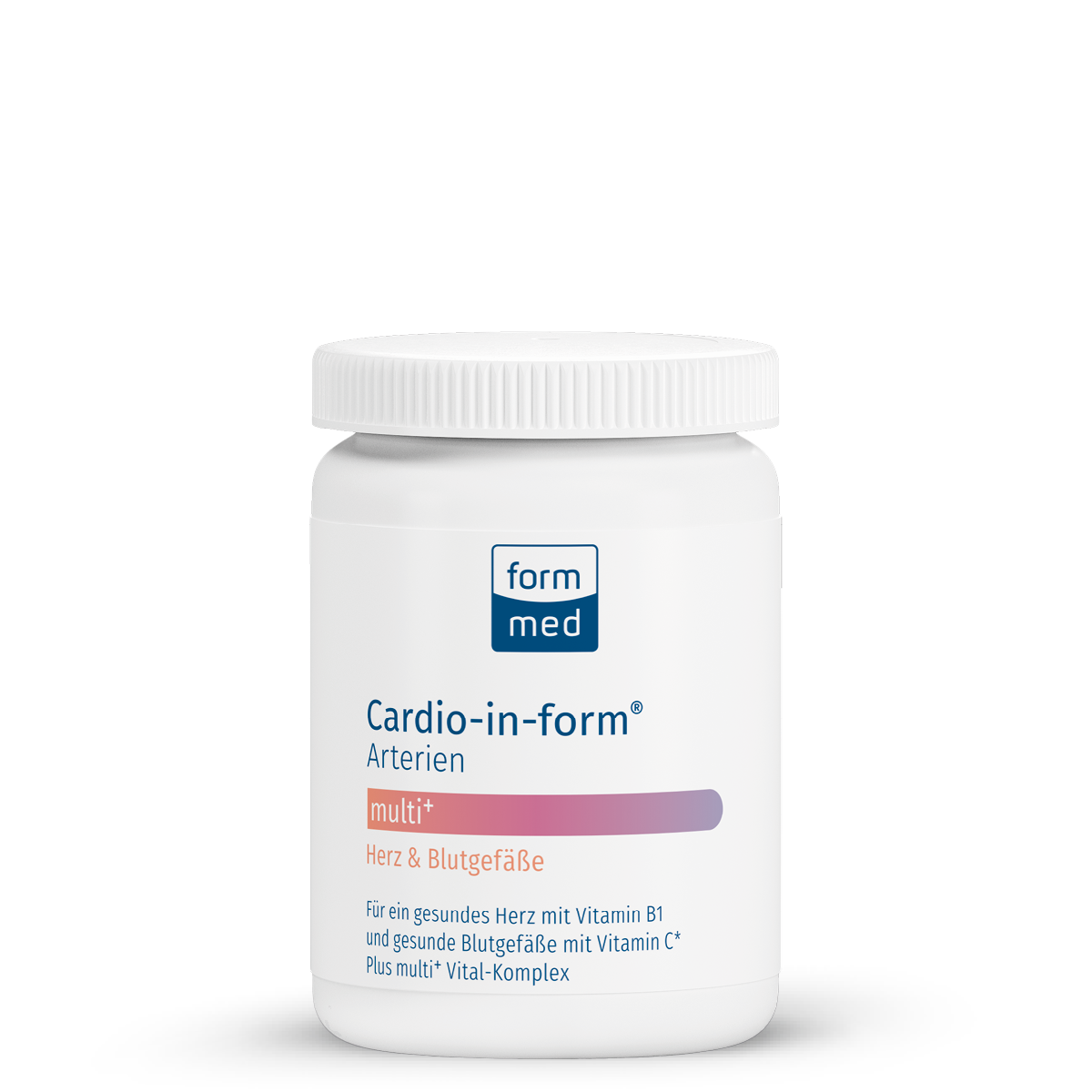
Ready for immediate dispatch - Delivery time approx. 1-3 days
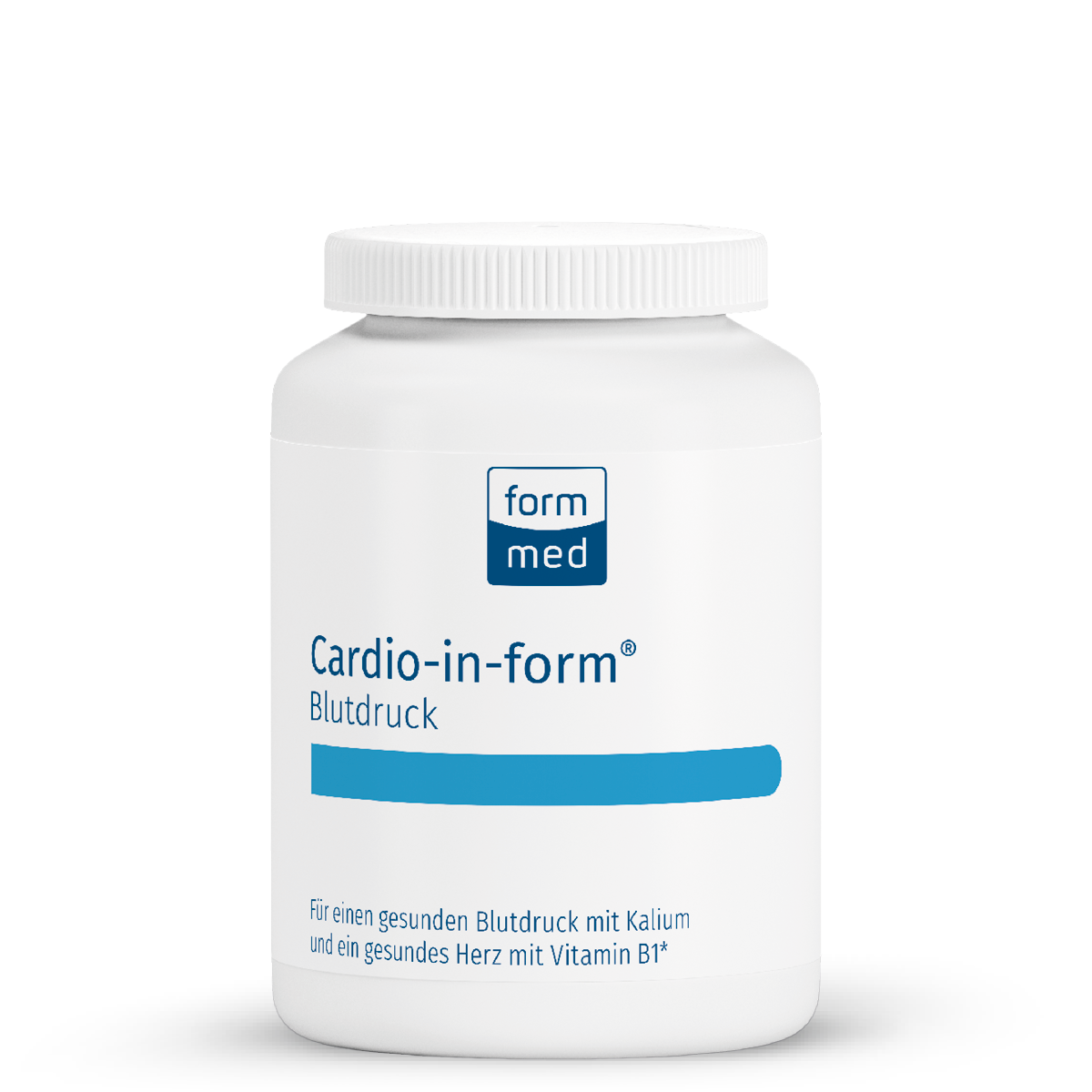
Ready for immediate dispatch - Delivery time approx. 1-3 days

Organic basic mineral combination
Ready for immediate dispatch - Delivery time approx. 1-3 days

375 mg purest Omega-3 fatty acids rich in EPA – particularly bioavailable from certified sustainable wild catch
Ready for immediate dispatch - Delivery time approx. 1-3 days
Minerals: How Sweating Affects the Cardiovascular System
When you sweat, you lose not only water but also minerals such as magnesium and potassium – both electrolytes that help regulate heart rhythm and blood pressure.
- Magnesium supports normal muscle function – including the heart muscle.
- Potassium helps maintain normal blood pressure.
An adequate supply of minerals is especially important during hot weather, when blood vessels dilate and blood pressure may fluctuate. If fluid loss is not replaced promptly, the blood becomes more concentrated and the heart has to work harder to pump it – drinking enough fluids helps prevent this.
B Vitamins and Coenzyme Q10: When the Heart Needs Energy
In hot weather, the heart beats faster to keep the circulation stable – and that requires energy. Vitamins B1, B2 and B3 help cells produce the energy they need. Coenzyme Q10 is a substance naturally produced by the body and stored in particularly high concentrations in the heart. It plays an important role in cellular energy production. As we age, the body's own production may decline.
Omega-3 Fatty Acids: How DHA and EPA Support the Heart
The omega-3 fatty acids DHA and EPA play an important role in heart health: they contribute to the normal function of the heart. In addition, researchers are investigating whether omega-3 fatty acids may also help improve the flow properties of blood.
References
Adeyeye, T.E. et al. (2019): Estimating policy-relevant health effects of ambient heat exposures using spatially contiguous reanalysis data. Environ Health. 18(1):35. https://pmc.ncbi.nlm.nih.gov/articles/PMC6471902/
Argeros, Z. et al. (2025): Magnesium Supplementation and Blood Pressure: A Systematic Review and Meta-Analysis of Randomized Controlled Trials. Hypertension. 82(11):1844–1856. https://pubmed.ncbi.nlm.nih.gov/41000008/
Lei, L. & Liu, Y. (2017): Efficacy of coenzyme Q10 in patients with cardiac failure: A meta-analysis of clinical trials. BMC Cardiovasc Disord. 17(1):196. https://pubmed.ncbi.nlm.nih.gov/28738783/
Yan, J. et al. (2022): Efficacy and Safety of Omega-3 Fatty Acids in the Prevention of Cardiovascular Disease: A Systematic Review and Meta-Analysis. Cardiovasc Drugs Ther. 38(4):799–817. https://doi.org/10.1007/s10557-022-07379-z
Zhang, X. et al. (2022): Omega-3 Polyunsaturated Fatty Acids Intake and Blood Pressure: A Dose-Response Meta-Analysis of Randomized Controlled Trials. J Am Heart Assoc. 11(11):e025071. https://pubmed.ncbi.nlm.nih.gov/35647665/
 10 % Rabatt auf Ihre nächste BestellungImmer gratis VersandPersönliche Vergünstigungen und AngeboteExklusive Inhalte
 10 % Rabatt auf Ihre nächste BestellungImmer gratis VersandPersönliche Vergünstigungen und AngeboteExklusive Inhalte