Autumn and winter blues:
Micronutrients in the dark season
Are you one of those people for whom the dark season sooner or later gets on your nerves? No matter how cosy the long evenings at home can be - if you don't have a certain amount of light during the day, your psyche will eventually reach its limits. The autumn and winter blues set in. Read here how micronutrients can support you now.
Preparations for the dark season
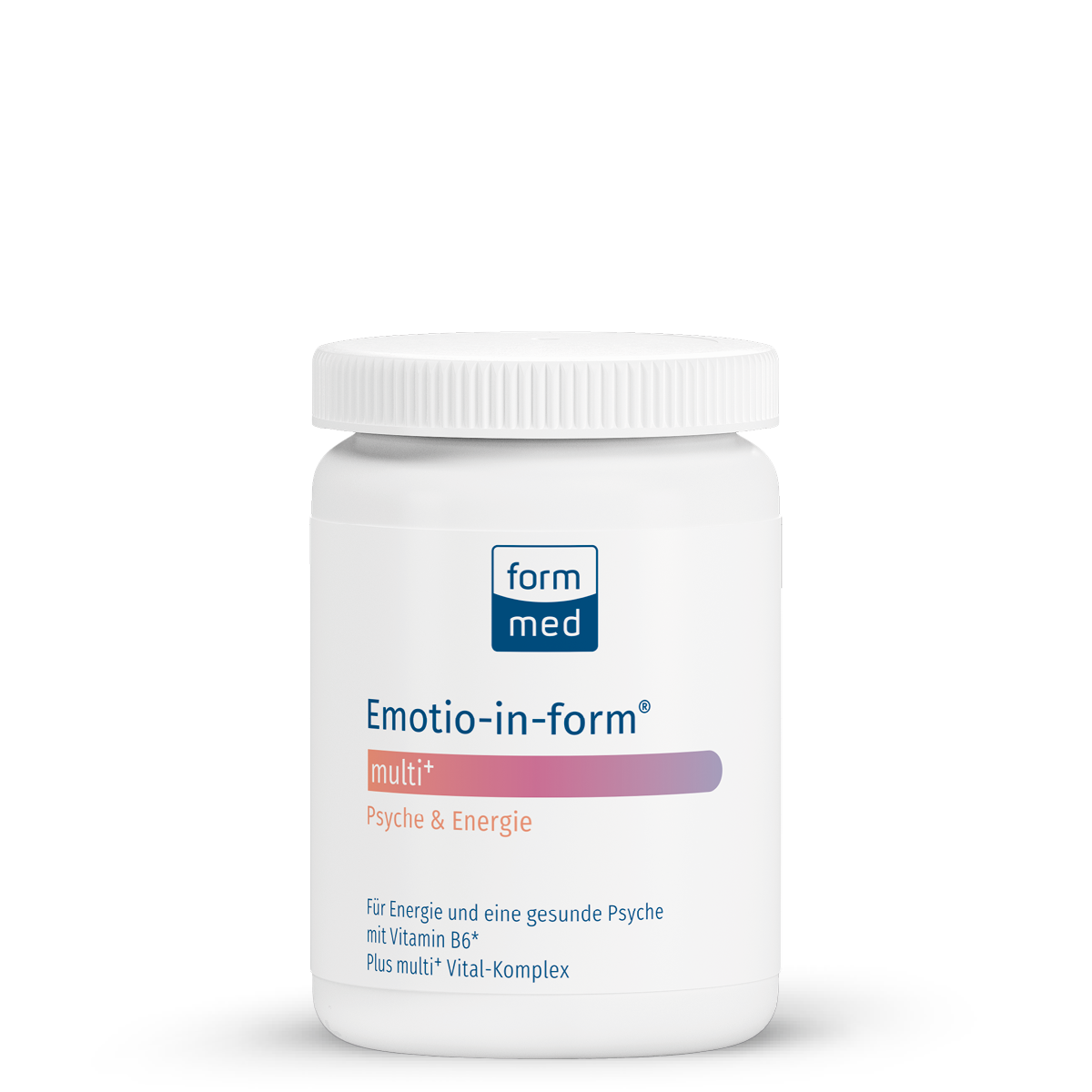
Ready for immediate dispatch - Delivery time approx. 1-3 days
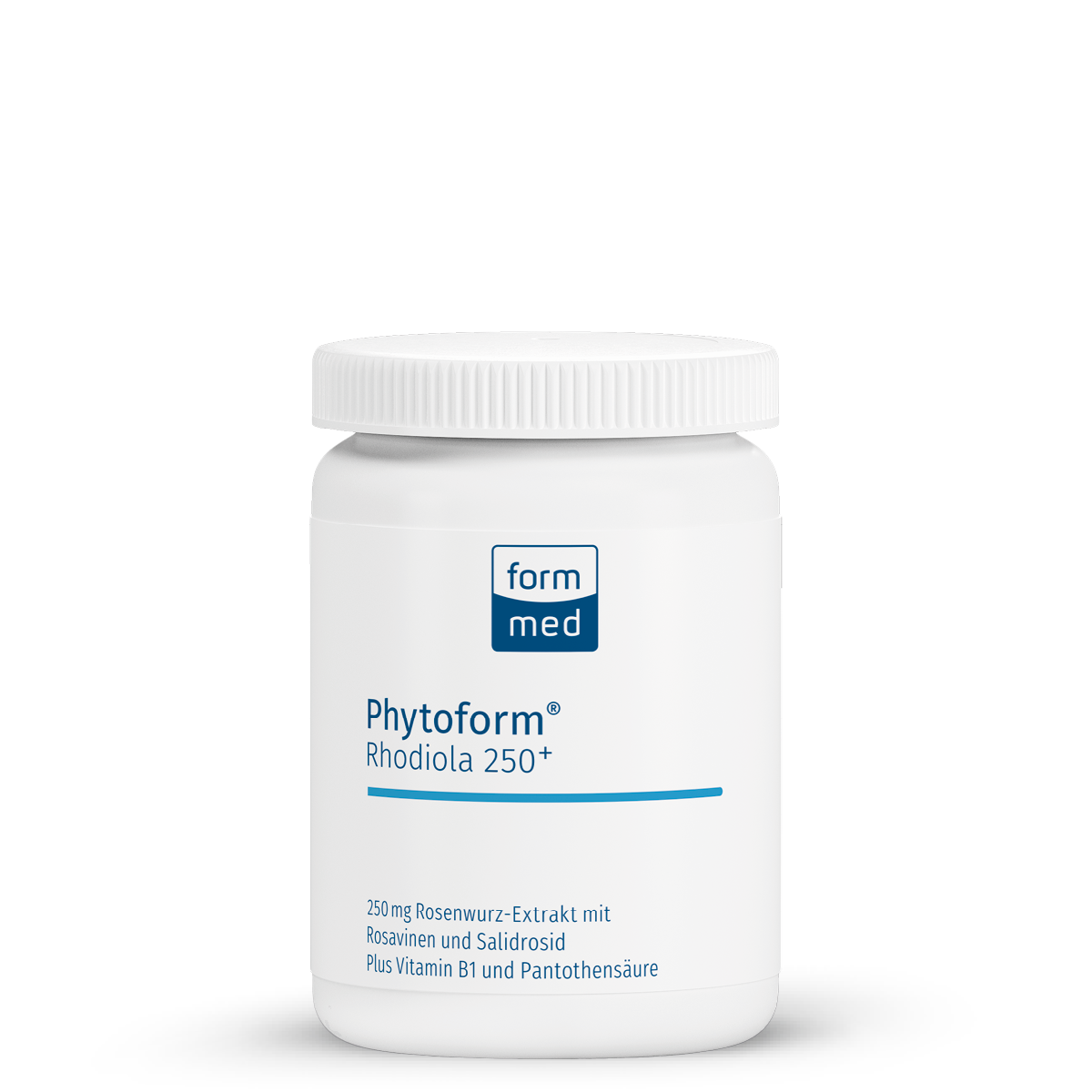
250 mg rhodiola root extract (plus vitamin B1 and pantothenic acid)
Ready for immediate dispatch - Delivery time approx. 1-3 days
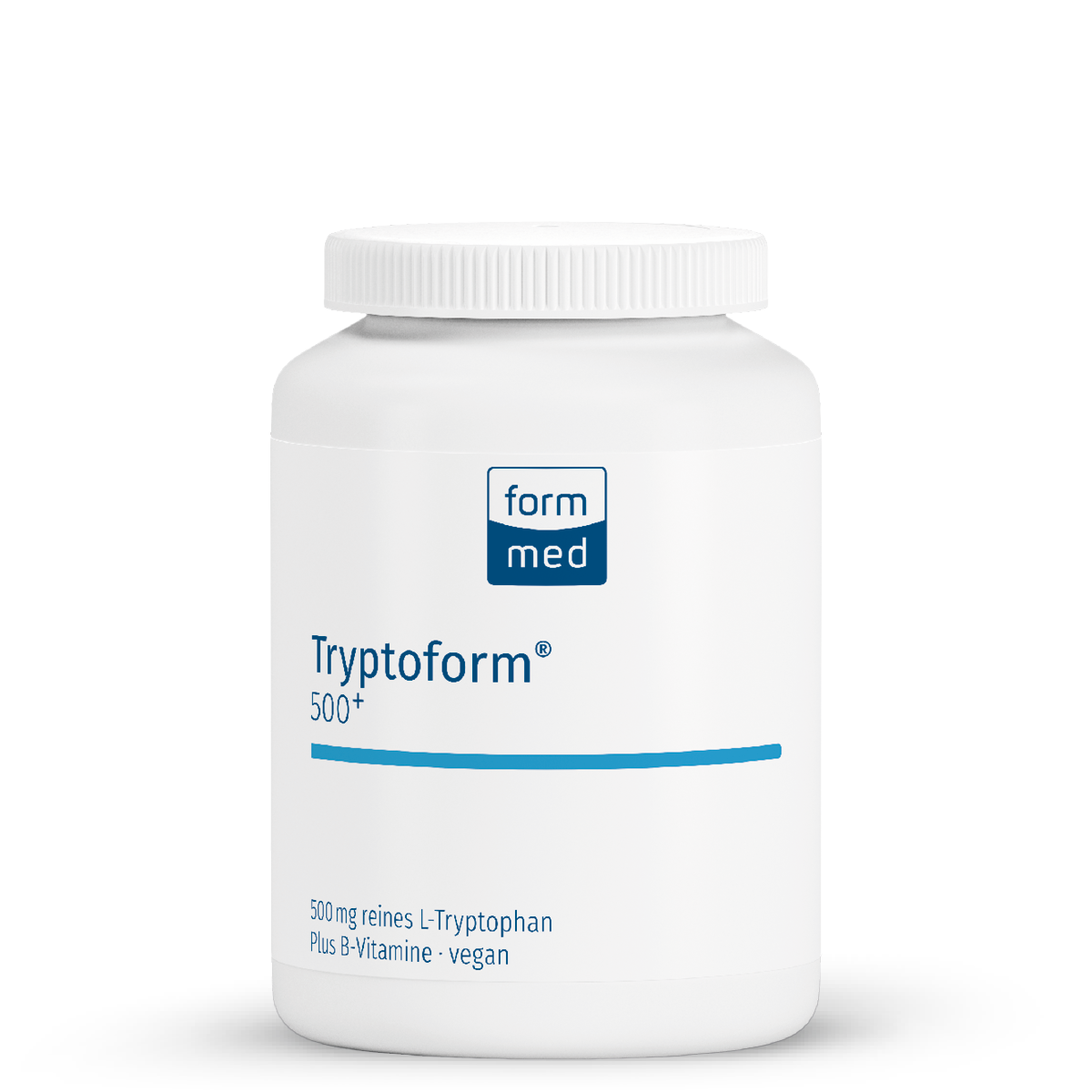
500 mg pure fermented L-tryptophan plus B vitamins – vegan
Ready for immediate dispatch - Delivery time approx. 1-3 days
Autumn blues and winter blues: causes, symptoms and measures
The cause of autumn and later winter blues is probably an imbalance in the hormone balance. Due to the lack of daylight, less of the happiness hormone serotonin and more of the sleep hormone melatonin is produced.
The autumn blues or winter blues can manifest itself in the following symptoms: Lack of desire and drive, tiredness, cravings and, in worse cases, a seasonal depressive mood.
Fortunately, you can do something about autumn and winter blues. It is important to get enough light - for example with a daylight lamp and regular outdoor exercise. However, a sufficient supply of vitamins and the like also contributes to a good mood.
B vitamins for the psyche and energy
B vitamins are important for the development, regeneration and protection of nerve cells. They also support the balance of neurotransmitters. Vitamin B6, for example, contributes to normal mental function as it is involved in the production of serotonin. B vitamins such as B1, B2 and B12 are also cofactors in energy metabolism.
In the darker months of the year, you should therefore cover your need for B vitamins - in addition to your diet, for example with a high-quality supplement for basic protection.
Vitamin D for autumn and winter blues
In the darker months of the year, the sun's rays are too weak to produce vitamin D in the skin itself. In numerous observational studies, scientists have established a link between a vitamin D deficiency and a gloomy mood.
This is why it can be particularly worthwhile to get enough vitamin D if you have the autumn or winter blues - for example through fish in your diet or supplements. If you want to take vitamin D, it is best to have your vitamin D level checked by a therapist.
Tryptophan: building block for neurotransmitters
The amino acid tryptophan is the starting material for the happiness hormone serotonin. Amino acids are the building blocks of proteins, and protein is the most important building material in our body. Not only muscles need amino acids and protein, hormones and messenger substances are also made from them.
Rhodiola - the secret weapon of the Vikings?
Roseroot (Rhodiola rosea) is a plant of the family Rhodiolaceae. It is native to the Arctic Circle and higher mountain regions. Due to its valuable ingredients - rosavins and salidroside - rhodiola has been valued as a plant adaptogen in Scandinavia and Siberia for centuries. An adaptogen is a substance that helps the body and mind to cope better with challenging situations. The dark season can be such a situation for some people.
Legend has it that the Vikings harvested roseroot from the rocky cliffs of the coast in the Middle Ages. The people are said to have used the root of the plant to prepare a tea to strengthen themselves.
Literature
Amsterdam, J. D. & Panossian. A. G. (2016): Rhodiola rosea L. as a putative botanical antidepressant. Phytomedicine. 23(7):770-83.
https://pubmed.ncbi.nlm.nih.gov/27013349/
Bernatoniene, J. et al. (2023): Phenolic Compounds of Rhodiola rosea L. as the Potential Alternative Therapy in the Treatment of Chronic Diseases. Int J Mol Sci. 24(15): 12293.
https://www.ncbi.nlm.nih.gov/pmc/articles/PMC10418374/
Cheng, Y.-C. et al. (2020): The effect of vitamin D supplement on negative emotions: A systematic review and meta-analysis. Depress Anxiety. 37(6):549-564.
https://pubmed.ncbi.nlm.nih.gov/32365423/
Gensthaler, G. (2005): Roseroot. An adaptogen from Siberia. Pharmazeutische Zeitung, issue 21.
https://www.pharmazeutische-zeitung.de/pharm2-21-2005/
Gröber, U. (2011): Micronutrients. Metabolic Tuning - Prevention - Therapy. 3rd ed. Wissenschaftliche Verlagsgesellschaft mbH Stuttgart.
Ivanova Stojcheva, E. et al. (2022): The Effectiveness of Rhodiola rosea L. Preparations in Alleviating Various Aspects of Life-Stress Symptoms and Stress-Induced Conditions-Encouraging Clinical Evidence. Molecules. 27(12):3902
https://pubmed.ncbi.nlm.nih.gov/35745023/
Jahan-Mihan, A. et al. (2024): The Role of Water-Soluble Vitamins and Vitamin D in Prevention and Treatment of Depression and Seasonal Affective Disorder in Adults. Nutrients. 16(12): 1902.
https://www.ncbi.nlm.nih.gov/pmc/articles/PMC11206829/