Micronutrients for Healthy Joint Cartilage
Anyone who suffers from chronic joint discomfort is likely familiar with this: When the weather is cold and damp, pain and restricted mobility tend to become noticeably more frequent. Especially during the winter months, like now in February, many joints feel stiffer and more sensitive.
On this page, we explore possible causes of joint pain in winter and explain how the cartilage in your joints can benefit from vitamins and other micronutrients — and which ones play a particularly important role.
By the way: If you would like to receive regular updates about micronutrients and our supplements, we recommend our FormMed Select Rewards Program. In addition to the FormMed News with the latest information, it offers many other valuable benefits. Of course, FormMed Select is completely free of charge and without obligation.
Supplements for Bones and Cartilage, Such as in the Joints

Ready for immediate dispatch - Delivery time approx. 1-3 days
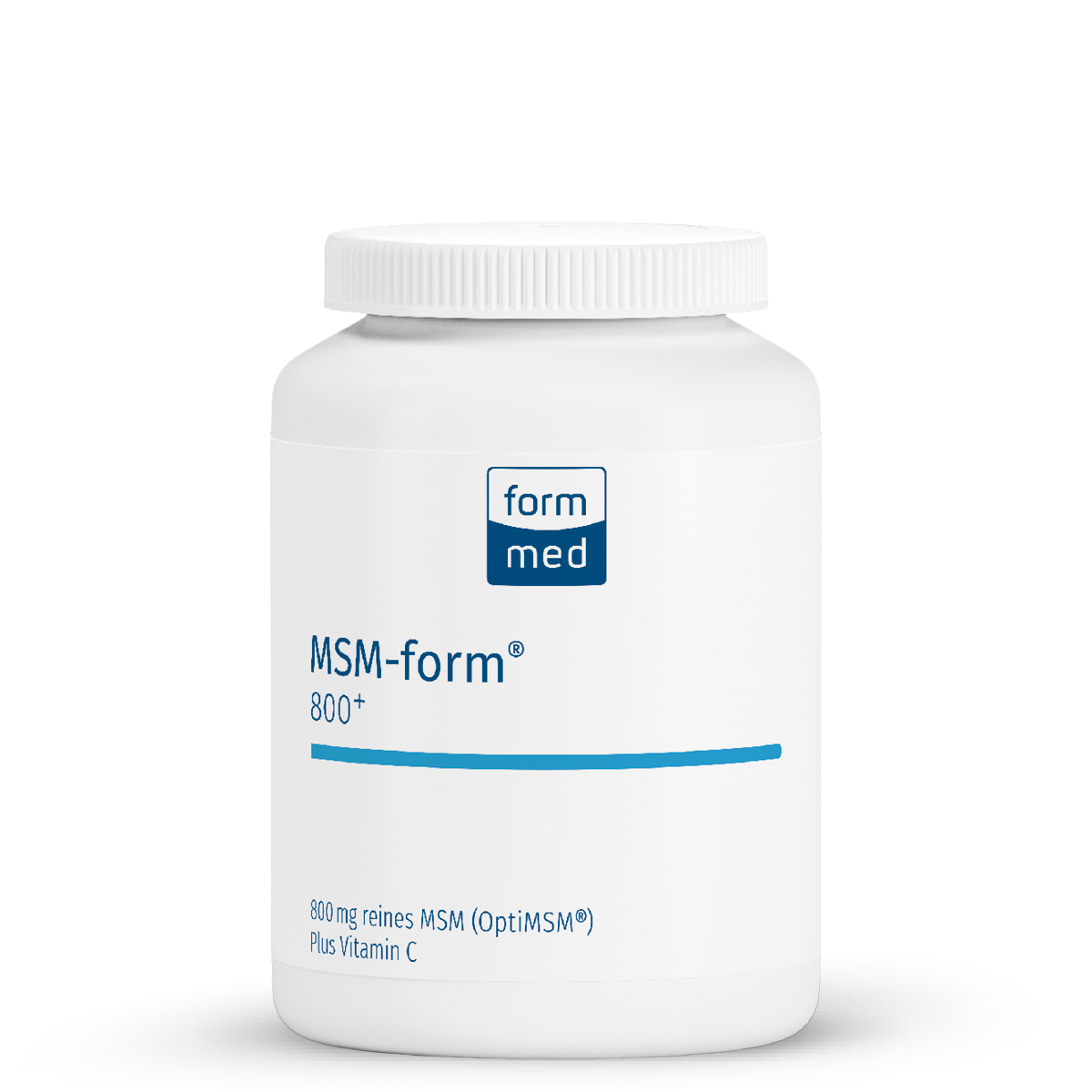
800 mg purest MSM with natural organic sulfur – plus Vitamin C
Ready for immediate dispatch - Delivery time approx. 1-3 days
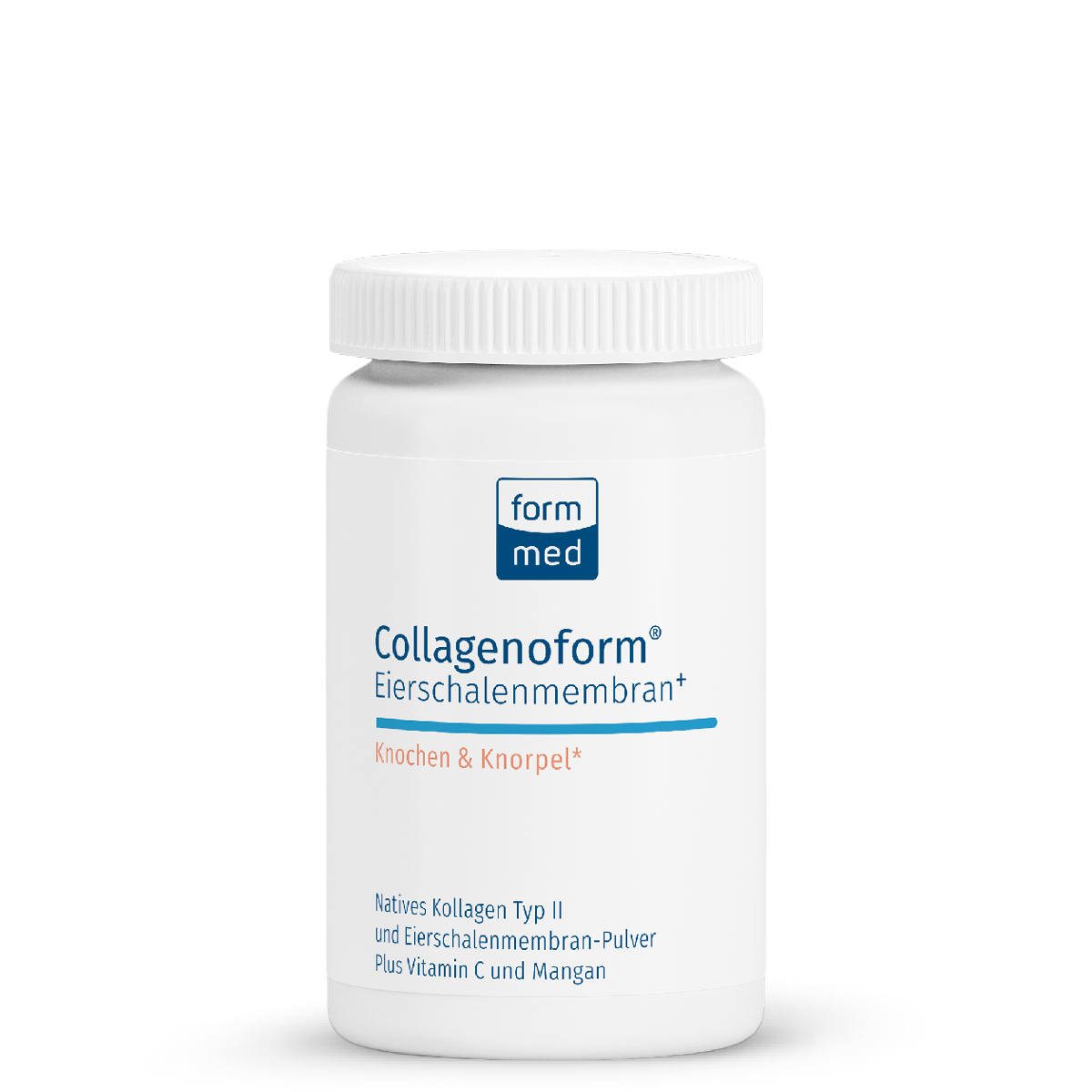
Ready for immediate dispatch - Delivery time approx. 1-3 days

375 mg purest Omega-3 fatty acids rich in EPA – particularly bioavailable from certified sustainable wild catch
Ready for immediate dispatch - Delivery time approx. 1-3 days
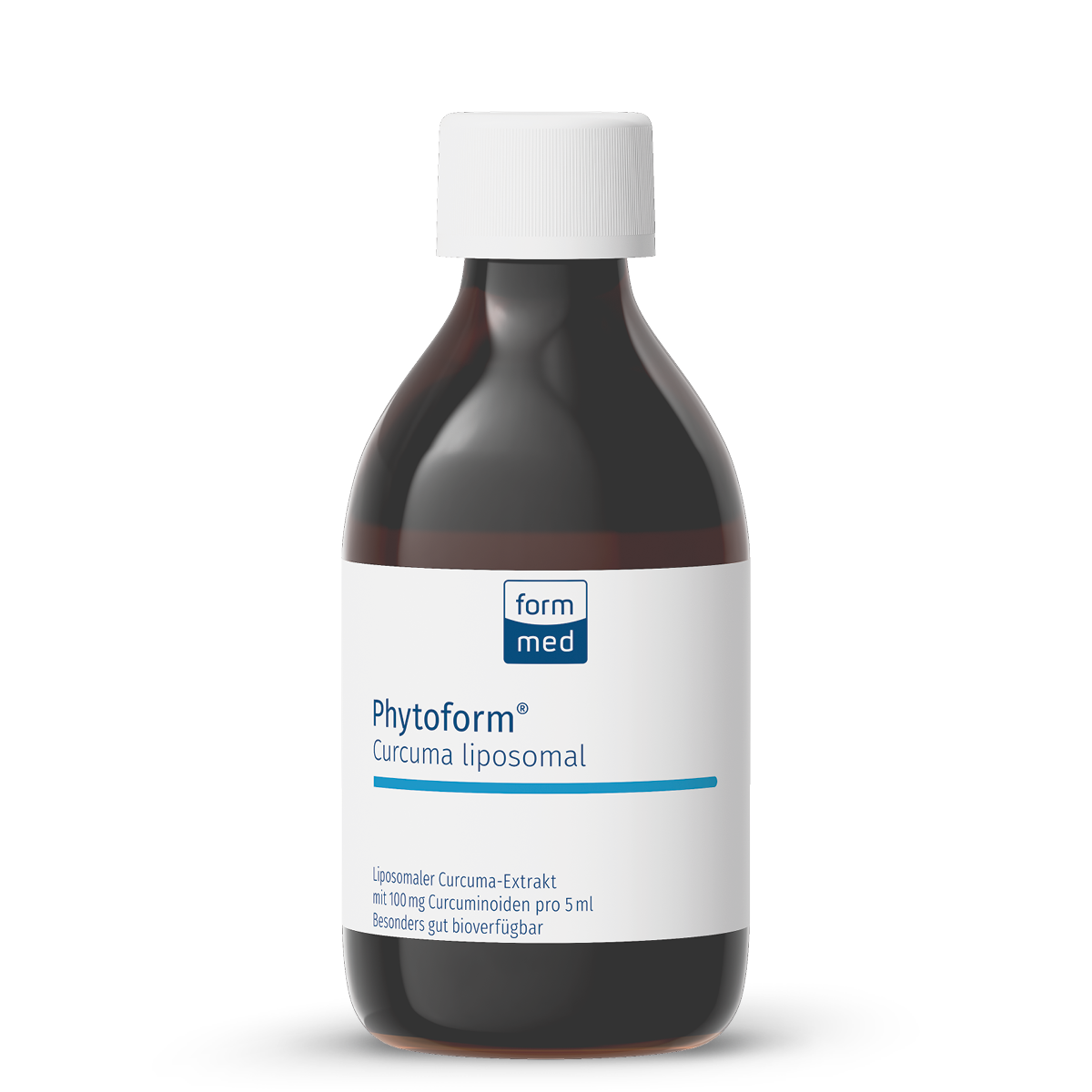
250 mg turmeric extract with GRAS status, highly bioavailable with 238 mg curcuminoids
Currently not available
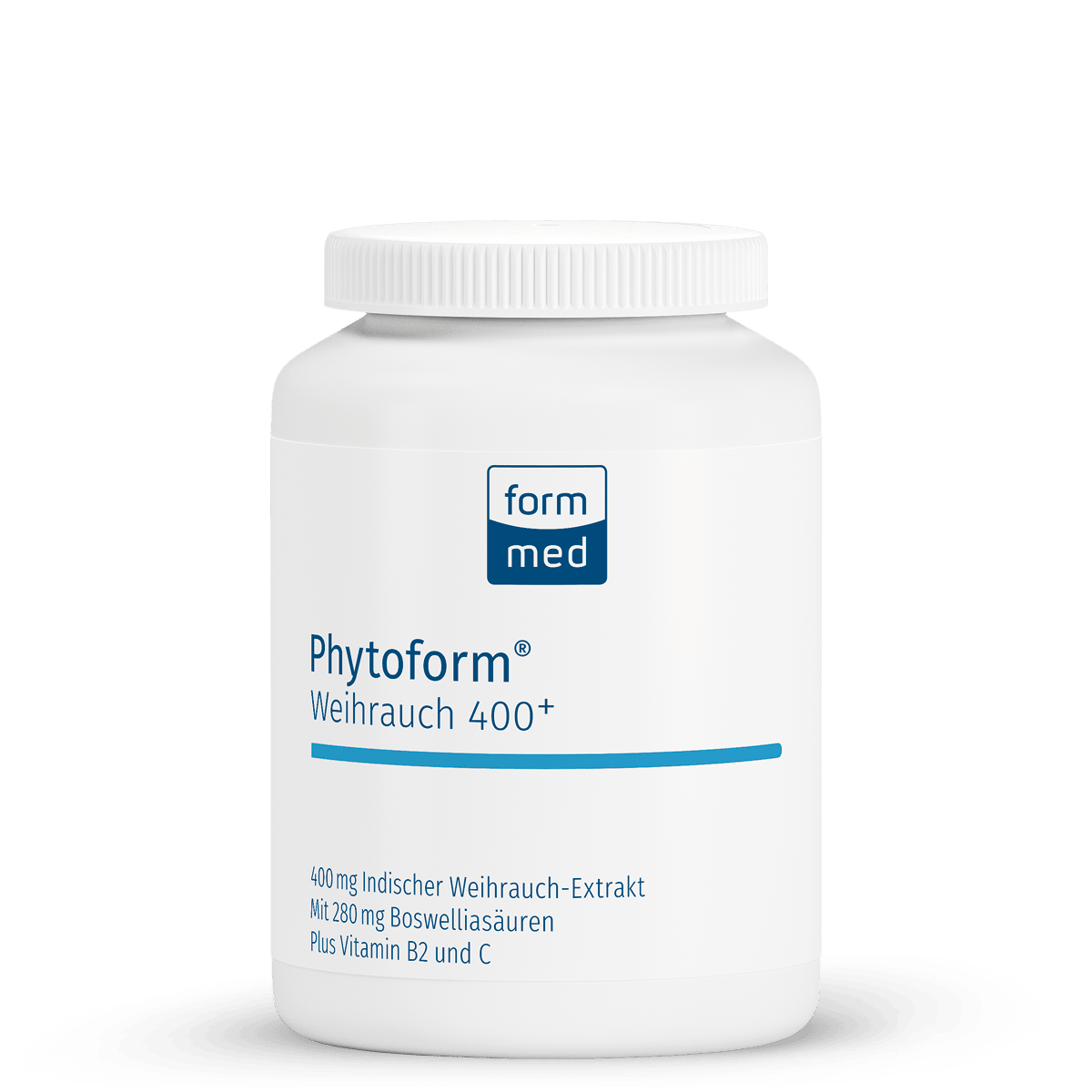
400 mg Indian frankincense extract
Ready for immediate dispatch - Delivery time approx. 1-3 days
Why Cold Weather Affects the Joints
Joint discomfort often worsens during the cold season — something many people experience firsthand. However, the exact scientific reasons have not yet been fully clarified. Experts suspect that metabolism within the joint may slow down at lower temperatures. As a result, synovial fluid becomes more viscous, which can reduce its protective effect on cartilage and promote friction-related pain.
In addition, muscles receive less blood flow in cold conditions and therefore tend to tense up. This effect is often intensified by reduced physical activity in cold, damp weather — an additional strain on joints and muscles.
Staying Well Through Winter With an Anti-Inflammatory Diet
To remain mobile during the colder months, dietary habits play an important role alongside soothing warmth and regular activity. An anti-inflammatory diet can help influence processes associated with joint discomfort — particularly inflammation and oxidative stress.
A micronutrient-rich diet with plenty of fruits and vegetables provides essential building blocks. Vitamins C, D, and E are especially important, as are selenium and sulfur. Fatty fish should also be included in the diet, as it contains valuable long-chain omega-3 fatty acids known for their anti-inflammatory properties.
In addition, it may be beneficial to supplement the diet with targeted cartilage-supporting nutrients. These include glucosamine, chondroitin, collagen, and hyaluronic acid.
Literature
Buck, A. N. et al. (2023): Evidence-Based Dietary Practices to Improve Osteoarthritis Symptoms: An Umbrella Review. Nutrients. 15(13):3050. https://pmc.ncbi.nlm.nih.gov/articles/PMC10347206/
Deng, W. et al. (2023): Effect of omega-3 polyunsaturated fatty acids supplementation for patients with osteoarthritis: a meta-analysis. J Orthop Surg Res. 18(1):381. https://pubmed.ncbi.nlm.nih.gov/37226250/
Rabade, A. et al. (2024): Evaluation of efficacy and safety of glucosamine sulfate, chondroitin sulfate, and their combination regimen in the management of knee osteoarthritis: a systematic review and meta-analysis. Inflammopharmacology. 32(3):1759-1775. https://pubmed.ncbi.nlm.nih.gov/38581640/
Simental-Mendía, M. et al. (2024): Effect of collagen supplementation on knee osteoarthritis: an updated systematic review and meta-analysis of randomized controlled trials. Clin Exp Rheumatol. https://pubmed.ncbi.nlm.nih.gov/39212129/
Toguchi, A. et al. (2023): Methylsulfonylmethane Improves Knee Quality of Life in Participants with Mild Knee Pain: A Randomized, Double-Blind, Placebo-Controlled Trial. 15(13):2995. https://pubmed.ncbi.nlm.nih.gov/37447322/
Wang, L. et al. (2023): Associations between weather conditions and osteoarthritis pain: a systematic review and meta-analysis. Ann Med. 55(1):2196439. https://pubmed.ncbi.nlm.nih.gov/37078741/
 10% discount on your next orderAlways free shippingPersonal discounts and offersExclusive content
 10% discount on your next orderAlways free shippingPersonal discounts and offersExclusive content