Men’s Health After 40: Targeted Support for the Prostate and Testosterone Levels
Men are often known for taking action only when problems can no longer be ignored. Difficulties urinating? Less energy, less muscle, more belly fat? Then it is time to take action.
This is because changes in the prostate and testosterone levels occur gradually. The prostate influences bladder function and fertility, while the male sex hormone testosterone regulates muscle mass, energy levels, mood and libido. Both are central aspects of men’s health – and both can be supported through a balanced diet and, additionally, through an adequate supply of micronutrients.
Taking action early is worthwhile. Here, you can learn what really matters and which measures can make a difference.
By the way: If you would like to receive regular updates about micronutrients and our supplements, we recommend our FormMed Select Benefits Programme. In addition to the FormMed News with up-to-date information, it offers many other valuable advantages. Of course, FormMed Select is completely free of charge and without obligation.
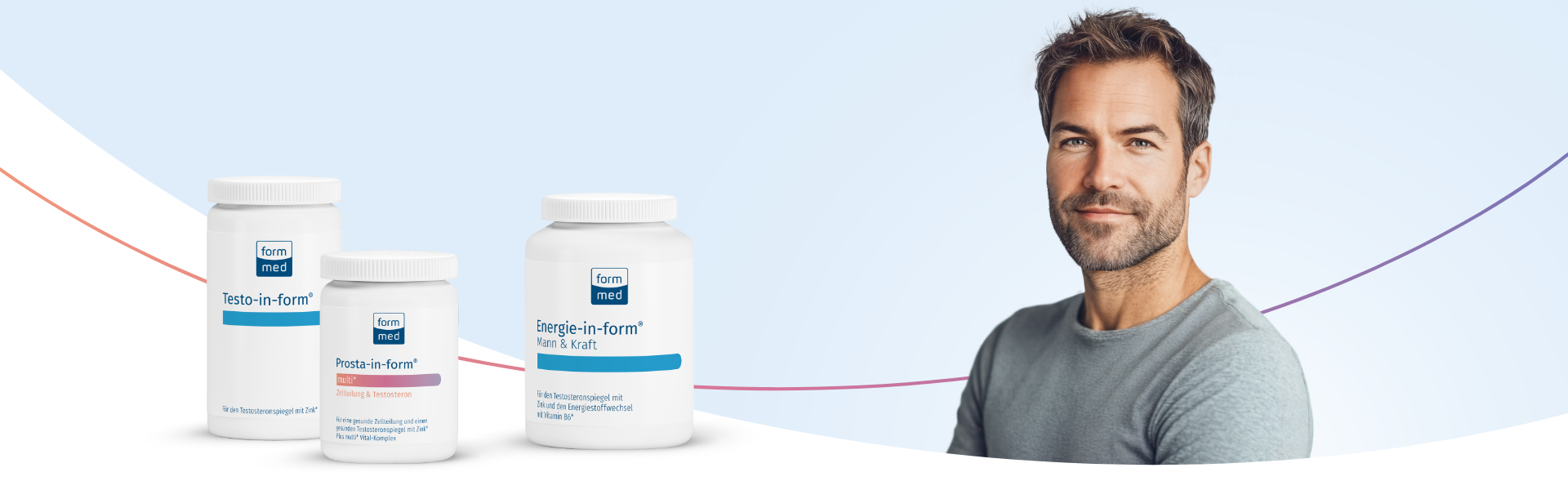
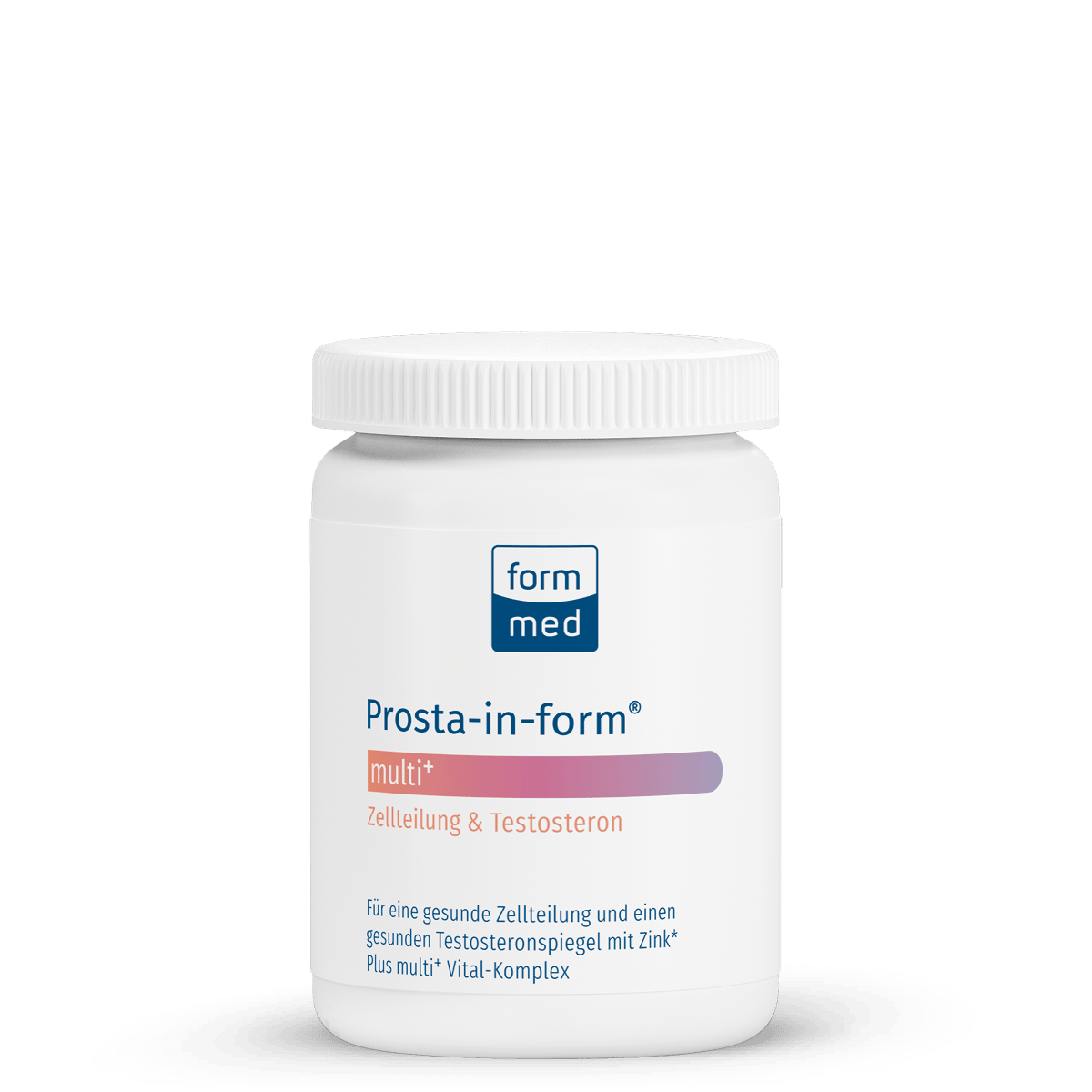
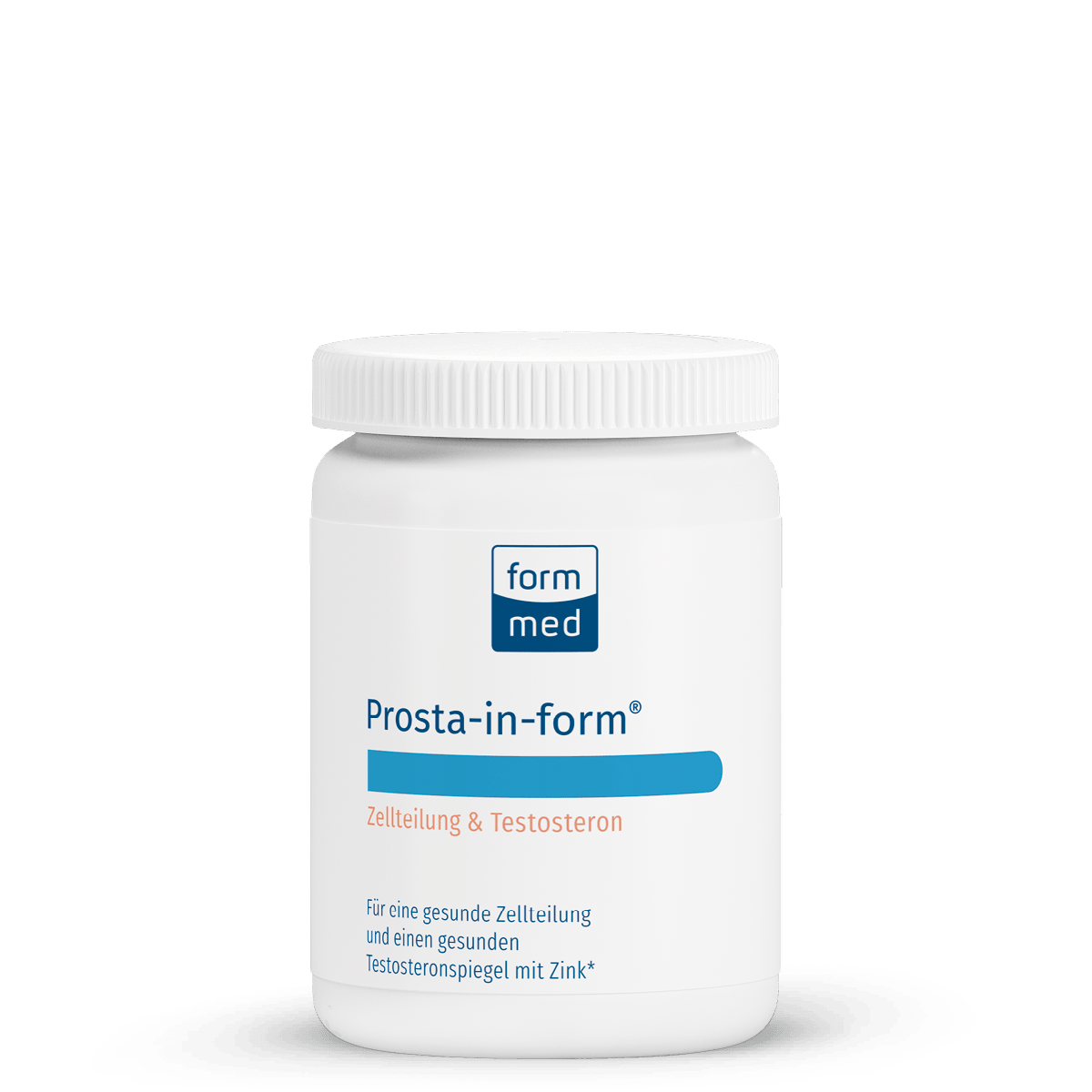
Always the Right FormMed Supplement
Ready for immediate dispatch - Delivery time approx. 1-3 days
Ready for immediate dispatch - Delivery time approx. 1-3 days
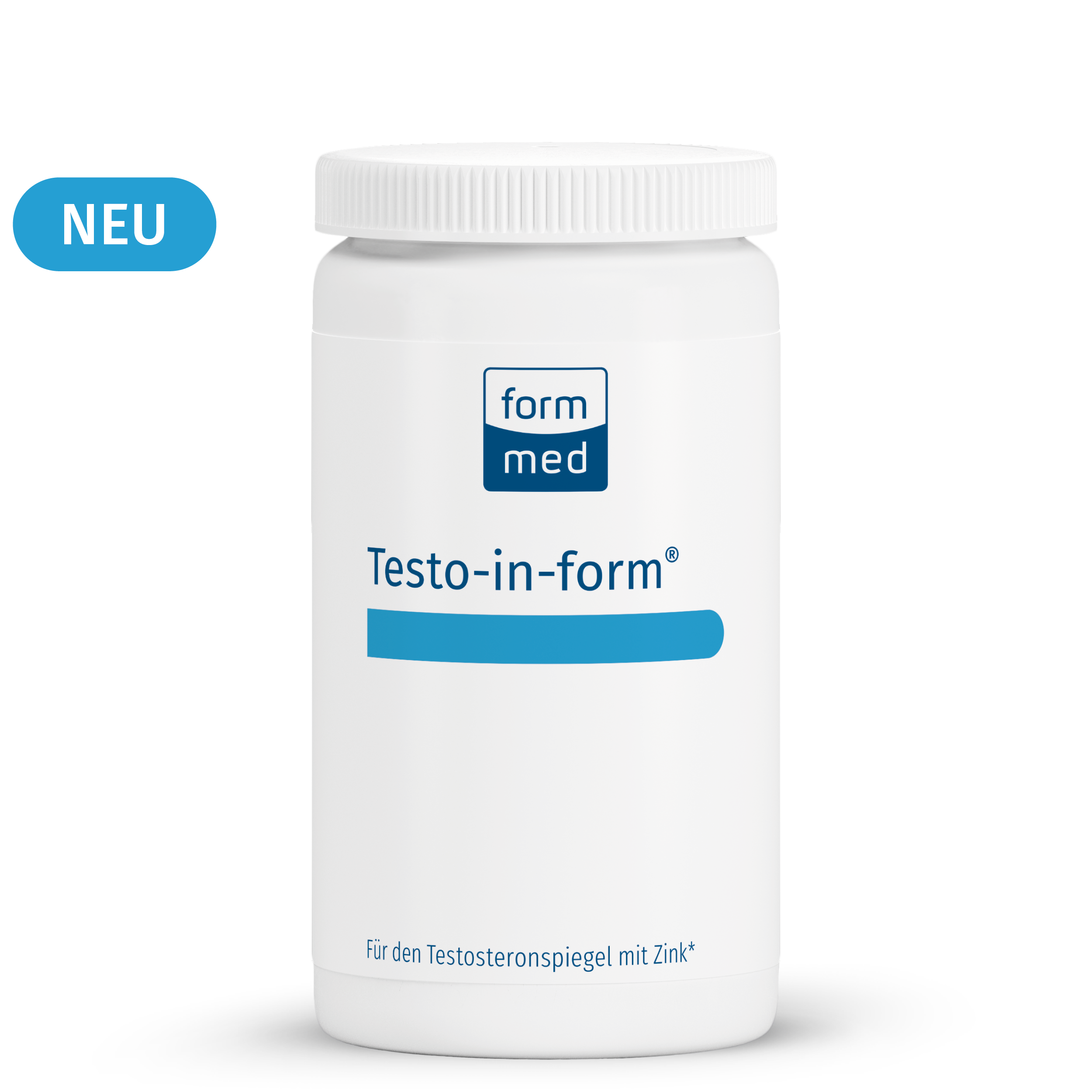
Ready for immediate dispatch - Delivery time approx. 1-3 days

Ready for immediate dispatch - Delivery time approx. 1-3 days
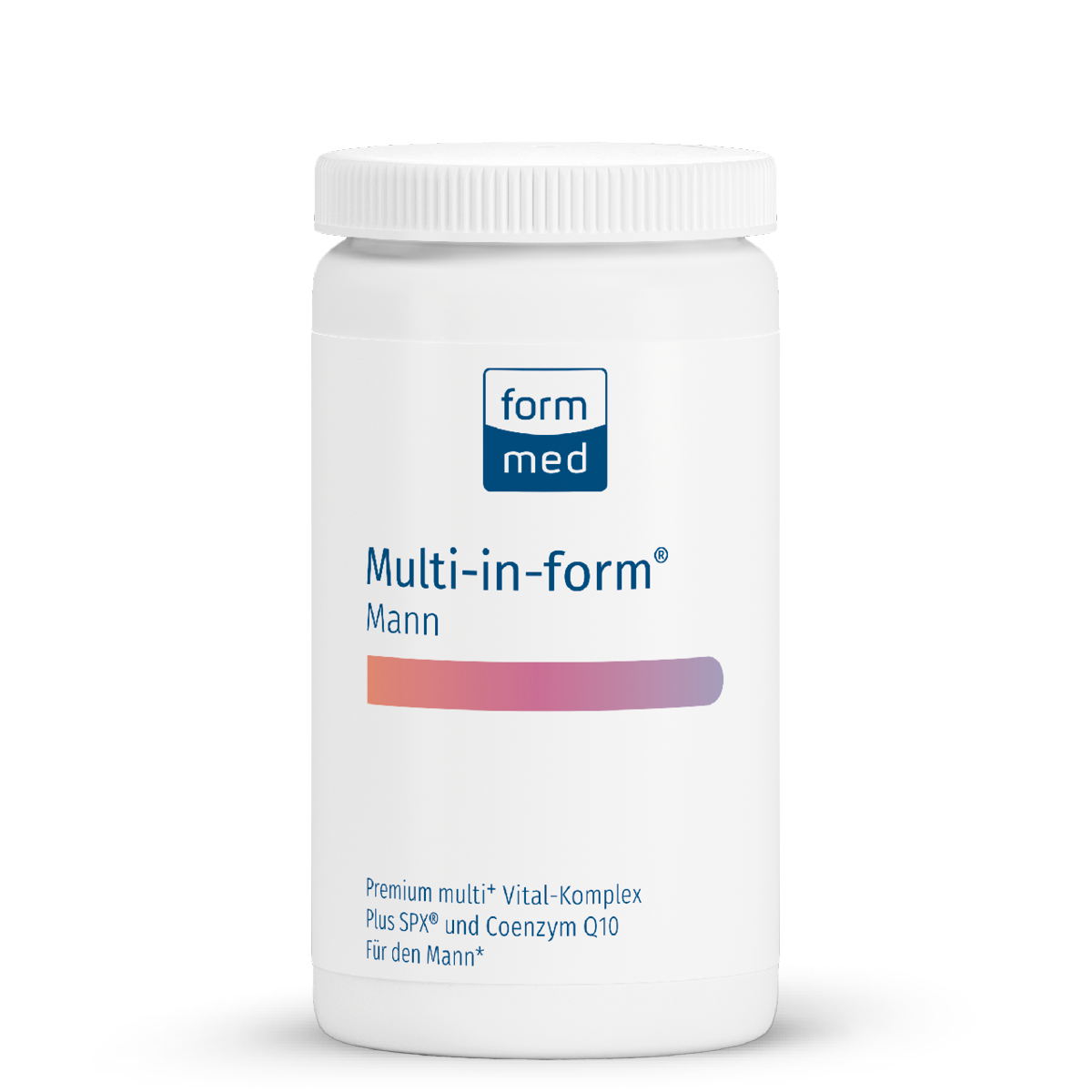
Ready for immediate dispatch - Delivery time approx. 1-3 days
Antioxidant Protection for the Prostate and Testes
Free radicals are constantly produced – as a natural by-product of metabolism, but also through stress, smoking and environmental influences. As long as the body's own defence system keeps them under control, this is not a problem. However, if free radicals become predominant, they can damage cells – including those in the prostate and testes.
Certain nutrients help to maintain this balance:
- Selenium and vitamin E contribute to the protection of cells from oxidative stress.
- Lycopene, the red plant pigment found in tomatoes, as well as compounds from green tea and turmeric, are being extensively studied for their antioxidant properties.
- Coenzyme Q10 occurs naturally in every cell and is important for energy production.
Zinc and Magnesium: Two Essential Minerals
Zinc and magnesium play a particularly important role in the male body for the following reasons:
- Zinc is involved in the body's natural production of testosterone. Studies show that zinc deficiency is often associated with lower testosterone levels.
- Magnesium is important for energy metabolism and healthy muscle function. In addition, researchers are investigating whether magnesium may increase the availability of free testosterone in the bloodstream.
Botanical Support: Current State of Research
In addition to vitamins and minerals, plant extracts are increasingly attracting scientific interest. Researchers are investigating whether and how they may influence hormone balance and prostate health. Key areas of research include:
- Ashwagandha and fenugreek and their effects on male hormone balance.
- Saw palmetto and stinging nettle extracts and their effects on the prostate and urinary tract.
Literature
Cinar, V. et al. (2011): Effects of magnesium supplementation on testosterone levels of athletes and sedentary subjects at rest and after exhaustion. Biol Trace Elem Res. 140(1):18–23. https://pubmed.ncbi.nlm.nih.gov/20352370/
Fornalik, M. et al. (2026): Hormonal Modulation with Withania somnifera: Systematic Review and Meta-Analysis of Randomized-controlled Trials. Planta Med. https://pubmed.ncbi.nlm.nih.gov/41740946/
Marín de Jesús, S. et al. (2024): Zinc and Its Impact on the Function of the Testicle and Epididymis. Int J Mol Sci. 25(16):8991. https://pubmed.ncbi.nlm.nih.gov/39201677/
Minutoli, L. et al. (2013): Serenoa Repens, lycopene and selenium: a triple therapeutic approach to manage benign prostatic hyperplasia. Curr Med Chem. 20(10):1306–1312. https://pubmed.ncbi.nlm.nih.gov/23432584/
Safarinejad, M. R. (2005): Urtica dioica for treatment of benign prostatic hyperplasia: a prospective, randomized, double-blind, placebo-controlled, crossover study. J Herb Pharmacother. 5(4):1–11. https://pubmed.ncbi.nlm.nih.gov/16635963/
Te, L., et al. (2023): Correlation between serum zinc and testosterone: A systematic review. J Trace Elem Med Biol. 76:127124. https://pubmed.ncbi.nlm.nih.gov/36577241/
Rao, A. et al. (2016): Testofen, a specialised Trigonella foenum-graecum seed extract reduces age-related symptoms of androgen decrease, increases testosterone levels and improves sexual function in healthy ageing males in a double-blind randomised clinical study. Aging Male. 19(2):134–142. https://pubmed.ncbi.nlm.nih.gov/26791805/
Wankhede, S. et al. (2015): Examining the effect of Withania somnifera supplementation on muscle strength and recovery: a randomized controlled trial. J Int Soc Sports Nutr. 12:43. https://pubmed.ncbi.nlm.nih.gov/26609282/
 10 % Rabatt auf Ihre nächste BestellungImmer gratis VersandPersönliche Vergünstigungen und AngeboteExklusive Inhalte
 10 % Rabatt auf Ihre nächste BestellungImmer gratis VersandPersönliche Vergünstigungen und AngeboteExklusive Inhalte